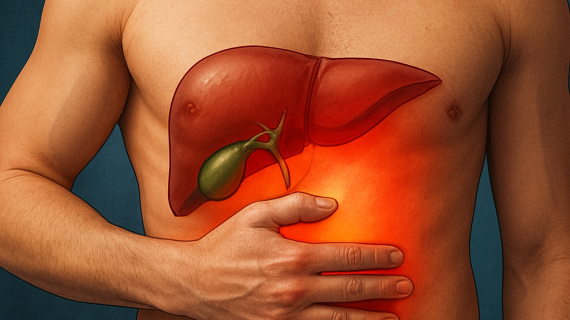
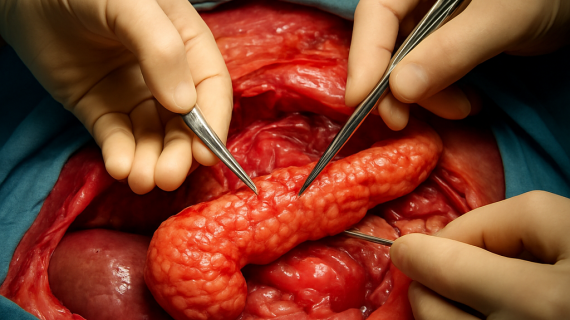
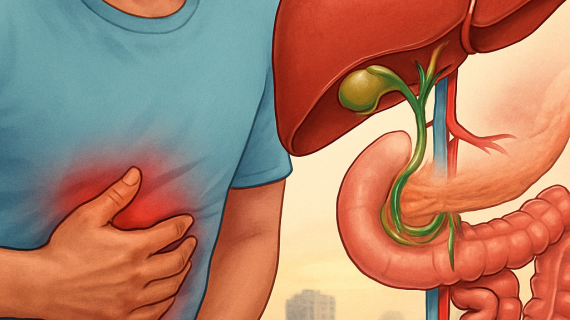
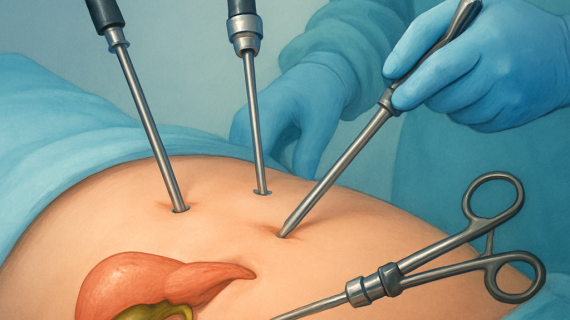
If you or a family member in Dhaka has been diagnosed with gallstones, hepatitis, biliary obstruction, or a liver mass, the treatment choices can feel overwhelming. This practical guide lists the most common liver medicine by name, explains what each drug treats, outlines typical side effects and monitoring tests, and gives clear clinical examples of when medical therapy is appropriate and when referral for surgery is needed. You will also find the diagnostic steps, urgent red flags that require prompt surgical evaluation, and what to expect when arranging care at Popular Medical College Hospital.
1. Conditions Commonly Treated With Medicines and When Medical Therapy Is First Line
Key point: Several liver and biliary conditions are managed primarily with drugs rather than surgery because the goal is viral control, immune suppression, or reversing cholestasis rather than removing tissue. For patients in Dhaka this usually means chronic hepatitis B or C, primary biliary cholangitis, autoimmune hepatitis, and selected uncomplicated gallstone disease are treated first with medicines while urgent infections or obstructive complications prompt procedural drainage or surgical referral.
Conditions where medicine is the default first step
- Chronic hepatitis C treated with direct acting antivirals such as sofosbuvir combinations aimed at viral cure and normalization of liver tests
- Chronic hepatitis B managed with nucleos(t)ide analogs like tenofovir or entecavir to suppress replication and slow fibrosis progression
- Primary biliary cholangitis (PBC) where ursodeoxycholic acid is first line to improve bile flow and delay progression
- Autoimmune hepatitis controlled initially with corticosteroids often plus azathioprine to induce and maintain remission
- Acute cholangitis or liver abscess where antibiotics start immediately but the plan usually includes ERCP or percutaneous drainage for source control
- Small, asymptomatic cholesterol gallstones in patients unfit for surgery where ursodeoxycholic acid may be attempted with clear limits
Trade off to understand: Medical therapy can prevent progression or cure infection, but it rarely replaces a surgical cure when structural problems exist. For example ursodeoxycholic acid can dissolve small cholesterol stones in highly selected patients, but recurrence is common and it does not address obstructive anatomy. Delaying surgery to pursue medical dissolution can lead to repeated attacks, hospital admissions, and higher overall cost.
Practical limitation: Immunosuppressive regimens control autoimmune liver disease in most patients but increase infection risk and require long term lab monitoring. In Dhaka this also means balancing drug availability and affordability; discuss costs and monitoring frequency up front rather than assuming indefinite treatment will be simple.
Concrete example: A 52 year old patient from Dhanmondi with chronic hepatitis C started a sofosbuvir based regimen and completed therapy without hospitalization. Repeat testing three months after treatment showed undetectable viral RNA and symptoms resolved. The patient still receives annual liver ultrasound because prior fibrosis increases long term risk.
Judgment from practice: Many patients believe medicine will avoid surgery in the long term. That is true for viral hepatitis but false for many mechanical problems. If imaging shows persistent obstruction, recurrent biliary colic with complications, or a growing mass, early surgical evaluation with a hepatobiliary surgeon such as Dr Murshidul Arefin produces better outcomes than prolonged medical management alone.