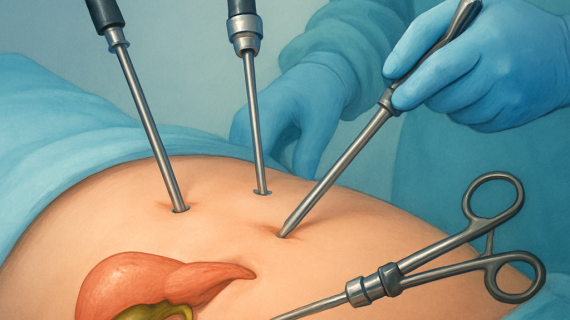
If persistent right upper abdominal pain, jaundice, or abnormal liver tests have left you unsure where to go, a liver and gallbladder doctor provides focused evaluation and care. This guide explains when to seek specialist assessment in Dhaka, which tests and imaging to expect, and the typical medical and surgical pathways available at Popular Medical College Hospital with Dr Murshidul Arefin. Read on for clear red flags, a step-by-step diagnostic roadmap, and practical next steps for booking a consultation.
When to See a Liver and Gallbladder Doctor in Dhaka
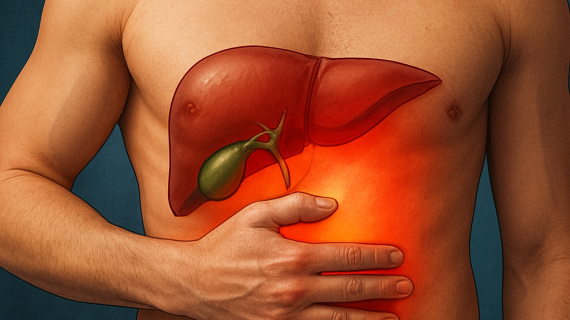
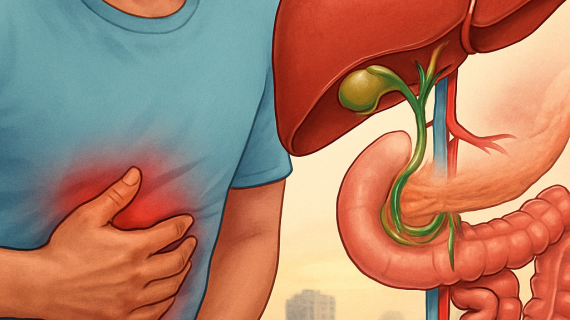
Straight answer: see a qualified liver and gallbladder doctor when symptoms or tests suggest ongoing bile duct obstruction, active liver injury, or repeated biliary pain that affects daily life. A focused specialist visit shortens the path from diagnosis to definitive treatment and reduces the chance of emergency complications that drive worse outcomes.
Urgent signs that need immediate evaluation
- Go to emergency or call your doctor immediately: high fever with chills and right upper abdominal tenderness, sudden worsening jaundice or dark urine with light stools, persistent severe vomiting, fainting or low blood pressure.
- Prompt specialist review required: rapidly rising bilirubin, confusion or suspected sepsis, or evidence of acute cholangitis on blood tests – these commonly need urgent imaging and therapeutic intervention such as ERCP.
Reasonable reasons for a scheduled outpatient referral
- Recurrent biliary colic that limits work or sleep despite conservative measures.
- Abnormal liver blood tests of unknown cause persisting after initial primary care workup.
- Ultrasound showing gallstones, polyps, or a solitary liver lesion where further imaging or multidisciplinary assessment is needed.
- Unexplained weight loss or persistent upper abdominal pain that does not fit a functional diagnosis.
Practical trade-off: urgent referral can avert emergency surgery but leads to more rapid use of advanced imaging such as MRCP or ERCP. In Dhaka MRCP scheduling and ERCP slots are limited; a judged outpatient referral is usually better for stable patients because it allows preoperative optimization and multidisciplinary planning, while unstable patients go straight to the emergency pathway.
Common misjudgment: many patients wait for weeks with intermittent pain because they expect symptoms to resolve. In practice, repeated biliary colic is the leading trigger for elective cholecystectomy and prevents emergency complications like gangrene or biliary sepsis. Early specialist input also reduces unnecessary repeat visits and duplicated imaging.
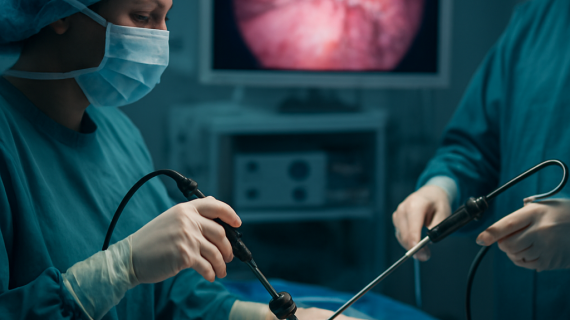
Concrete example: a 38-year-old office worker in Dhanmondi had three episodes of severe post-meal right upper abdominal pain over two months. Ultrasound showed gallstones but normal liver tests; a planned elective consultation with a hepatobiliary surgeon led to a same-month laparoscopic cholecystectomy at Popular Medical College Hospital and uncomplicated recovery with return to work within one week.
If you have high fever plus jaundice or worsening pain, do not wait for an outpatient appointment—seek emergency assessment immediately.
Next consideration: choose urgent care for signs of systemic illness or biliary sepsis; otherwise secure a specialist outpatient appointment so imaging and definitive planning occur under an HPB team rather than in a rushed emergency setting.
Frequently Asked Questions
Direct answers, no fluff: below are the practical questions patients in Dhaka ask most when deciding whether to see a liver and gallbladder doctor and what to expect from that visit.
Who should I see first: a hepatologist or a hepatobiliary surgeon?
Short answer: see the specialist who matches the problem. Hepatologists treat medical liver disease (hepatitis, cirrhosis, metabolic liver disease). Hepatobiliary surgeons handle symptomatic gallstones, bile duct obstruction, and surgical liver or pancreatic lesions. Many patients need both — the practical approach is a single coordinated visit where the team decides whether medical management, endoscopy, or surgery comes first.
What tests will the specialist order and why?
What matters most: targeted tests selected to answer one question at a time. Ultrasound clarifies gallstones or obvious liver masses; MRCP maps the bile ducts noninvasively; contrast CT or MRI stages suspected tumours. ERCP is primarily a therapeutic tool in modern practice, used when there is a clear obstructive lesion to treat. For guideline context see AASLD.
Can gallstones ever be treated without surgery?
Reality check: non-surgical options are limited. Oral dissolution or shockwave lithotripsy works in very selected cases and is rarely practical. If stones cause symptoms, repeated attacks, or complications, laparoscopic removal of the gallbladder is the definitive and usually safest solution.
If I have ERCP to clear a blocked duct, when is surgery needed?
Typical timing and trade-off: after ERCP for stone extraction or stenting, elective cholecystectomy is often scheduled within weeks rather than months. Early surgery reduces recurrence but may be technically harder if inflammation is severe. The team balances the risk of recurrent obstruction against operating in a hostile, inflamed field.
How do specialists decide whether a liver lesion needs biopsy?
Judgment that matters: biopsy is not always the first step. Certain imaging patterns on multiphase CT or MRI are diagnostic for hepatocellular carcinoma and allow treatment planning without needle biopsy because biopsy risks tumor seeding and bleeding. When imaging is indeterminate, a biopsy may be required — but expect that decision to come from a multidisciplinary review.
Concrete example: a 67-year-old patient presented with progressive jaundice and weight loss. ERCP was performed urgently to relieve obstruction and place a temporary stent; within 48 hours he had a contrast CT for staging and a multidisciplinary meeting. After optimisation and nutritional support he underwent curative surgery four weeks later with coordinated follow-up — a timeline that reduced emergency complications and allowed planned postoperative care.
Ask this at your visit: will my case be discussed at a multidisciplinary tumour board and who coordinates follow-up?
Practical next steps: gather your latest imaging on a USB, list current medicines and comorbidities, and book a focused consultation so the team can plan targeted testing rather than repeating studies. To arrange an appointment with Dr Murshidul Arefin at Popular Medical College Hospital use appointments or contact.