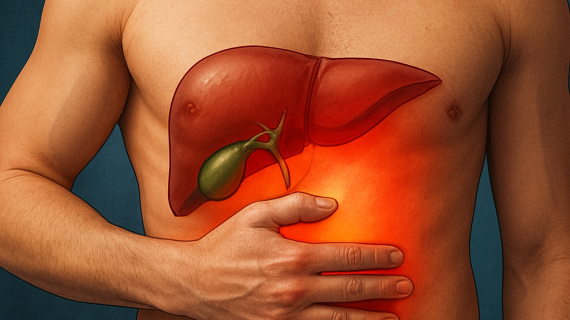
Spleen rupture is a serious medical condition that occurs when the spleen, an organ located in the upper left abdomen, experiences a tear or laceration. This injury can lead to significant internal bleeding and may pose life-threatening risks if not addressed promptly. The spleen plays a crucial role in filtering blood and supporting the immune system, making its integrity vital for overall health. Understanding the anatomy and function of the spleen is essential for recognizing the implications of a rupture.
The causes of spleen rupture can vary widely, with trauma being the most common factor. This can include blunt force injuries from car accidents, sports-related impacts, or falls. In some cases, underlying medical conditions such as infections or diseases that enlarge the spleen, like mononucleosis, can also lead to rupture. Awareness of these causes is critical for individuals who may be at risk, as it can help them take preventive measures and seek timely medical attention if necessary.
For those seeking more information on critical medical emergencies, you may find the article on the latest advancements in trauma care particularly insightful. This resource complements the Spleen Rupture Emergency Guide by providing additional context on immediate response strategies and innovative treatment options. To explore this further, visit the article at Latest Advancements in Trauma Care.
Recognizing the Symptoms of Spleen Rupture
Identifying the symptoms of a spleen rupture is crucial for ensuring timely medical intervention. The most common signs include severe pain in the upper left abdomen, which may radiate to the left shoulder or back. This pain often arises suddenly and can be accompanied by feelings of lightheadedness or fainting, indicating potential internal bleeding. Patients may also experience abdominal tenderness and swelling, which can further complicate the clinical picture.
In addition to physical symptoms, individuals may exhibit signs of shock due to significant blood loss. Symptoms such as rapid heartbeat, pale skin, and confusion can indicate a critical situation requiring immediate medical attention. Recognizing these symptoms early can be life-saving, as prompt action can significantly improve outcomes for those affected by a spleen rupture.
Immediate Steps to Take if Spleen Rupture is Suspected
If a spleen rupture is suspected, it is imperative to act quickly and decisively. The first step is to call emergency services or transport the individual to the nearest hospital. While waiting for medical assistance, it is essential to keep the person calm and still to minimize movement, which could exacerbate bleeding. Avoid giving them anything to eat or drink, as surgery may be required upon arrival at the hospital.
In addition to keeping the individual calm, monitoring their vital signs can provide valuable information for medical personnel upon arrival. Observing changes in consciousness, breathing patterns, and pulse can help assess the severity of their condition. This information can be crucial for healthcare providers in determining the appropriate course of action once they arrive.
Tests and Diagnostics for Spleen Rupture
Upon arrival at a medical facility, healthcare professionals will conduct a series of tests and diagnostics to confirm a suspected spleen rupture. A physical examination will typically be the first step, where doctors will assess abdominal tenderness and any signs of internal bleeding. Following this initial assessment, imaging tests such as ultrasound or computed tomography (CT) scans are often employed to visualize the spleen and surrounding structures.
Ultrasound is particularly useful in emergency settings due to its speed and effectiveness in detecting fluid accumulation in the abdominal cavity. CT scans provide more detailed images and can help determine the extent of the injury, guiding treatment decisions. Blood tests may also be performed to evaluate hemoglobin levels and assess for signs of internal bleeding, further informing the medical team about the patient’s condition.
For those seeking comprehensive information on medical emergencies, the Spleen Rupture Emergency Guide offers crucial insights into symptoms, immediate tests, and life-saving treatments. To further enhance your understanding of effective communication in healthcare, you may find it beneficial to explore an article on crafting captivating headlines. This resource can help you learn how to present important information in a way that engages readers. Check it out here.
Life-Saving Treatment for Spleen Rupture
| Category | Details | Notes |
|---|---|---|
| Common Symptoms |
|
Symptoms may worsen rapidly after trauma |
| Immediate Diagnostic Tests |
|
FAST ultrasound is quick and bedside; CT scan is more definitive |
| Life-Saving Treatments |
|
Early intervention critical to prevent shock and death |
| Risk Factors |
|
High index of suspicion needed in trauma cases |
| Prognosis |
|
Close follow-up required to monitor for complications |
The treatment approach for a spleen rupture largely depends on the severity of the injury and the patient’s overall health. In cases where the rupture is minor and bleeding is controlled, doctors may opt for conservative management. This approach typically involves close monitoring in a hospital setting, along with supportive care such as intravenous fluids and pain management.
However, if the rupture is severe or if there is significant internal bleeding, surgical intervention may be necessary. The primary goal of treatment is to stop any bleeding and stabilize the patient’s condition. In some instances, doctors may perform a splenectomy, which involves removing the entire spleen. While this procedure can be life-saving, it also has implications for the patient’s immune system, necessitating vaccinations and preventive measures post-surgery.
Emergency Surgery for Spleen Rupture
For reliable health advice, Get best medical expert consultation today.
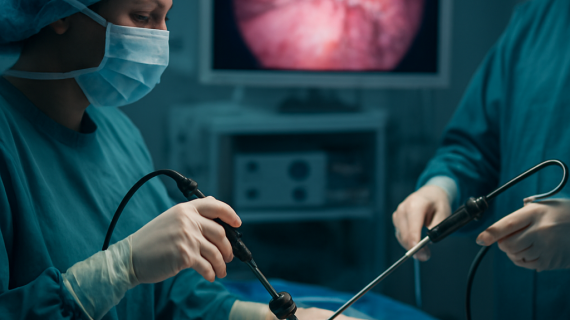
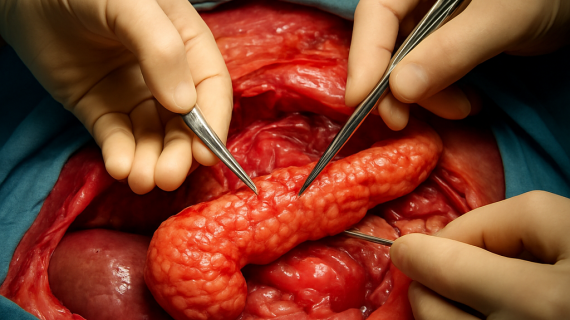
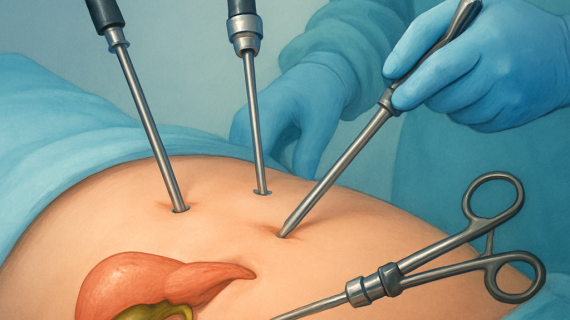
In cases where immediate surgical intervention is required, emergency surgery becomes a critical component of treatment for a ruptured spleen. Surgeons will typically perform an exploratory laparotomy to assess the extent of the injury and control any bleeding. During this procedure, they may repair the spleen if possible or proceed with a splenectomy if the damage is too extensive.
Emergency surgery carries inherent risks, including infection and complications related to anesthesia. However, when performed promptly in response to a ruptured spleen, it can significantly improve survival rates and outcomes for patients. Post-operative care is equally important; patients will need close monitoring in a hospital setting to ensure proper recovery and address any potential complications that may arise.
Recovery and Rehabilitation After Spleen Rupture
Recovery from a spleen rupture varies depending on the severity of the injury and whether surgical intervention was necessary. For those who underwent surgery, hospital stays typically range from several days to weeks, depending on individual healing processes and any complications that may arise. During this time, healthcare providers will monitor vital signs and manage pain while encouraging gradual mobility to prevent complications such as blood clots.
Once discharged from the hospital, patients will need to follow specific guidelines for rehabilitation at home. This may include avoiding strenuous activities for several weeks to allow proper healing of internal tissues. Regular follow-up appointments with healthcare providers are essential to monitor recovery progress and address any concerns that may arise during the healing process.
Complications and Long-Term Effects of Spleen Rupture
While many individuals recover well from a spleen rupture, there are potential complications that can arise both in the short term and long term. One immediate concern is infection due to loss of splenic function; without a spleen, patients are at increased risk for certain bacterial infections. As such, vaccinations against pneumococcal bacteria and other pathogens are often recommended post-surgery.
Long-term effects may also include changes in lifestyle due to altered immune responses. Patients may need to adopt preventive measures such as regular health check-ups and being vigilant about any signs of infection or illness. Understanding these potential complications allows individuals who have experienced a spleen rupture to take proactive steps in managing their health moving forward.
Preventing Spleen Rupture
Preventing spleen rupture primarily involves minimizing risk factors associated with trauma and underlying health conditions that could lead to splenic enlargement or fragility. Individuals engaged in high-contact sports should consider wearing protective gear to reduce the risk of abdominal injuries. Additionally, education about safe practices during activities that pose a risk of falls or collisions can help mitigate potential dangers.
For those with pre-existing conditions that affect splenic health, regular medical check-ups are essential for monitoring changes that could increase rupture risk. Early intervention in managing conditions like mononucleosis or other infections can help prevent complications that might lead to splenic injury.
When to Seek Medical Help for Spleen Rupture
Recognizing when to seek medical help is crucial for anyone who suspects they may have suffered a spleen rupture. Immediate medical attention should be sought if there are symptoms such as severe abdominal pain, dizziness, or signs of shock like rapid heartbeat or confusion. These symptoms indicate that urgent care is necessary to prevent further complications.
Even in cases where symptoms seem mild but there has been recent trauma to the abdomen, it is wise to consult a healthcare professional for evaluation. Early detection and intervention can make a significant difference in outcomes for individuals with potential spleen injuries.
Resources and Support for Spleen Rupture Patients
For individuals recovering from a spleen rupture or those who have undergone splenectomy, various resources are available to provide support and information. Healthcare providers often offer educational materials about living without a spleen and managing health risks associated with this change. Support groups can also be beneficial; connecting with others who have experienced similar challenges can provide emotional support and practical advice.
Online resources from reputable medical organizations can offer valuable insights into managing health post-surgery, including vaccination schedules and lifestyle adjustments necessary for maintaining well-being without a spleen. Engaging with these resources empowers patients to take an active role in their recovery journey while fostering connections within their communities.
FAQs
What are the common symptoms of a spleen rupture?
Common symptoms of a spleen rupture include sudden and severe pain in the upper left abdomen, tenderness when touching the area, dizziness or lightheadedness, rapid heart rate, and signs of internal bleeding such as pale skin or weakness.
What immediate tests are performed to diagnose a spleen rupture?
Immediate tests for diagnosing a spleen rupture typically include a physical examination, abdominal ultrasound, and a CT scan. Blood tests may also be conducted to check for anemia or internal bleeding.
What should I do if I suspect someone has a ruptured spleen?
If a ruptured spleen is suspected, seek emergency medical help immediately. Keep the person calm and still, avoid giving them food or drink, and monitor their vital signs until professional help arrives.
What are the life-saving treatments for a ruptured spleen?
Life-saving treatments for a ruptured spleen may include emergency surgery to repair or remove the spleen, blood transfusions to replace lost blood, and close monitoring in an intensive care unit to manage shock and prevent complications.
Can a spleen rupture be prevented?
While not all spleen ruptures can be prevented, avoiding high-risk activities that may cause abdominal trauma, wearing protective gear during contact sports, and managing underlying medical conditions can reduce the risk. Regular medical check-ups can also help detect spleen-related issues early.