When to See a Hepatology Doctor: Signs You Need Expert Liver Care
When it comes to your liver health, knowing when to consult a hepatology doctor can make all the difference. Many people overlook subtle signs that indicate a need for expert care, from persistent abdominal pain to unexplained weight loss. In this post, we'll explore the key symptoms that suggest it's time to see a liver specialist, ensuring you understand when to seek help from a dedicated hepatologist. Your liver is vital to your overall well-being, and recognizing these signals early can lead to better outcomes and advanced treatment options.
1. Persistent Abdominal Pain
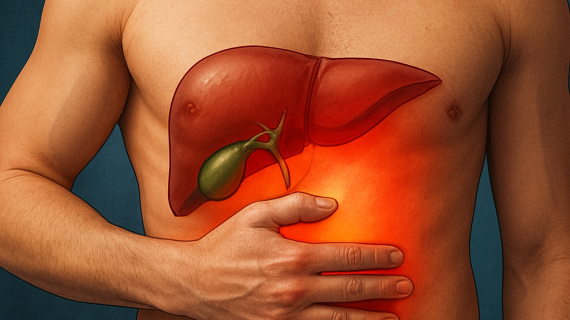
Persistent abdominal pain is a significant warning sign that shouldn't be ignored. This type of pain often indicates underlying issues with the liver or gallbladder, such as inflammation, infection, or tumors. It's crucial to assess not just the intensity of the pain but also its location and characteristics—whether it's sharp, dull, or cramping can provide essential clues.
Description of Pain Location and Characteristics
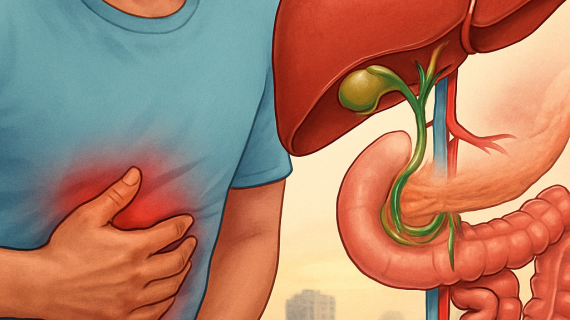
Pain from liver issues is often felt in the upper right quadrant of the abdomen. Patients may describe it as a dull ache that can radiate to the back or shoulder. Additionally, if you experience sudden, severe pain that comes on quickly, this could indicate gallstones blocking a bile duct, which necessitates immediate medical attention.
Conditions Related to Abdominal Pain
Conditions such as gallstones or liver tumors frequently present with persistent abdominal pain. Gallstones can cause intermittent pain and may lead to more severe complications if they obstruct bile flow. Liver tumors might not only cause discomfort but also indicate advanced liver disease.
If you're experiencing persistent abdominal pain, consulting a hepatology doctor is essential for proper diagnosis and treatment.
A common misconception is that mild abdominal discomfort isn't serious enough to warrant a visit to a specialist. In practice, even minor symptoms can signal significant health issues when considered alongside other factors like family history or lifestyle choices. For instance, a patient with intermittent upper abdominal pain who also has a history of alcohol use might find that these symptoms indicate something more serious than they initially thought.
2. Unexplained Weight Loss
Unexplained weight loss can be a significant indicator of liver problems. If you're losing weight without trying, it might point to underlying issues such as liver disease or malignancies affecting the liver. This symptom is often overlooked, but it can signal serious health concerns that warrant immediate attention.
Potential Causes Related to Liver Disease
Several conditions linked to the liver can result in unexplained weight loss. For example, chronic liver diseases like cirrhosis or hepatitis may disrupt metabolic processes, leading to nutritional deficiencies and weight decline. Additionally, hepatocellular carcinoma—liver cancer—often presents with significant weight loss due to the body’s increased metabolic demands as it fights the disease.
Another factor is nonalcoholic fatty liver disease (NAFLD), which can lead to inflammation and scarring over time, ultimately resulting in unintended weight loss. Patients may not even realize they have NAFLD until they notice changes in their weight.
Importance of Consulting a Hepatology Doctor for Diagnosis
Seeing a hepatology doctor is crucial when experiencing unexplained weight loss. A specialist can perform targeted assessments, including imaging studies and blood tests, to determine the cause of your symptoms. They possess the expertise necessary to differentiate between various liver disorders and establish a precise diagnosis.
For instance, a patient presenting with significant weight loss alongside fatigue and abdominal discomfort might undergo an ultrasound followed by more advanced imaging like an MRI or CT scan. These steps are necessary to rule out conditions such as tumors or advanced fibrosis.
Ignoring unexplained weight loss could delay essential treatment for serious conditions.
- Monitor your weight regularly and note any unintentional changes.
- Seek medical advice if you experience other symptoms like fatigue or jaundice.
3. Jaundice Symptoms
Jaundice is a significant indicator of liver dysfunction, characterized by the yellowing of the skin and eyes. This discoloration occurs when there is an excess of bilirubin in the bloodstream, which can result from various liver conditions. Recognizing jaundice early is crucial, as it often points to underlying issues that require expert evaluation from a hepatology doctor.
Signs of Jaundice Including Yellowing of Skin and Eyes
The primary sign of jaundice is the noticeable yellow tint to both the skin and the sclera (the white part of the eyes). In some cases, individuals might also notice dark urine or pale stools, which are additional signs indicating liver dysfunction. These symptoms can arise from conditions like hepatitis, cirrhosis, or bile duct obstructions.
Associated Liver Conditions That Require Expert Evaluation
Conditions that contribute to jaundice can vary widely in severity. For instance, acute viral hepatitis may cause temporary jaundice but often resolves with appropriate treatment. Conversely, chronic liver diseases such as cirrhosis or bile duct cancer are more serious and necessitate immediate attention from a liver specialist.
A common misconception is that jaundice only indicates severe liver disease; however, it can also signal less critical issues that still warrant medical investigation. For example, someone with mild jaundice due to medication effects may not realize they need to consult a hepatology doctor for further assessment.
Prompt evaluation by a hepatology specialist is essential when jaundice occurs.
4. Changes in Appetite or Nausea
Changes in appetite or persistent nausea can be significant indicators of liver health issues. The liver plays a crucial role in digestion and metabolism, and any disruption may manifest as alterations in how you feel about food or your ability to tolerate it.
For instance, conditions like hepatic encephalopathy can affect your mental state, leading to decreased appetite. Similarly, liver diseases such as cirrhosis or hepatitis can cause nausea due to the accumulation of toxins that the liver is unable to process effectively.
Impact of Liver Health on Appetite
When the liver is compromised, its ability to produce essential proteins and process nutrients is hindered. This dysfunction can lead to feelings of fullness even when food intake is low. A patient with cirrhosis might describe feeling full quickly after eating only a small amount, which can contribute to weight loss over time.
Recognizing these changes early is vital; they could indicate underlying liver dysfunction that requires intervention.
When Nausea Becomes a Concern That Warrants Medical Attention
Nausea that persists beyond typical gastrointestinal disturbances should not be ignored. If combined with other symptoms—such as jaundice or abdominal pain—it may signal serious conditions like bile duct obstructions or advanced liver disease.
For example, a patient experiencing ongoing nausea alongside dark urine and yellowing skin should seek immediate evaluation from a hepatology doctor. These symptoms collectively point toward potential liver dysfunction that needs thorough investigation.
- Monitor any patterns in your appetite: Are there specific foods that trigger nausea?
- Consider keeping a food diary to track changes and discuss them with your doctor.
5. Swelling in the Abdomen or Legs
Swelling in the abdomen or legs, known as edema, is a significant symptom that often points to underlying liver issues. The liver plays a crucial role in regulating fluid balance in the body. When it is compromised, such as in cases of cirrhosis or other liver diseases, fluid can accumulate, leading to noticeable swelling.
Explanation of Edema as a Symptom
Edema occurs when excess fluid builds up in body tissues. In the context of liver disease, this can happen due to portal hypertension—a condition where blood flow through the liver is obstructed. As pressure builds up in the portal vein, fluid leaks into surrounding tissues, causing swelling.
Conditions Like Cirrhosis That May Lead to These Symptoms
Cirrhosis is one of the most common conditions associated with abdominal and leg swelling. In addition to cirrhosis, conditions such as heart failure or kidney issues can also cause similar symptoms. For instance, a patient with advanced cirrhosis might notice their abdomen becoming distended due to ascites—a buildup of fluid in the abdominal cavity—which can lead to discomfort and mobility issues.
Recognizing early signs of swelling can be crucial for timely intervention by a hepatology doctor.
Many people mistakenly believe that mild swelling is just a normal part of aging or lifestyle factors like diet. However, when combined with other symptoms such as fatigue or jaundice, it could indicate significant liver dysfunction. A patient who experiences sudden leg swelling after previously being healthy should consult a hepatology specialist promptly; this could signify worsening liver function.
Elevated Liver Enzymes in Blood Tests
Elevated liver enzymes in blood tests are a critical indicator of liver health. These enzymes, including alanine aminotransferase (ALT) and aspartate aminotransferase (AST), can signal inflammation, damage, or disease affecting the liver. When levels are higher than normal, it's often a clear sign that something is amiss and requires further investigation.
What Elevated Enzymes Indicate
Elevated liver enzymes can indicate various conditions ranging from fatty liver disease to viral hepatitis or even cirrhosis. For instance, significantly high ALT levels may suggest acute liver injury, while elevated AST could point toward chronic issues like alcoholic liver disease. It's important to note that elevated enzyme levels do not provide a definitive diagnosis; they merely highlight the need for deeper exploration by a hepatology doctor.
Importance of Follow-Up with a Hepatology Doctor
Follow-up consultations with a hepatology specialist are essential after discovering elevated enzyme levels. A hepatologist can conduct additional tests—such as imaging studies or biopsies—to identify the underlying cause of the elevation. For example, a patient with mildly elevated ALT might undergo an ultrasound to check for fatty liver or other structural abnormalities before any treatment is initiated.
Ignoring elevated liver enzymes can lead to missed diagnoses and delayed treatment.
Many people mistakenly assume that mildly elevated enzymes are not serious enough to warrant attention. However, this misconception can be dangerous; untreated conditions can progress to more severe issues like cirrhosis or even liver cancer. For instance, an individual who has slightly elevated AST but dismisses it may find themselves facing serious complications down the line if no action is taken.
'In practice, understanding the implications of these tests means recognizing when you need expert care. If you receive results showing elevated liver enzymes, it's imperative to consult a hepatologist near you—someone who specializes in diagnosing and managing liver diseases effectively.'
7. Family History of Liver Disease
A family history of liver disease significantly increases your risk for developing similar conditions. Genetic predispositions can make individuals more susceptible to liver problems such as hepatitis, cirrhosis, or even liver cancer. Understanding your family's medical background is crucial for assessing your own health risks and making informed decisions about screenings and preventative measures.
Importance of Family Medical History in Assessing Risk
When evaluating the risk of liver disease, it’s essential to document any family history of conditions like alcoholic liver disease or autoimmune liver diseases. For instance, if a parent had cirrhosis due to chronic hepatitis C, their children may need more vigilant monitoring for similar issues. This awareness allows healthcare providers to tailor their approach based on individual risk factors.
When to Seek Proactive Screenings with a Specialist
If you have a documented family history of liver disease, proactive screenings with a hepatology doctor are advisable even if you don't exhibit symptoms. Regular check-ups can include blood tests for liver function and imaging studies like ultrasounds to detect early changes in the liver's structure. For example, an individual with a family background of fatty liver disease should consider annual screenings to monitor for potential progression.
Regular screenings can lead to early detection and better treatment outcomes.
'Many people underestimate the impact that family history has on their health outlook. They might think that as long as they're feeling fine now, they don’t need expert care. However, in practice, waiting until symptoms appear can lead to missed opportunities for early intervention.' This perspective is particularly relevant when discussing conditions like hemochromatosis or Wilson's disease—both of which can remain asymptomatic until significant damage occurs.
8. Alcohol Use Disorder Symptoms
Alcohol use disorder significantly impacts liver health, often leading to conditions such as alcoholic liver disease, hepatitis, and cirrhosis. Chronic alcohol consumption can cause inflammation and damage to liver cells, resulting in a range of symptoms that necessitate expert evaluation from a hepatology doctor.
Connection Between Alcohol Use and Liver Health Issues
Individuals struggling with alcohol use may experience various symptoms that signal liver distress. These can include abdominal pain, jaundice, fatigue, and changes in appetite. For instance, someone who drinks heavily might notice yellowing of the skin or eyes due to the liver's inability to process bilirubin effectively. This is a direct consequence of the liver's compromised function due to excessive alcohol intake.
Recommendation for Consultation if Experiencing These Symptoms
If you or someone you know exhibits signs of alcohol use disorder alongside symptoms suggestive of liver damage, consulting a hepatology specialist is crucial. Early intervention can prevent further complications such as advanced fibrosis or even liver failure. For example, a patient who has been drinking heavily and starts experiencing persistent nausea and abdominal swelling should seek immediate help from a liver care doctor.
- Monitor your drinking habits: Are you consuming more than recommended guidelines?
- Look for signs like unexplained weight loss, jaundice, or persistent fatigue.
Recognizing the link between alcohol consumption and liver health issues is essential for timely intervention.
Many individuals underestimate the impact of their drinking habits on their overall health. They may not realize that even moderate alcohol consumption can exacerbate underlying conditions like fatty liver disease or lead to more severe outcomes like cirrhosis over time. This is particularly significant in urban areas like Dhaka where lifestyle factors contribute to rising rates of liver diseases linked to alcohol use.
9. Fatigue or Weakness
Fatigue or persistent weakness can often be a subtle yet significant indicator of liver dysfunction. Unlike ordinary tiredness that can result from lack of sleep or stress, fatigue associated with liver issues has a distinct quality—it tends to be unrelenting and may not improve with rest.
How Chronic Fatigue May Relate to Liver Function
When the liver is not functioning optimally, it struggles to perform its essential roles, including detoxification and metabolism. This inefficiency can lead to the buildup of toxins in the body, which contributes to feelings of exhaustion and malaise. For example, individuals with cirrhosis may experience extreme fatigue as their liver struggles to process waste products.
Importance of Professional Evaluation When Fatigue is Severe or Persistent
If you find yourself feeling unusually weak or fatigued for an extended period, it’s crucial to consult a hepatology doctor. This symptom shouldn’t be dismissed as merely aging or lifestyle-related; rather, it often requires thorough investigation. A hepatologist can perform specific tests—like liver function tests and imaging—to identify any underlying issues.
For instance, a patient who reports chronic fatigue along with other symptoms such as unexplained weight loss and abdominal discomfort may undergo a series of evaluations that include blood work and imaging studies. These steps are vital for diagnosing conditions like hepatitis or advanced fatty liver disease.
Recognizing persistent fatigue as a potential sign of liver trouble is essential for timely intervention.
Many people mistakenly attribute their fatigue to routine stressors without considering their liver health. This oversight can lead to delays in diagnosis and treatment of serious conditions such as cirrhosis or even liver cancer. Patients should be aware that ongoing weakness can signify more than just lifestyle factors—it can reflect significant metabolic imbalances requiring expert attention.
10. Unexplained Fever or Infection Symptoms
Unexplained fever or symptoms of infection can be significant indicators of liver issues. The liver plays a crucial role in the body's immune response, and any dysfunction can lead to systemic effects, including fever. When the liver is compromised—due to conditions such as hepatitis or cirrhosis—it struggles to filter toxins and manage infections effectively, leading to fever as a potential symptom.
Patients often overlook mild fevers, attributing them to common illnesses like the flu or viral infections. However, persistent fever that does not resolve with typical treatment warrants immediate medical evaluation. For example, a patient with chronic hepatitis might experience intermittent fevers due to ongoing inflammation in the liver, which could signify worsening disease.
Potential Relationship Between Liver Disease and Fever/Infections
The relationship between liver disease and fever is often misunderstood. While many assume that infections are solely responsible for fever, it's essential to recognize that liver dysfunction can also trigger inflammatory responses that produce similar symptoms. For instance, an individual with autoimmune hepatitis may experience recurrent fevers related to their immune system attacking liver cells.
Advice on Seeking Immediate Care if Experiencing These Symptoms
If you encounter unexplained fevers alongside other signs—such as jaundice, abdominal pain, or fatigue—consulting a hepatology doctor is critical. These symptoms may indicate acute liver failure or severe infection requiring prompt intervention. Delaying care could result in complications that are more challenging to manage later.
Prompt evaluation by a hepatology specialist is essential when unexplained fevers occur.
Many people mistakenly believe that mild fevers are harmless. However, when coupled with other concerning symptoms like jaundice or changes in appetite, they can indicate serious health issues requiring expert evaluation. This perspective is particularly relevant for those with risk factors for liver disease—such as heavy alcohol use or viral hepatitis—as early intervention can significantly affect outcomes.