Hepatobiliary diseases encompass a range of conditions that affect the liver, gallbladder, and bile ducts. These organs play a crucial role in digestion and metabolism, making their health vital for overall well-being. As you delve into the complexities of hepatobiliary diseases, you will discover that they can arise from various causes, including infections, genetic disorders, and lifestyle choices.
Understanding these diseases is essential not only for those affected but also for their families and caregivers, as it can lead to better management and improved quality of life. The prevalence of hepatobiliary diseases is significant, with millions of individuals worldwide affected by conditions such as hepatitis, cirrhosis, and gallstones. The impact of these diseases can be profound, leading to debilitating symptoms and complications that may require extensive medical intervention.
By familiarizing yourself with the anatomy and function of the hepatobiliary system, as well as the common diseases that can afflict it, you will be better equipped to recognize symptoms and seek timely medical advice.
Key Takeaways
- The hepatobiliary system includes the liver, gallbladder, and bile ducts, essential for digestion and detoxification.
- Common hepatobiliary diseases include hepatitis, gallstones, and cirrhosis, each presenting distinct symptoms.
- Diagnosis relies on imaging, blood tests, and sometimes biopsy to accurately identify disease presence and severity.
- Treatment ranges from medication and lifestyle changes to surgical interventions depending on the condition.
- Prevention focuses on healthy lifestyle choices, early detection, and ongoing research is improving management and outcomes.
Anatomy and Function of the Hepatobiliary System
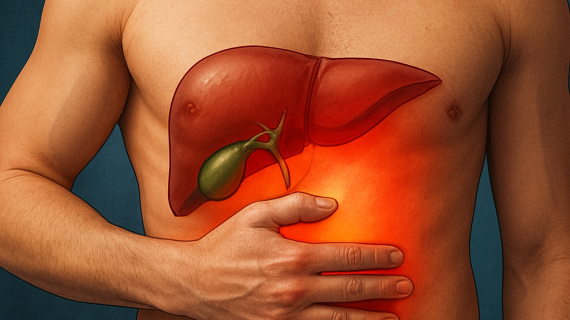
To appreciate the intricacies of hepatobiliary diseases, it is essential to understand the anatomy and function of the hepatobiliary system. The liver, the largest internal organ in your body, is located in the upper right quadrant of your abdomen. It performs numerous vital functions, including detoxifying harmful substances, producing bile for digestion, and regulating metabolism.
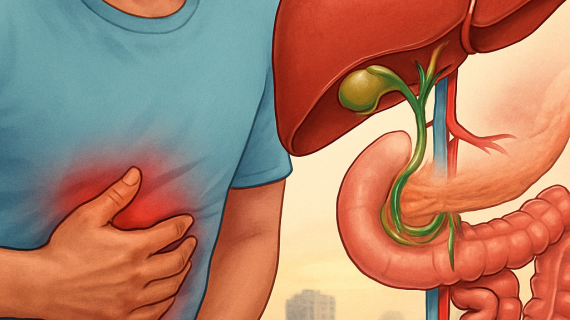
The gallbladder, a small pouch situated beneath the liver, stores bile until it is needed for digestion. The bile ducts are a network of tubes that transport bile from the liver to the gallbladder and then to the small intestine. The liver’s multifaceted roles extend beyond digestion; it also plays a critical part in blood clotting, immune function, and nutrient storage.
When you consume food, your liver produces bile that aids in breaking down fats. This process is essential for nutrient absorption and overall digestive health. Understanding this complex interplay between the liver, gallbladder, and bile ducts will help you appreciate how disruptions in this system can lead to various diseases.
Common Hepatobiliary Diseases and their Symptoms

Several common hepatobiliary diseases can significantly impact your health. Hepatitis, an inflammation of the liver often caused by viral infections, can present with symptoms such as fatigue, jaundice (yellowing of the skin and eyes), abdominal pain, and dark urine. Chronic hepatitis can lead to more severe complications like cirrhosis or liver cancer if left untreated.
Recognizing these symptoms early is crucial for effective management. Gallstones are another prevalent condition affecting the hepatobiliary system. These hardened deposits can form in the gallbladder and may cause intense pain in the upper abdomen, particularly after eating fatty meals.
Other symptoms may include nausea, vomiting, and bloating. If a gallstone obstructs a bile duct, it can lead to more serious complications such as cholecystitis or pancreatitis. Being aware of these symptoms can prompt you to seek medical attention before complications arise.
Diagnostic Tools and Tests for Hepatobiliary Diseases
When it comes to diagnosing hepatobiliary diseases, healthcare professionals employ a variety of tools and tests to assess your condition accurately. Blood tests are often the first step in evaluating liver function and detecting any abnormalities. These tests measure levels of liver enzymes, bilirubin, and other substances that can indicate liver damage or disease.
Imaging studies such as ultrasound, CT scans, or MRIs are also commonly used to visualize the liver and biliary structures. These non-invasive techniques can help identify issues like gallstones, tumors, or signs of inflammation. In some cases, a liver biopsy may be necessary to obtain a tissue sample for further analysis.
Understanding these diagnostic tools can empower you to engage in discussions with your healthcare provider about your health.
Treatment Options for Hepatobiliary Diseases
| Aspect | Description | Common Examples | Key Metrics/Indicators |
|---|---|---|---|
| Definition | Diseases affecting the liver, gallbladder, bile ducts, and related structures. | Hepatitis, Cirrhosis, Gallstones, Cholangiocarcinoma | N/A |
| Prevalence | Varies by disease; liver diseases affect millions worldwide. | Chronic Hepatitis B affects ~296 million globally | Incidence rate: Hepatitis B ~3.5 per 100,000 per year |
| Symptoms | Jaundice, abdominal pain, fatigue, nausea, dark urine | Common across many hepatobiliary diseases | Symptom frequency: Jaundice in 60-70% of cases |
| Diagnostic Tests | Blood tests, imaging (ultrasound, CT, MRI), biopsy | ALT/AST levels, Bilirubin, Alkaline phosphatase | Elevated ALT/AST: >40 U/L; Bilirubin >1.2 mg/dL |
| Treatment Options | Medication, surgery, lifestyle changes, liver transplant | Antiviral drugs for hepatitis, cholecystectomy for gallstones | Success rate varies: e.g., antiviral therapy >90% viral suppression |
Treatment options for hepatobiliary diseases vary widely depending on the specific condition and its severity. For viral hepatitis, antiviral medications may be prescribed to help manage the infection and prevent further liver damage. In cases of chronic liver disease or cirrhosis, lifestyle changes such as adopting a healthier diet and abstaining from alcohol can be crucial in slowing disease progression.
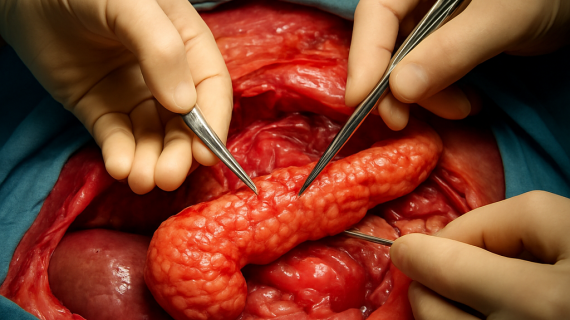
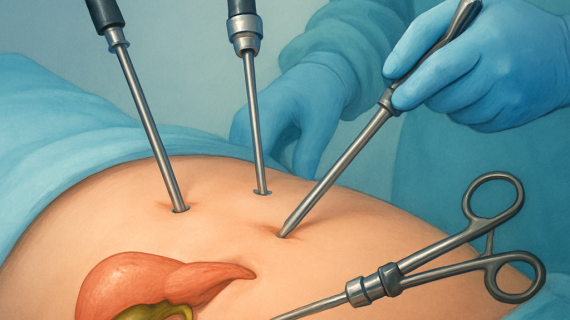
For gallstones causing significant symptoms or complications, surgical intervention may be necessary. Cholecystectomy, the surgical removal of the gallbladder, is a common procedure that can alleviate pain and prevent future episodes. Additionally, medications may be used to dissolve certain types of gallstones in specific cases.
By understanding these treatment options, you can make informed decisions about your healthcare journey.
Risk Factors and Causes of Hepatobiliary Diseases

Several risk factors contribute to the development of hepatobiliary diseases. Lifestyle choices such as excessive alcohol consumption, poor diet, and lack of physical activity can significantly increase your risk of liver disease. Additionally, certain viral infections like hepatitis B and C are major contributors to chronic liver conditions.
Genetic predispositions also play a role in some hepatobiliary diseases. Conditions like hemochromatosis or Wilson’s disease are inherited disorders that affect how your body processes metals or other substances, leading to liver damage over time. By recognizing these risk factors and causes, you can take proactive steps to mitigate your risk and maintain better liver health.
Complications and Long-Term Effects of Hepatobiliary Diseases
Living with hepatobiliary diseases can lead to various complications that may affect your overall health and quality of life. Chronic liver disease can progress to cirrhosis, a condition characterized by severe scarring of the liver tissue that impairs its function. This can result in life-threatening complications such as liver failure or portal hypertension.
Gallbladder diseases can also lead to serious issues if not addressed promptly. For instance, untreated gallstones may cause inflammation or infection of the gallbladder (cholecystitis), which can necessitate emergency surgery. Understanding these potential complications emphasizes the importance of early detection and treatment in managing hepatobiliary diseases effectively.
Lifestyle Changes and Prevention Strategies for Hepatobiliary Diseases
Making lifestyle changes is one of the most effective ways to prevent hepatobiliary diseases or manage existing conditions. A balanced diet rich in fruits, vegetables, whole grains, and lean proteins can support liver health while reducing the risk of obesity—a significant risk factor for liver disease. Limiting alcohol intake is equally important; excessive consumption can lead to fatty liver disease or alcoholic hepatitis.
Regular physical activity is another key component of maintaining a healthy liver. Engaging in at least 150 minutes of moderate exercise each week can help you achieve a healthy weight and improve overall metabolic function. Additionally, staying hydrated and avoiding exposure to harmful substances can further protect your liver health.
By adopting these lifestyle changes, you empower yourself to take control of your health.
Support and Resources for Individuals with Hepatobiliary Diseases
Navigating life with hepatobiliary diseases can be challenging, but numerous resources are available to support you on this journey. Support groups offer a safe space for individuals facing similar challenges to share experiences and coping strategies. Connecting with others who understand your situation can provide emotional relief and practical advice.
Educational resources from reputable organizations such as the American Liver Foundation or local health departments can also provide valuable information about managing your condition. These resources often include guidelines on diet, exercise, and medication management tailored specifically for individuals with hepatobiliary diseases. By seeking out support and information, you can enhance your understanding of your condition and improve your quality of life.
Research and Innovations in Hepatobiliary Disease Management
The field of hepatobiliary disease management is continually evolving due to ongoing research and innovations aimed at improving patient outcomes. Advances in medical technology have led to more accurate diagnostic tools that allow for earlier detection of liver diseases. For instance, non-invasive imaging techniques are becoming increasingly sophisticated, enabling healthcare providers to assess liver health without invasive procedures.
Moreover, research into new therapeutic options is promising for individuals with chronic conditions like hepatitis C or fatty liver disease. Novel antiviral medications have shown remarkable efficacy in treating viral hepatitis, while ongoing studies explore potential treatments for non-alcoholic fatty liver disease (NAFLD). Staying informed about these advancements can inspire hope for better management strategies in the future.
Living with Hepatobiliary Diseases and Looking to the Future
Living with hepatobiliary diseases presents unique challenges that require ongoing management and support. However, by understanding your condition and actively participating in your healthcare journey, you can significantly improve your quality of life. Embracing lifestyle changes, seeking support from others, and staying informed about new research will empower you to navigate this journey with resilience.
As medical advancements continue to unfold in the realm of hepatobiliary disease management, there is hope for more effective treatments and improved outcomes for individuals affected by these conditions. By remaining proactive about your health and advocating for yourself within the healthcare system, you can look forward to a future where living with hepatobiliary diseases becomes more manageable than ever before.
FAQs
What are hepatobiliary diseases?
Hepatobiliary diseases refer to a group of disorders that affect the liver, gallbladder, bile ducts, and related structures involved in the production, storage, and transportation of bile.
What organs are involved in hepatobiliary diseases?
The primary organs involved are the liver, gallbladder, and bile ducts. These organs work together to produce, store, and transport bile, which aids in digestion.
What are common types of hepatobiliary diseases?
Common hepatobiliary diseases include hepatitis, cirrhosis, gallstones, cholangitis, biliary atresia, and liver cancer.
What causes hepatobiliary diseases?
Causes vary and can include viral infections (such as hepatitis viruses), genetic factors, autoimmune conditions, alcohol abuse, gallstones, and certain medications or toxins.
What are the symptoms of hepatobiliary diseases?
Symptoms may include jaundice (yellowing of the skin and eyes), abdominal pain, nausea, vomiting, fatigue, dark urine, pale stools, and itching.
How are hepatobiliary diseases diagnosed?
Diagnosis typically involves blood tests, imaging studies like ultrasound or MRI, liver biopsy, and sometimes endoscopic procedures to examine the bile ducts.
Can hepatobiliary diseases be treated?
Yes, treatment depends on the specific disease and may include medications, lifestyle changes, surgical procedures, or liver transplantation in severe cases.
Are hepatobiliary diseases preventable?
Some hepatobiliary diseases can be prevented by maintaining a healthy lifestyle, avoiding excessive alcohol consumption, getting vaccinated against hepatitis, and managing risk factors like obesity and diabetes.
When should someone see a doctor for hepatobiliary concerns?
It is important to seek medical advice if experiencing symptoms such as persistent abdominal pain, jaundice, unexplained weight loss, or changes in stool or urine color. Early diagnosis can improve outcomes.