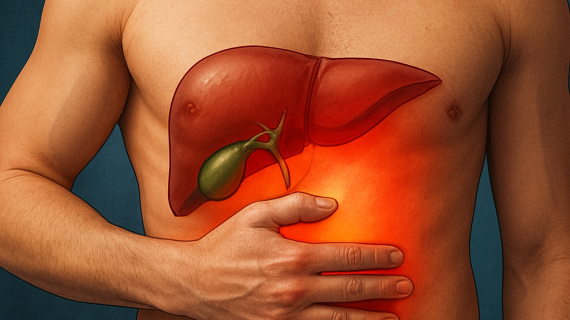
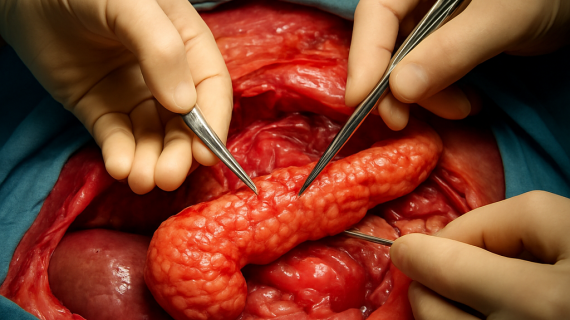
If you or a family member in Dhaka are weighing liver surgery for a tumour, biliary obstruction, or gallstone complication, this practical guide explains when surgery is truly indicated and what to expect. You will find clear criteria for surgery, the diagnostic and preoperative tests used by Dr Murshidul Arefin at Popular Medical College Hospital, the surgical and non-surgical options available, likely risks and recovery timelines, and concrete next steps to book care.
When liver surgery is commonly indicated
Clear criterion: liver surgery is generally indicated when an anatomic problem or tumour can be removed with acceptable risk and the remaining liver will support recovery. That sounds clinical because it is: the decision balances disease biology (what the lesion is and how it behaves) against host factors (liver function, prior chemotherapy, viral hepatitis, comorbidity).
Common clinical indications
Primary liver cancer (hepatocellular carcinoma): Surgical resection is offered for patients with solitary or limited HCC who have preserved liver function (typically Child Pugh A) and sufficient future liver remnant. Tumour markers such as AFP help risk-stratify but do not replace imaging and functional assessment. See the AASLD guidance for staging nuances.
Colorectal liver metastases: Resection is indicated when complete removal of metastases is feasible and the patient can tolerate surgery; this is frequently a curative-intent treatment and happens after multidisciplinary planning with medical oncology for sequencing of chemotherapy.
Cholangiocarcinoma and perihilar bile duct tumours: These often require segmental hepatic resection plus biliary reconstruction; the threshold for surgery depends on vascular involvement and anticipated need for complex reconstruction.
Symptomatic benign lesions or complicated gallstone disease: Large haemangiomas, growing focal nodular hyperplasia causing pain, or biliary obstruction from stones that fail endoscopic treatment are legitimate indications for hepatic operation when symptoms or complications outweigh operative risk.
Practical trade-off: choosing between resection, ablation, or transplant is not academic. Resection removes tissue and gives immediate pathology; ablation preserves liver but has higher local recurrence for lesions >3 cm; transplant cures both tumour and cirrhosis but requires strict listing criteria and donor resources. In Dhaka, timing and access to transplantation make resection the more practical option for many early tumours at Popular Medical College Hospital.
Concrete example: a 58-year-old woman with a solitary 3 cm HCC in segment VI, preserved synthetic function (albumin normal, INR normal), and no portal hypertension is a typical resection candidate. At Popular Medical College Hospital Dr Murshidul Arefin would order contrast MRI, AFP, CT volumetry to confirm a safe future liver remnant and discuss laparoscopic segmentectomy if anatomy permits.
Another use case: a patient with three colorectal metastases confined to the right lobe may undergo right hepatectomy after systemic chemotherapy and a joint review by surgical oncology and medical oncology; if FLR is small, portal vein embolization can be used preoperatively to increase safety.
Judgment that matters: surgeons often overemphasize tumour size and underemphasize remnant quality. A smaller resection in a cirrhotic liver can be far higher risk than a larger resection in a healthy liver. Ask about both the planned extent of resection and how the team measured your future liver remnant and function.
How surgeons diagnose the need for liver surgery
Direct point: the decision to operate is never based on a single scan or lab. Surgeons combine detailed imaging, objective measures of liver function, procedural feasibility and the patients goals to decide whether a liver operation will help more than it will harm.
What surgeons look at — the practical domains
- Anatomic imaging: high quality contrast MRI or multiphase CT to map the tumour(s), blood vessels and bile ducts so the team can plan a resection or reconstruction.
- Functional reserve tests: dynamic or laboratory-based tests that estimate how much functioning liver will remain after removing tissue; these drive choices about staged procedures or preoperative interventions.
- Tumour biology and staging: pathology when available and tumour markers appropriate to the suspected diagnosis (for example CA 19-9 for bile duct tumours or CEA for colorectal metastases) guide whether surgery alone is sensible.
- Patient fitness and comorbidity: cardiac, respiratory and nutritional status influence whether the planned operation is safe and what level of postoperative support will be required.
- Procedural feasibility: technical considerations such as proximity to major vessels, need for biliary reconstruction or likelihood of future treatments (chemotherapy, transplant) determine whether resection is the right first step.
Practical trade-off: obtaining tissue by biopsy is tempting but not always helpful. Image-based diagnoses can be definitive for some liver tumours; biopsy introduces bleeding risk, sampling error and rare tumour seeding. In practice, we reserve biopsy for cases where imaging is indeterminate or when molecular testing will change systemic therapy.
Concrete example: A 62-year-old man presents with painless jaundice and a hilar mass on ultrasound. The team orders MRCP, CA 19-9, and arranges ERCP to decompress the bile duct if needed. If imaging shows a resectable hilar cholangiocarcinoma without distant spread, the case proceeds to multidisciplinary review for planning of liver resection plus biliary reconstruction rather than immediate percutaneous biopsy.
Judgment that matters: low-quality or incomplete imaging is the most common cause of a wrong decision. Repeating scans at a centre with hepatobiliary expertise and transferring DICOM files is worth the delay — it changes operative plans often enough to justify the extra step.
Staging is a process — expect a short series of tests and a multidisciplinary meeting; a clear plan often emerges only after coordinated imaging, functional testing and specialist review.
Surgical and non surgical treatment options explained
Direct point: the choice of treatment for liver disease is not simply surgery versus no surgery — it is a decision about how much liver to remove, how to protect the remaining liver, and whether a non‑resective therapy will achieve the same clinical goal with less harm. Technique selection depends on tumour location, underlying liver quality, prior chemotherapy or hepatitis, and the need for biliary or vascular reconstruction.
Surgical approaches and their trade-offs
Anatomic and parenchymal-sparing resections: formal segmentectomy or lobectomy removes defined anatomic territory and is preferred when clear margins and oncologic nodes matter. Parenchymal-sparing wedge excisions sacrifice less liver and reduce the risk of postoperative liver failure but can make margin assessment and future interventions more complex.
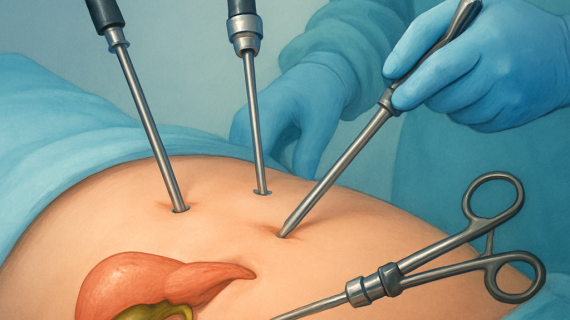
Minimally invasive options: laparoscopic and robotic liver surgery lower wound pain and shorten recovery for suitable lesions away from major vessels. The limitation is technical: central tumours or those requiring complex biliary reconstruction usually still need open surgery. Surgeon volume and experience matter far more for outcomes than the gadget used.
Staged and augmenting strategies: when the future liver remnant is insufficient, teams use procedures to increase it before definitive resection. Portal vein embolization is the standard, producing gradual hypertrophy with relatively low morbidity; the alternate ALPPS technique produces rapid growth but carries higher complication risk and is reserved for select, fit patients.
Non‑resective therapies and when they matter
Local ablation and transarterial therapies: radiofrequency or microwave ablation offers good control for small peripheral tumours and is an option when surgery is unsafe. Transarterial chemoembolization or radioembolization treat larger or multifocal tumours when cure is unlikely but disease control is the aim. These are frequently combined with systemic therapy in multidisciplinary care.
Palliative and bridging measures: biliary stenting, percutaneous drainage, and systemic chemotherapy are critical when immediate resection is impossible. For patients listed for transplantation, these measures can stabilise disease while a donor is sought.
Concrete example: a 60‑year‑old patient with three metastases scattered in both lobes and adequate fitness may be offered a planned two‑stage hepatectomy: first clear lesions from the left lobe while right portal vein embolization stimulates the future remnant, then complete right-sided resection weeks later. This approach balances oncologic clearance with safe liver volume management.
| Procedure | Typical use | Main limitation or trade-off |
|---|---|---|
| Segmentectomy/lobectomy | Solitary or confined tumours needing clear margins | Greater tissue loss; risk rises with poor liver quality |
| Laparoscopic/robotic resection | Peripheral tumours in experienced centres | Technical limits for central lesions; steep learning curve |
| Ablation (RFA/MWA) | Small peripheral tumours or high‑risk surgical patients | Higher local recurrence for lesions >3 cm |
| Portal vein embolization / staged hepatectomy | Insufficient future liver remnant before major resection | Delay before definitive surgery; not effective in all livers |
| TACE/TARE / systemic therapy | Unresectable tumours or downstaging before surgery | Typically palliative; may not achieve cure alone |
Next consideration: before committing, confirm the multidisciplinary plan: what is the intended oncologic endpoint (cure vs control), which augmenting strategies are available locally, and how the team will manage the specific risks of your liver. That single conversation changes the trajectory of care more than any individual test.
What the patient pathway looks like at Popular Medical College Hospital with Dr Murshidul Arefin
Direct statement: the pathway at Popular Medical College Hospital is organized around a short sequence of clinic review, targeted investigations, a multidisciplinary decision and then either a planned operation or an alternative treatment — each step has clear checkpoints so risks are reduced and decisions are documented.
Typical timeline and who does what
- Booking and records intake: patient or referring clinician books via the hospital desk or the Dr Murshidul Arefin contact page; upload existing DICOM imaging and prior pathology to avoid repeat scans.
- Initial surgical review (outpatient): focused history, medication reconciliation, and a targeted physical exam by Dr Murshidul Arefin; brief counseling about likely tests and timing.
- Targeted investigations: short battery of tests ordered in one visit — multiphase imaging if needed, tumour markers, detailed liver function assessment and cardiopulmonary clearance; bloodwork and imaging are scheduled together to shorten delays.
- Multidisciplinary team (MDT) review: hepatobiliary surgeon, radiologist, interventional radiologist, medical oncologist and anaesthesiologist review imaging and tests and produce a single recommended plan with contingencies.
- Preoperative optimisation: disease-specific steps such as antiviral therapy, diabetes control, nutritional build-up or prehabilitation; interventional procedures like portal vein embolization are scheduled if required.
- Surgery scheduling and perioperative plan: expected length of operation, likely need for HDU or ICU, blood availability, and explicit consent are completed before the admission date.
- Postoperative care and discharge planning: early physiotherapy, dietitian input and a tailored follow-up/surveillance plan are arranged before discharge so patient and family know next steps.
Practical trade-off: speeding the pathway is valuable for symptomatic or aggressive tumours, but accelerating without full functional assessment or repeat high-quality imaging increases the risk of a missed vascular or biliary detail — that mistake costs more than a one-week delay.
Operational limitation to be aware of: nonclinical delays — transfer of DICOM files, insurance preauthorisation and blood-bank matching — are the most common causes of postponed procedures here. Plan for administrative lead time when you call the appointment desk.
Concrete example: a fit patient with a single 3 cm peripheral hepatocellular carcinoma reached operation in 3 weeks: outpatient review, MRI the same week, MDT within 48 hours and laparoscopic segmentectomy scheduled. By contrast, a patient with bilobar colorectal metastases required portal vein embolization and a two‑stage plan; the total pathway for treatment spanned 8–12 weeks because liver hypertrophy and interval chemotherapy needed coordination.
Judgment that matters: patients assume being listed equals immediate surgery. In practice, listing is conditional — active infections, poor glycaemic control, low haemoglobin or incomplete imaging will push the date back and rightly so. A postponement for optimisation reduces the chance of serious post-liver surgery complications.
Next consideration: if your case likely needs transplant-level assessment or living donor evaluation, the MDT will explain referral steps early — do not assume all liver operations are available on the same day; ask about transfer or referral pathways at your first appointment.
Risks, complications, and how they are managed
Direct statement: Major complications after liver surgery are uncommon in experienced hepatobiliary centres, but when they occur they determine both short term recovery and long term outcomes. Anticipation, early detection, and having interventional and critical care options available are the practical differences between a reversible complication and a catastrophic one.
Major problems you should expect the team to plan for
- Bleeding: intraoperative control uses stepwise vascular control, low central venous pressure anaesthesia, cell saver or transfusion when needed; postoperative bleeding is often managed with angiographic embolization when a focal arterial bleed is identified.
- Bile leak: suspected when drain fluid is bilious or when fever and abdominal pain persist; management is usually percutaneous drainage plus endoscopic stent placement, with reoperation reserved for uncontrolled sepsis or major duct injury.
- Post hepatectomy liver failure (PHLF): watch for rising INR, bilirubin and encephalopathy; treatment is supportive intensive care, correction of precipitating factors, and temporary renal and ventilatory support; transplant referral is only for a tiny subset and is not routine.
- Infection and intraabdominal collections: treated with targeted antibiotics and image guided drainage; proactive source control shortens ICU stays and reduces mortality.
- Thromboembolism and pulmonary complications: balanced DVT prophylaxis, early mobilisation and chest physiotherapy; anticoagulation timing is a tradeoff if bleeding risk is elevated.
- Acute kidney injury and multisystem organ dysfunction: avoid hypotension, optimise fluid and drug dosing, and involve nephrology early if creatinine rises.
Practical tradeoff: transfusion prevents immediate death from hemorrhage but is not benign – it increases infection risk and may impair oncologic outcomes. Experienced teams use restrictive transfusion thresholds and rapid IR embolization where possible to avoid large volume transfusions.
Concrete example: a patient develops fever and rising bilirubin on postoperative day 5 after right hepatectomy. CT shows a subhepatic fluid collection. The team placed a percutaneous drain under radiology and performed ERCP with a biliary stent to divert bile. The combination controlled sepsis, the drain output fell over a week, and the patient was discharged home on day 12 with outpatient follow up.
Operational insight: whether a complication becomes complex often depends on systems, not luck. Rapid access to interventional radiology for embolization or drainage, an experienced anaesthesia and critical care team, and clear postoperative protocols reduce the need for reoperation and shorten recovery.
What is commonly misunderstood: minimally invasive liver surgery reduces wound pain and pulmonary problems but it does not eliminate the risk of bile leak, bleeding or liver failure. The deciding factors are underlying liver health, extent of resection and the team handling complications, not the incision size.
If you have increasing abdominal pain, fever, rising jaundice or altered mental state after surgery contact your surgical team immediately — early intervention prevents escalation.
Next consideration: when you speak with Dr Murshidul Arefin ask specifically how the team will handle the complications listed above for your case, who performs IR procedures at the hospital, and which postoperative signs should prompt an urgent return. That concrete discussion materially changes risk management.
Recovery timeline and follow up after liver surgery
Straightforward point: recovery after a liver operation is a stepwise process tied to the extent of tissue removed and the baseline health of the liver. Expect milestones, not a single finish line; how quickly you clear each milestone determines the next step in treatment or surveillance.
Early in hospital: what changes day to day
Immediate priorities: control pain with oral and intravenous strategies, restore bowel function, remove invasive lines when safe, and begin supervised mobilisation. The surgical team reviews liver enzymes, coagulation and urine output every day to spot early liver stress or bleeding.
Tradeoff to understand: pushing for very early discharge reduces hospital-acquired complications but only works if reliable outpatient support and rapid access to imaging and interventional radiology exist. In Dhaka that practical support often determines whether early discharge is safe.
First weeks at home and activity planning
Progression, not permission: activity, diet and medications are advanced gradually. Most patients move from liquid to normal diet as appetite and nausea settle, switch from stronger analgesics to oral painkillers, and increase walking each day under physiotherapy guidance. Heavy lifting and intense exertion remain restricted until your surgeon confirms adequate liver recovery.
Common limitation: fatigue often lasts far longer than pain or the wound healing. Patients and families underestimate how much energy liver regeneration demands. Plan for practical home support for weeks after discharge even if the wound looks healed.
Follow up checks and cancer surveillance
Follow up is protocolised: early visits monitor wound healing, remove drains or stitches if present, check laboratory trends and review histopathology if the specimen was sent. If surgery was for cancer, surveillance combines blood tests and imaging more frequently while the risk of recurrence is highest, then spacing visits over time as the team documents stability.
Practical judgement: ask your surgeon what triggers adjuvant treatment or additional imaging for your specific pathology. Decisions about chemotherapy, radioembolization or further surgery are made on trend and context, not a single test result.
Concrete example: a patient who underwent a limited laparoscopic hepatic segment removal returned home with oral pain control and basic mobility. They attended a surgical clinic visit within the first two weeks for wound review and lab checks, had drains removed then, started gentle physiotherapy, and completed first postoperative imaging as arranged by the MDT to confirm no residual disease before any adjuvant therapy.
Takeaway: recovery after hepatic surgery is predictable in stages but highly individual in speed. Confirm the local support plan before discharge, know the red flags that require urgent review, and get a documented surveillance schedule from your MDT so follow up does not become guesswork.
Questions to ask your surgeon and decision making checklist
Start here: tell the surgeon what outcome matters most to you – cure, longest disease control, symptom relief, or fastest recovery – and ask how the proposed liver surgery aligns with that goal. This single clarification shapes every technical choice and risk tradeoff.
Practical questions to take to your consultation
- Surgeon and team experience: How many hepatectomies do you perform per year and how many of those are laparoscopic or robotic? Who covers interventional radiology and critical care if a complication occurs?
- Procedure specifics: Exactly which parts of my liver would be removed and why? What is the planned margin and how will the future liver remnant be estimated?
- Alternatives and intent: If I opt for ablation, embolization, or systemic therapy instead, what are the expected chances of local control versus resection? Is transplant being considered and why or why not?
- Risks for my situation: What are the likely complications given my liver function, prior chemotherapy or hepatitis status, and how would each be managed here in Dhaka?
- Logistics and recovery: Expected length of surgery, usual length of stay, need for HDU or ICU, blood transfusion probability, and early mobility plan.
- Costs and admin: Estimated hospital cost range, typical items not covered by insurance, and expected administrative lead time for imaging transfer and blood bank clearance.
- Second opinion and documentation: Can I get the MDT notes and operative plan in writing? What information should I send if I seek a second opinion?
Tradeoff to weigh: a surgeon who reports many laparoscopic resections may deliver faster recoveries, but that advantage disappears if the hospital lacks rapid access to interventional radiology or an experienced ICU team. Procedure skill and system capability must match.
Concrete example: A 55 year old man with a 3 cm peripheral hepatocellular carcinoma asks if laparoscopic segmentectomy is safe. The surgeon replies that anatomy looks favourable on MRI, the hospital performs laparoscopic hepatectomy weekly, and interventional radiology is available after hours. The patient accepts laparoscopic resection knowing the contingency plan is an open conversion if vessels are involved.
- Decision checklist to complete before you commit: Confirm FLR assessment was done with CT volumetry or equivalent.
- Confirm MDT endorsement: Ensure radiology, medical oncology and interventional radiology agreed on the plan.
- Confirm backup resources: Verify 24 hour IR, blood bank and HDU/ICU access on the planned date.
- Obtain clear contingency plans: Ask what will trigger conversion to open surgery, intraoperative transfusion thresholds, and how bile leak or PHLF would be managed.
- Get timelines in writing: Expected date window for surgery, preoperative optimisation steps, and first postoperative clinic visit.
If a proposed plan lacks specific numbers or a documented MDT opinion, pause. Vague answers about risks or resources usually mean the team has not fully mapped contingencies for your case.
How to prepare for your first appointment and how to book surgery at Popular Medical College Hospital
Start with one clear action: get your imaging and basic blood tests organised before you call. Booking an effective first consultation with Dr Murshidul Arefin is not about finding the earliest slot — it is about making that first visit productive so a real plan can be made without repeating tests.
How to book
Call or submit your digital packet: use the hospital appointment desk or the Dr Murshidul Arefin contact page to request a hepatobiliary clinic slot. When you call, ask for the expected administrative lead time and whether the team needs a blood group and crossmatch completed before admission — these are common causes of last-minute delays.
Step 1 — Prepare records electronically: collect prior CT/MRI in DICOM format if possible, histopathology reports, and a current medication list. If DICOM export is impossible, bring original CDs/USBs or provide a secure cloud link. Sending files ahead reduces the chance the surgeon will request repeat imaging on the day of review.
Step 2 — Basic previsit tests to arrange locally: within 1–2 weeks before the appointment have LFTs, coagulation profile (INR), viral hepatitis status and basic renal function checked. For patients with heart or breathing problems, also get a recent ECG and a chest X-ray; the anaesthesia team will use these to advise perioperative risk and any extra optimisation needed.
Step 3 — Practical logistics: plan a companion for the visit who can take notes and help with decisions, identify a responsible person for post-discharge care, and confirm transport and accommodation if you live outside Dhaka. Ask the hospital billing office for a rough cost estimate and whether a payment preauthorization or deposit is required to secure a surgery date.
Real-world trade-off: a short surgical wait is appropriate if it allows completion of volumetry, cardiopulmonary clearance and optimisation of diabetes or anaemia. Rushing to the operating theatre because an appointment is available without these steps raises the chance of complications that prolong hospital stay and increase costs.
Concrete example: a patient referred from outside Dhaka uploaded MRI DICOM and blood tests a week before the clinic date. The team reviewed images, requested CT volumetry and arranged a pre-op anaesthesia consult; the operation was scheduled with a clear plan for laparoscopic segmentectomy and a known blood group match, avoiding a cancelled theatre slot and a second hospital visit.
Judgment that matters: the single most valuable thing you can do before booking is confirm whether the proposed procedure requires after-hours interventional radiology or ICU. A technically excellent surgeon cannot safely perform certain hepatic resections without reliable IR back-up and critical care — verify those services on your planned date.
Next step: upload your records via the contact page and call the hospital desk to confirm the earliest MDT review date. That single administrative move shortens delays and keeps all clinical options on the table.