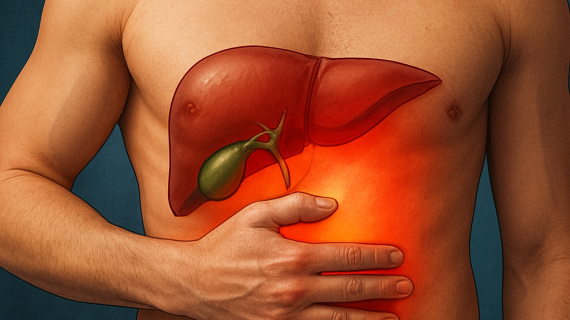
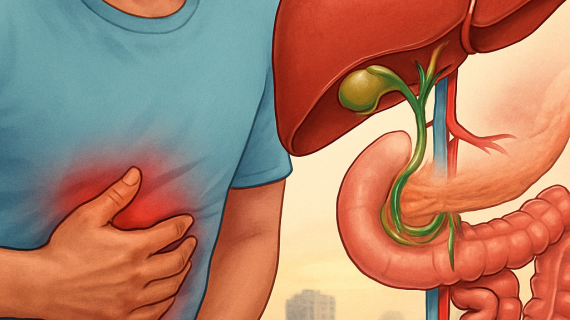
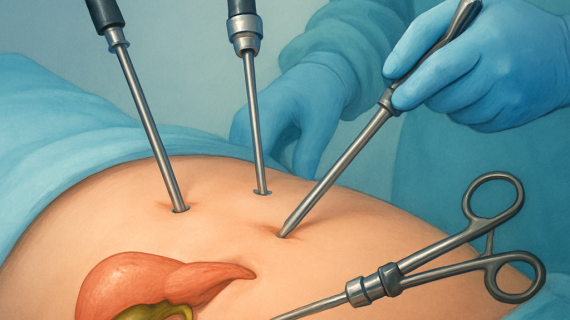
Gallstones are hardened deposits that form in the gallbladder, a small organ located beneath the liver. These stones can vary in size, from as small as a grain of sand to as large as a golf ball. The formation of gallstones is often linked to an imbalance in the substances that make up bile, a digestive fluid produced by the liver.
When there is too much cholesterol or bilirubin in the bile, or if the gallbladder does not empty effectively, gallstones can develop. You may not even realize you have gallstones until they cause symptoms, which can include severe abdominal pain, nausea, vomiting, and indigestion. Recognizing the symptoms of gallstones is crucial for timely intervention.
The most common symptom is biliary colic, which manifests as intense pain in the upper right abdomen that may radiate to the back or right shoulder. This pain often occurs after eating a fatty meal and can last from a few minutes to several hours. Other symptoms may include jaundice, which is a yellowing of the skin and eyes, and dark urine.
If you experience any of these symptoms, it’s essential to consult a healthcare professional for an accurate diagnosis and appropriate treatment options.
Key Takeaways
- Gallstones require proper diagnosis and treatment; natural removal without medical intervention is largely a myth.
- Non-surgical options and lifestyle changes can help manage gallstones but may not be effective for all cases.
- Diet and traditional medicine play supportive roles but should complement, not replace, professional medical advice.
- Consulting healthcare professionals is crucial for personalized and safe gallstone management plans.
- Understanding risks and benefits of alternative therapies helps patients make informed decisions about gallstone treatment.
Natural Gallstone Removal Myth: Separating Fact from Fiction
The internet is rife with claims about natural remedies for gallstone removal, but it’s important to approach these assertions with skepticism. Many people believe that certain foods or herbal supplements can dissolve gallstones or flush them out of the body.
You might come across testimonials from individuals who claim success with these methods, but anecdotal evidence does not equate to proven efficacy. Separating fact from fiction is vital when considering your health. While lifestyle changes such as diet and exercise can play a role in preventing gallstones, relying solely on natural remedies can lead to delayed treatment and potential complications.
It’s essential to consult with a healthcare professional before attempting any natural treatment for gallstones. They can provide guidance based on your specific situation and help you make informed decisions about your health.
Non-Surgical Treatment Options for Gallstones

For those who wish to avoid surgery, there are non-surgical treatment options available for managing gallstones. One of the most common methods is medication that helps dissolve cholesterol gallstones. Ursodeoxycholic acid is a bile acid that can gradually reduce the size of gallstones or even dissolve them entirely over time.
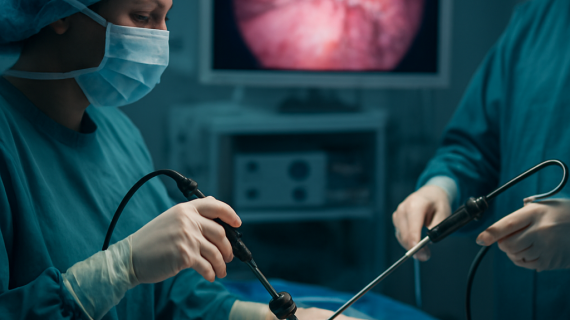
However, this treatment may take months or even years to be effective, and it is typically reserved for patients who cannot undergo surgery due to other health concerns. Another non-surgical option is endoscopic retrograde cholangiopancreatography (ERCP), a procedure that allows doctors to remove stones from the bile duct using an endoscope. This minimally invasive technique can relieve symptoms and prevent complications without the need for open surgery.
If you are considering non-surgical options, it’s essential to discuss these with your healthcare provider to determine the best course of action based on your individual circumstances.
Diet and Lifestyle Changes for Gallstone Prevention and Management
Making dietary and lifestyle changes can significantly impact your risk of developing gallstones and managing existing ones. A diet high in fiber, healthy fats, and lean proteins can promote overall digestive health and reduce the likelihood of gallstone formation. Incorporating fruits, vegetables, whole grains, and healthy fats like olive oil into your meals can help maintain a balanced diet that supports gallbladder function.
In addition to dietary changes, maintaining a healthy weight through regular exercise is crucial for preventing gallstones. Rapid weight loss or obesity can increase the risk of gallstone formation, so it’s important to adopt a sustainable approach to weight management.
By making these changes, you can take proactive steps toward preventing gallstones and improving your digestive health.
The Role of Traditional Medicine in Gallstone Treatment
| Myth | Fact | Common Methods Claimed | Medical Reality | Prevalence in Bangladesh |
|---|---|---|---|---|
| You can remove gallstones without surgery | Gallstones often require medical intervention; surgery is common | Herbal remedies, dietary changes, home remedies | Non-surgical treatments like medication or lithotripsy exist but are limited; surgery (cholecystectomy) is most effective | High belief in non-surgical cures; many delay proper treatment |
| Gallstones dissolve with natural remedies | Most gallstones do not dissolve with natural remedies | Use of lemon juice, apple cider vinegar, and herbal teas | Natural remedies lack scientific evidence; may relieve symptoms but do not remove stones | Widely practiced but medically ineffective |
| Surgery is dangerous and should be avoided | Modern surgery is safe and effective | Fear of surgery leads to avoidance | Laparoscopic surgery is minimally invasive with quick recovery | Fear of surgery causes treatment delays in many patients |
| Gallstones always cause severe symptoms | Many gallstones are asymptomatic | Assumption that all gallstones need immediate removal | Asymptomatic stones may not require surgery; monitored by doctors | Misunderstanding leads to unnecessary panic or neglect |
Traditional medicine has long been utilized in various cultures to address health issues, including gallstones. Herbal remedies and acupuncture are among the practices that some individuals turn to for relief from gallstone symptoms or as preventive measures. Certain herbs, such as milk thistle and dandelion root, are believed to support liver function and promote bile flow, potentially reducing the risk of gallstone formation.
While traditional medicine can offer complementary approaches to health care, it’s essential to approach these treatments with caution. Not all herbal remedies are safe or effective, and some may interact with conventional medications. If you are considering incorporating traditional medicine into your treatment plan for gallstones, it’s crucial to consult with a healthcare professional who understands both conventional and alternative therapies.
They can help you navigate your options safely and effectively.
The Importance of Seeking Medical Advice for Gallstone Removal

When it comes to gallstones, seeking medical advice is paramount. While some individuals may experience mild symptoms that resolve on their own, others may face severe complications if left untreated. Conditions such as cholecystitis (inflammation of the gallbladder) or pancreatitis (inflammation of the pancreas) can arise from untreated gallstones and may require emergency medical attention.
Consulting with a healthcare professional allows you to receive an accurate diagnosis and explore all available treatment options tailored to your needs. They can assess the severity of your condition and recommend appropriate interventions, whether surgical or non-surgical. By prioritizing medical advice, you empower yourself to make informed decisions about your health and well-being.
Debunking Common Misconceptions About Gallstone Removal
There are several misconceptions surrounding gallstone removal that can lead to confusion and misinformation. One common myth is that all gallstones require surgical removal; however, this is not always the case. Many individuals with asymptomatic gallstones may not need any treatment at all unless they begin experiencing symptoms or complications.
Another misconception is that once gallstones are removed surgically, they will never return. While surgery can effectively eliminate existing stones, it does not prevent new ones from forming if risk factors remain unaddressed. Understanding these misconceptions is crucial for making informed decisions about your health and treatment options.
Exploring Alternative Therapies for Gallstone Dissolution
In addition to conventional treatments, some individuals explore alternative therapies for gallstone dissolution. These may include homeopathic remedies, acupuncture, or even specific detox diets that claim to cleanse the liver and gallbladder. While some people report positive experiences with these therapies, scientific evidence supporting their effectiveness is often lacking.
If you are considering alternative therapies for gallstone dissolution, it’s essential to approach them with an open mind while remaining cautious. Consulting with a healthcare professional who understands both conventional and alternative approaches can help you navigate these options safely and effectively.
The Risks and Benefits of Non-Surgical Gallstone Removal Methods
Non-surgical methods for gallstone removal come with their own set of risks and benefits that should be carefully considered. Medications like ursodeoxycholic acid may offer a non-invasive solution for some patients; however, they require long-term commitment and may not be suitable for everyone. Additionally, there is no guarantee that these medications will work for every individual.
On the other hand, procedures like ERCP can provide immediate relief from symptoms but may carry risks such as infection or pancreatitis. Weighing these risks against potential benefits is crucial when deciding on a treatment plan for gallstones. Engaging in open discussions with your healthcare provider will help you make informed choices based on your unique situation.
Patient Experiences and Success Stories with Non-Surgical Gallstone Treatment
Hearing about patient experiences can provide valuable insights into non-surgical gallstone treatment options. Many individuals have successfully managed their symptoms through lifestyle changes or non-invasive procedures like ERCP. These success stories often highlight the importance of early intervention and proactive management in preventing complications.
Patients who have undergone non-surgical treatments frequently share their journeys of trial and error in finding what works best for them. Their experiences underscore the significance of personalized care plans tailored to individual needs and circumstances. By learning from others’ successes and challenges, you can gain perspective on your own journey toward managing gallstones effectively.
Consulting with Healthcare Professionals for Personalized Gallstone Management Plans
Ultimately, consulting with healthcare professionals is essential for developing personalized management plans for gallstones. Your healthcare provider will consider your medical history, current symptoms, and lifestyle factors when recommending treatment options tailored specifically to you. This collaborative approach ensures that you receive comprehensive care that addresses your unique needs.
By working closely with your healthcare team, you empower yourself to take control of your health journey regarding gallstones. Whether through lifestyle changes, non-surgical treatments, or surgical interventions when necessary, having a personalized plan in place will help you navigate your path toward optimal health and well-being effectively.
In the quest to understand non-surgical options for gallstone removal, many myths abound, particularly in Bangladesh. A related article that delves into the importance of crafting captivating headlines to draw readers in can be found [here](https://clone.drarefin.com/crafting-captivating-headlines-your-awesome-post-title-goes-here/). This resource not only highlights the significance of engaging content but also emphasizes how effective communication can help dispel misconceptions surrounding medical treatments.
FAQs
Can gallstones be removed without surgery?
Yes, in some cases, gallstones can be treated without surgery using non-invasive methods such as oral bile acid pills or shock wave lithotripsy. However, these treatments are not suitable for everyone and are less commonly used than surgical removal.
What are the common non-surgical treatments for gallstones?
Common non-surgical treatments include oral dissolution therapy with medications like ursodeoxycholic acid, which can help dissolve cholesterol gallstones over time, and extracorporeal shock wave lithotripsy (ESWL), which uses sound waves to break up stones.
Are non-surgical treatments effective for all types of gallstones?
No, non-surgical treatments are generally effective only for small, cholesterol-based gallstones. Pigment stones or large stones typically require surgical intervention.
Is gallstone surgery the only reliable treatment option?
Surgery, particularly laparoscopic cholecystectomy (removal of the gallbladder), is the most common and reliable treatment for symptomatic gallstones. It provides a definitive solution and prevents recurrence.
Can gallstones be treated with natural remedies or diet changes alone?
While a healthy diet may help prevent gallstones, there is no scientific evidence that natural remedies or diet changes alone can remove existing gallstones.
What are the risks of leaving gallstones untreated?
Untreated gallstones can lead to complications such as gallbladder inflammation, infection, blockage of bile ducts, and pancreatitis, which may require emergency medical treatment.
Is gallstone surgery commonly performed in Bangladesh?
Yes, gallstone surgery is widely performed in Bangladesh, with laparoscopic cholecystectomy being the standard procedure due to its minimally invasive nature and quick recovery time.
Are there myths about gallstone treatment prevalent in Bangladesh?
Yes, some common myths include beliefs that gallstones can be dissolved quickly with herbal remedies or that surgery is always dangerous. It is important to rely on medical advice and evidence-based treatments.
How can one prevent gallstones?
Preventive measures include maintaining a healthy weight, eating a balanced diet rich in fiber, avoiding rapid weight loss, and regular physical activity.
When should someone with gallstones seek medical attention?
Medical attention should be sought if experiencing symptoms such as severe abdominal pain, nausea, vomiting, jaundice, or fever, as these may indicate complications requiring prompt treatment.