The spleen, a small organ located in the upper left quadrant of the abdomen, often goes unnoticed in discussions about health and wellness. However, its significance cannot be overstated. I have come to appreciate that the spleen plays a multifaceted role in our body, serving as a crucial component of both the immune system and the circulatory system. It acts as a filter for blood, removing old or damaged red blood cells while also storing platelets and white blood cells. This organ is not just a passive participant; it actively contributes to maintaining our overall health.
In addition to its filtering capabilities, the spleen is instrumental in producing antibodies and facilitating the immune response. I find it fascinating that this organ can detect pathogens and initiate an immune response, making it a frontline defender against infections. The spleen’s ability to recycle iron from old red blood cells is another vital function, ensuring that our body has the necessary resources to produce new blood cells. Understanding the spleen’s key functions helps me appreciate its importance in maintaining homeostasis and overall well-being.
For a deeper understanding of the spleen’s role in the body, you may find the article “Understanding the Immune System: The Role of the Spleen” on our website particularly insightful. This article delves into how the spleen contributes to immune function, highlighting its importance alongside the key functions, common problems, and when to seek care discussed in “What the Spleen Does With Key Functions, Common Problems, and When to Seek Care.” You can read it by following this link: Understanding the Immune System: The Role of the Spleen.
The Role of the Spleen in the Immune System: How It Helps to Fight Infection and Disease
The spleen’s role in the immune system is one of its most critical functions. I have learned that it acts as a reservoir for white blood cells, particularly lymphocytes, which are essential for fighting infections. When pathogens invade the body, the spleen springs into action, producing antibodies and mobilizing immune cells to combat these intruders. This process is vital for preventing infections and diseases from taking hold in our bodies.
Moreover, the spleen helps to filter out bacteria and other harmful microorganisms from the bloodstream. I find it remarkable that this organ can identify and eliminate threats before they spread throughout the body. The spleen also plays a role in the maturation of certain types of white blood cells, enhancing their ability to respond effectively to infections. By understanding how the spleen contributes to our immune defense, I realize just how interconnected our bodily systems are and how crucial it is to maintain a healthy spleen.
Understanding Common Problems with the Spleen: Conditions such as Enlarged Spleen and Splenic Disorders

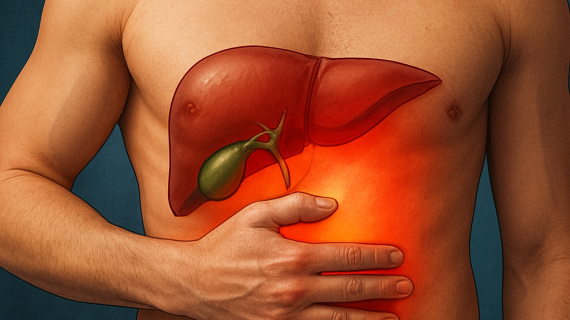
Despite its importance, the spleen can be susceptible to various conditions that may compromise its function. One common issue is splenomegaly, or an enlarged spleen, which can occur due to infections, liver diseases, or blood disorders. I have come across cases where individuals experience discomfort or pain in the left upper abdomen due to this enlargement. It serves as a reminder that even organs we may not think about regularly can face challenges that impact our health.
In addition to splenomegaly, there are other splenic disorders that can arise, such as splenic rupture or congenital abnormalities. These conditions can lead to significant complications if not addressed promptly. I have learned that understanding these potential problems is essential for recognizing symptoms early on and seeking appropriate medical care. The spleen’s health is integral to my overall well-being, and being aware of these issues empowers me to take proactive steps in maintaining my health.
What is Hypersplenism? Recognizing Symptoms and Understanding its Impact on the Body
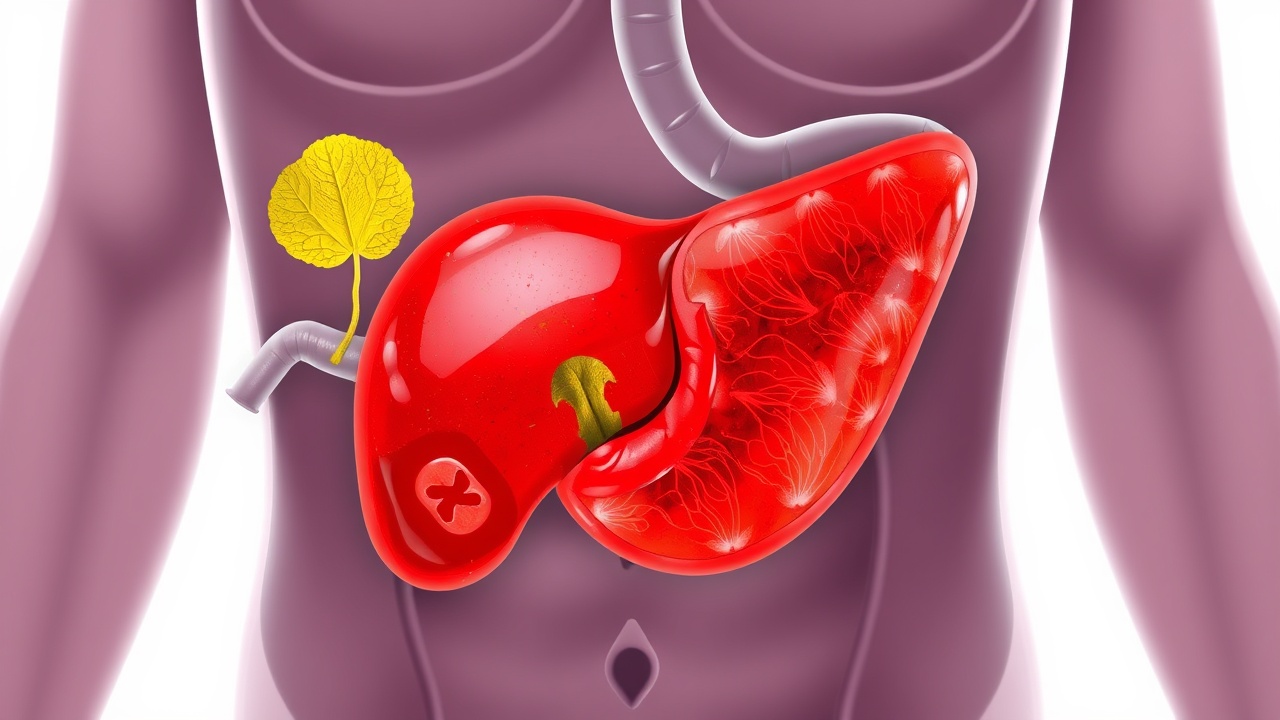
Hypersplenism is a condition characterized by an overactive spleen that removes blood cells at an accelerated rate. I find it concerning that this condition can lead to various complications, including anemia, leukopenia, and thrombocytopenia. The symptoms of hypersplenism can be subtle at first but may include fatigue, frequent infections, and easy bruising or bleeding. Recognizing these signs is crucial for early intervention and management.
The impact of hypersplenism on the body can be profound. As I delve deeper into this condition, I realize that it can lead to a cascade of health issues stemming from low blood cell counts. For instance, anemia can result in decreased oxygen delivery to tissues, leading to fatigue and weakness. Understanding hypersplenism has made me more aware of how interconnected our bodily systems are and how one organ’s dysfunction can ripple through our overall health.
Understanding the functions of the spleen is crucial for maintaining overall health, and for those interested in a deeper exploration of this topic, a related article provides valuable insights into the importance of organ health. The article discusses various aspects of the spleen, including its key functions, common problems that can arise, and guidance on when to seek medical care. For more information, you can read the full article here. This resource can help you better appreciate the role of the spleen in your body and the implications of any potential issues.
The Link Between the Spleen and Liver Cancer: How Liver Cancer can Affect the Spleen and Vice Versa
| Category | Details |
|---|---|
| Key Functions |
|
| Common Problems |
|
| When to Seek Care |
|
The relationship between the spleen and liver cancer is an area that has piqued my interest due to its complexity. Liver cancer can lead to splenic enlargement as a result of increased pressure in the portal vein or due to metastatic spread of cancer cells. Conversely, an unhealthy spleen can impact liver function by affecting blood flow and filtration processes. This bidirectional relationship highlights how interconnected our organs are and how one condition can exacerbate another.
I have learned that patients with liver cancer may experience symptoms related to splenic dysfunction, such as abdominal pain or discomfort. Additionally, those with hypersplenism due to liver disease may face increased risks of bleeding or infections. Understanding this link has deepened my appreciation for comprehensive medical care that considers all aspects of a patient’s health rather than focusing solely on one organ or condition.
Understanding the role of the spleen is crucial for maintaining overall health, and for those interested in learning more about its key functions, common problems, and when to seek care, a related article can provide valuable insights. This article delves into the intricacies of the spleen and offers guidance on how to recognize potential issues. For further reading, you can explore the topic in more detail by visiting this informative resource.
When to Seek Medical Care for Spleen-Related Issues: Recognizing the Signs and Symptoms of Spleen Problems
For reliable health advice, Get best medical expert consultation today.
Recognizing when to seek medical care for spleen-related issues is crucial for maintaining health. I have come to understand that certain symptoms warrant immediate attention, such as persistent abdominal pain, unexplained fatigue, or unusual bruising. These signs may indicate underlying splenic disorders that require prompt evaluation by a healthcare professional.
Additionally, if I notice any changes in my immune response—such as frequent infections or prolonged illness—it’s essential to consult a doctor. Being proactive about my health means being aware of these warning signs and not hesitating to seek help when needed. Early intervention can make a significant difference in managing potential splenic issues effectively.
Diagnostic Tests and Imaging for Spleen Disorders: How Doctors Diagnose and Assess Spleen Health
When it comes to diagnosing spleen disorders, healthcare professionals employ various tests and imaging techniques to assess its health accurately. I have learned that blood tests are often the first step in evaluating splenic function, providing insights into blood cell counts and overall health status. These tests can reveal abnormalities that may indicate conditions like hypersplenism or splenic rupture.
Imaging studies such as ultrasound or CT scans play a vital role in visualizing the spleen’s size and structure. These non-invasive techniques allow doctors to identify any abnormalities or lesions that may be present. Understanding these diagnostic processes has made me appreciate the importance of thorough evaluations in determining the underlying causes of any symptoms I may experience related to my spleen.
Treatment Options for Spleen Conditions: From Medications to Surgical Interventions
Treatment options for spleen conditions vary depending on the specific diagnosis and severity of the issue at hand. In some cases, medications may be prescribed to manage symptoms or address underlying causes, such as infections or inflammatory conditions affecting the spleen. I find it reassuring that there are non-invasive approaches available for managing certain splenic disorders.
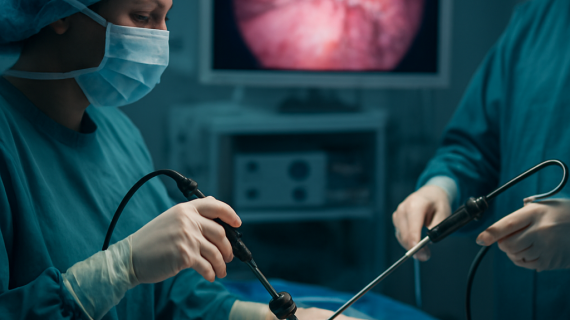
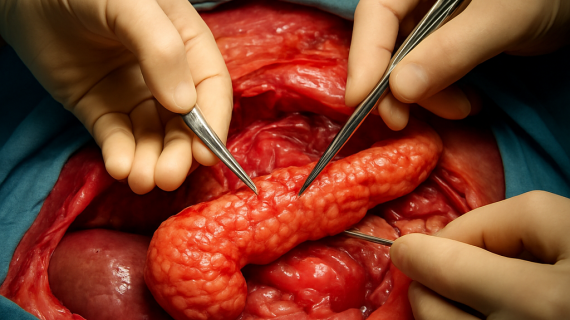
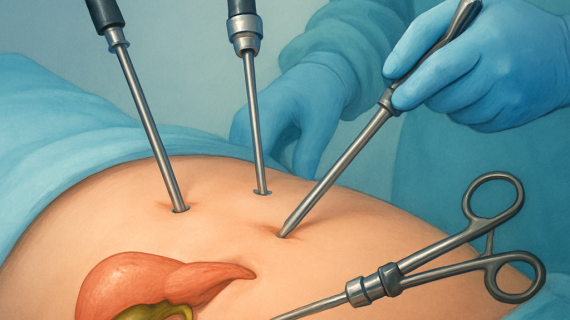
However, more severe cases may require surgical intervention, such as splenectomy—the removal of the spleen—especially in instances of splenic rupture or severe hypersplenism. While this procedure can alleviate symptoms and prevent complications, I understand that living without a spleen requires careful monitoring and adjustments in lifestyle due to increased susceptibility to infections. Exploring these treatment options has highlighted the importance of personalized care tailored to individual needs.
Lifestyle and Dietary Considerations for Spleen Health: Tips for Supporting a Healthy Spleen
Maintaining a healthy spleen involves adopting certain lifestyle and dietary practices that support its function. I have discovered that incorporating a balanced diet rich in vitamins and minerals can significantly benefit my overall health, including my spleen’s well-being. Foods high in antioxidants—such as fruits and vegetables—can help reduce inflammation and support immune function.
Additionally, staying hydrated is essential for optimal organ function, including the spleen. Regular physical activity also plays a role in promoting circulation and overall health. I have learned that managing stress through mindfulness practices or relaxation techniques can further support my immune system and contribute positively to my spleen’s health.
The Importance of Regular Check-ups and Monitoring for Spleen Health: How to Stay on Top of Your Spleen’s Well-being
Regular check-ups with healthcare professionals are vital for monitoring spleen health and addressing any concerns early on. I have come to appreciate that routine evaluations allow for timely detection of potential issues before they escalate into more significant problems. Staying proactive about my health means scheduling regular appointments and discussing any symptoms or changes I may experience.
Moreover, understanding my family history regarding splenic disorders or related conditions can provide valuable insights during these check-ups. By being informed about my health status and engaging in open communication with my healthcare provider, I can take charge of my well-being and ensure that my spleen remains healthy.
The Vital Role of the Spleen in Overall Health and Well-being
In conclusion, my exploration of the spleen has revealed its vital role in maintaining overall health and well-being. From its functions in filtering blood and supporting immune responses to its connections with other organs like the liver, I have gained a deeper appreciation for this often-overlooked organ. Understanding common problems associated with the spleen has empowered me to recognize symptoms early on and seek appropriate medical care when necessary.
As I continue on my journey toward better health, I am committed to adopting lifestyle practices that support my spleen’s function while remaining vigilant about regular check-ups and monitoring my health status. The knowledge I have gained about the spleen’s importance reinforces my belief that every organ plays a crucial role in our overall well-being, reminding me to prioritize holistic health in my life.
FAQs
What is the primary function of the spleen?
The spleen plays a crucial role in filtering blood, removing old or damaged red blood cells, and helping the immune system by producing white blood cells and antibodies to fight infections.
What are some common problems that can affect the spleen?
Common spleen problems include splenomegaly (enlarged spleen), spleen rupture due to injury, infections like mononucleosis, and blood disorders such as anemia or thrombocytopenia.
How can you tell if your spleen might be enlarged or damaged?
Symptoms of spleen issues may include pain or fullness in the left upper abdomen, feeling full without eating much, anemia, frequent infections, or easy bleeding and bruising.
When should someone seek medical care for spleen-related concerns?
Medical care should be sought if you experience severe abdominal pain, signs of internal bleeding after trauma, unexplained fatigue, frequent infections, or symptoms of anemia, as these may indicate spleen problems.
Can the spleen be removed, and what happens if it is?
Yes, the spleen can be surgically removed (splenectomy) if necessary. After removal, the body can still function, but individuals may have a higher risk of infections and often require vaccinations and preventive antibiotics.