Understanding Biliary Tract Disorders and Treatment Options
Anatomy and Function of the Biliary Tract
Ever wonder what happens to that greasy slice of pizza you just devoured? Enter the biliary tract, your body’s unsung hero in fat digestion. This intricate system not only helps break down fats but also plays a crucial role in detoxifying your liver. Without it, that pizza might just sit there, causing chaos in your digestive system.
Components of the Biliary Tract
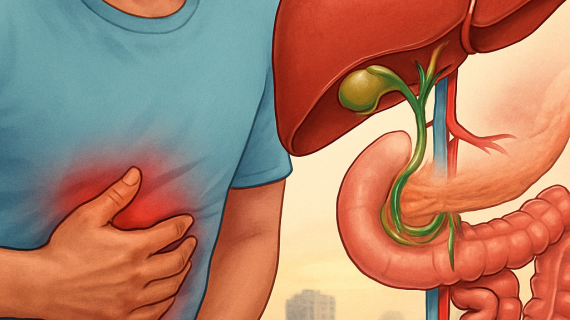
The biliary tract is a network of ducts and organs that work tirelessly to ensure bile flows smoothly from the liver to the intestines. It includes:
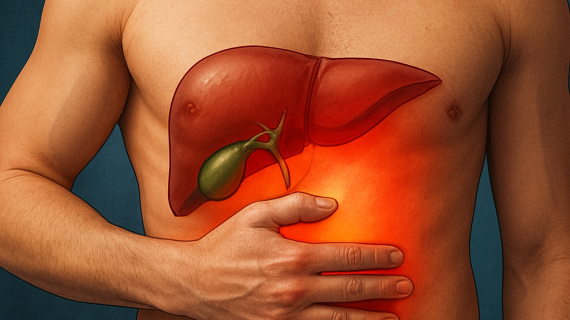
- Liver: The bile-producing powerhouse.
- Gallbladder: The storage unit for bile, releasing it when needed.
- Bile Ducts: The highways for bile transport, connecting the liver and gallbladder to the small intestine.
The Role of Bile
Bile is more than just a digestive fluid; it’s a complex cocktail of acids, cholesterol, and bilirubin. Its primary roles include:
- * Emulsifying fats: Think of it as breaking down those big fat globules into smaller droplets, making them easier to digest.
- * Absorbing vitamins: Fat-soluble vitamins A, D, E, and K need bile to hitch a ride into your bloodstream.
- * Detoxification: Bile helps eliminate waste products from your body.
Without a well-functioning biliary tract, you might experience digestive issues such as bloating or even more severe conditions like gallstones.
Common Disorders Affecting the Biliary Tract
“Now that we’ve established how vital this system is, let’s talk about what can go wrong. Common disorders include:
- Gallstones: Solid particles that form in the gallbladder and can block bile flow.
- Biliary stricture: Narrowing of the bile duct due to injury or inflammation.
- Cholangitis: Infection of the bile duct system that can lead to serious complications.
Understanding these components helps demystify why disorders in this area can lead to significant health issues. So next time you savor something rich or fatty, remember how hard your biliary tract is working behind the scenes!
Common Biliary Tract Disorders: Diagnosis and Symptoms
Did you know that nearly 10-15% of adults will experience gallstones at some point in their lives? That's a staggering number, especially considering many people might not even realize they have them until the symptoms hit like a freight train.
Biliary tract disorders can be sneaky. Picture this: you're enjoying a sumptuous meal, and suddenly, you feel a sharp pain in your upper abdomen. It's not just indigestion; it could be your biliary tract crying out for help. Recognizing the symptoms early can make all the difference in your treatment journey.
Gallstones: The Silent Saboteurs
Gallstones are solid particles that form in the gallbladder, often without warning. They can range from tiny grains to larger stones that resemble pebbles. Many people are blissfully unaware they have them until they start causing trouble. Common symptoms include:
- Intense pain in the upper right abdomen, especially after eating fatty foods.
- Nausea or vomiting.
- Bloating or gas.
Biliary Stricture: The Narrowing Dilemma
Stricture sounds like something out of a medical drama, but it's very real and can lead to serious complications. This condition occurs when the bile duct narrows due to injury or inflammation. Symptoms often mirror those of gallstones but may also include:
- * Jaundice (yellowing of the skin and eyes).
- * Dark urine and pale stools.
- * Itchy skin.
Cholangitis: An Infection Worth Not Ignoring
Cholangitis sounds daunting because it is! This infection of the bile duct system can escalate quickly into life-threatening situations if not addressed promptly. Symptoms typically include:
It's essential to understand these disorders as they can lead to significant health issues if left untreated. Early diagnosis is key; don't hesitate to consult with a healthcare professional if something feels off.
Gallstones: Types, Formation Mechanisms, and Risk Factors
Imagine this: you're at a family gathering, enjoying your favorite fried snacks, when suddenly you’re hit with a sharp pain in your side. That’s not just the guilt of indulging; it could be gallstones making their presence known. Surprisingly, nearly 10-15% of adults will experience gallstones at some point in their lives. That's a staggering statistic!
Types of Gallstones
Gallstones come in two main flavors: cholesterol stones and pigment stones. Cholesterol stones are the most common type, accounting for about 80% of cases. They form when there's too much cholesterol in the bile or not enough bile salts to dissolve it. Think of them as little yellow pebbles that can cause big problems! On the other hand, pigment stones are smaller and darker, made up of bilirubin — a waste product from red blood cells. These usually occur in people with liver cirrhosis or certain blood disorders.
Formation Mechanisms
So how do these pesky stones form? It all boils down to an imbalance in your bile composition. When your liver produces too much cholesterol or bilirubin or when your gallbladder doesn’t empty efficiently, you’re setting the stage for gallstone formation. Imagine a factory that’s overproducing its main product without enough workers to keep things running smoothly — chaos ensues!
- Excess cholesterol leads to crystallization.
- Excess bilirubin can result from liver diseases.
- Inadequate gallbladder contractions prevent proper bile flow.
Risk Factors for Gallstone Development
“Now that we know what gallstones are and how they form, let’s discuss who’s most at risk. Age is a major factor; people over 40 are more susceptible. Women are also more likely than men to develop gallstones—thanks hormones! Obesity is another significant risk factor because extra weight can increase cholesterol levels in bile.
- * Age (over 40)
- * Gender (more common in women)
- * Obesity or rapid weight loss
- * Diet high in fat and cholesterol
- * Family history of gallstones
“Being aware of these risk factors can empower you to make healthier lifestyle choices. If you find yourself nodding along with any of these points, it might be worth discussing with your healthcare provider about preventive measures.
Advanced Imaging Techniques for Biliary Tract Evaluation
When it comes to diagnosing biliary tract disorders, relying solely on traditional methods can be like trying to find a needle in a haystack — in the dark. Advanced imaging techniques have become game changers, allowing surgeons and radiologists to visualize the biliary system with astonishing clarity.
The Power of MRI Cholangiopancreatography (MRCP)
One of the standout tools in the biliary imaging arsenal is MRI Cholangiopancreatography (MRCP). This non-invasive technique uses magnetic resonance imaging to create detailed images of the bile ducts, gallbladder, and pancreatic duct. Imagine being able to see your entire biliary system without any incisions or discomfort — that’s MRCP for you!
Key Advantage: MRCP can detect bile duct obstructions and stones with remarkable precision, often before they cause significant symptoms.
Endoscopic Retrograde Cholangiopancreatography (ERCP): More Than Just Imaging
Next up is Endoscopic Retrograde Cholangiopancreatography (ERCP), which is not just an imaging technique but a diagnostic and therapeutic powerhouse. During an ERCP, a flexible endoscope is inserted through the mouth into the duodenum to visualize the bile ducts directly. If any issues are spotted — like stones or strictures — they can often be addressed right then and there.
- * Effective for diagnosing conditions like cholangitis or pancreatitis.
- * Can facilitate stone removal or stent placement during the same procedure.
Ultrasound: The First Line of Defense
Let’s not forget about ultrasound! Often the first imaging test performed when biliary issues are suspected, ultrasound is quick, cost-effective, and doesn’t involve radiation. It’s particularly good at detecting gallstones and assessing gallbladder inflammation.
Important Note: While ultrasound is excellent for initial evaluations, it may not provide as much detail as MRCP or ERCP for complex cases.
In Dhaka, where access to advanced medical technology continues to improve, these imaging modalities are crucial for effective treatment planning. For patients experiencing symptoms like jaundice or unexplained abdominal pain, these tools offer hope by pinpointing underlying issues swiftly.
Surgical Interventions for Biliary Tract Disorders
When it comes to biliary tract disorders, sometimes the only way out is through — and by that, I mean surgical intervention. For many patients grappling with issues like gallstones or bile duct obstructions, surgery can be a game changer. In fact, nearly 600,000 cholecystectomies (gallbladder removals) are performed annually in the U.S. alone, making it one of the most common surgeries.
Imagine a patient named Rahim who has been living with debilitating abdominal pain due to gallstones. After several failed attempts at managing his symptoms through diet and medication, he finally consults an expert. The verdict? A laparoscopic cholecystectomy is necessary to alleviate his suffering and restore his quality of life.
Types of Surgical Procedures
Understanding the types of surgeries available can empower patients like Rahim to make informed decisions about their health. The most common surgical interventions for biliary tract disorders include:
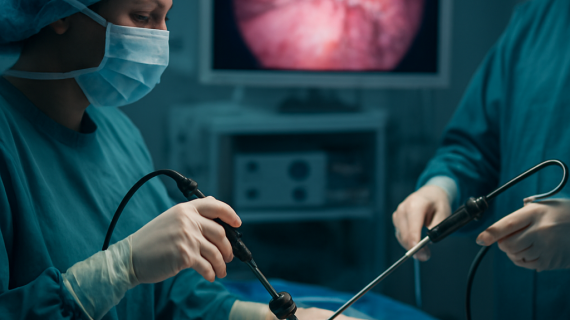
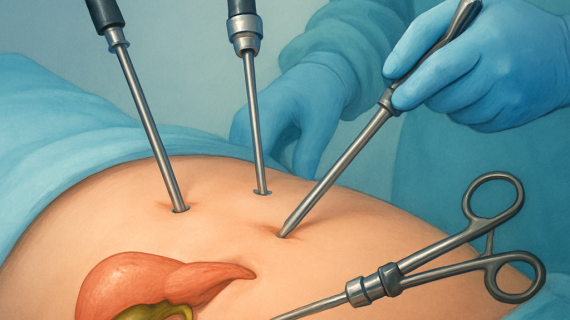
- Laparoscopic Cholecystectomy: A minimally invasive procedure where small incisions are made in the abdomen to remove the gallbladder.
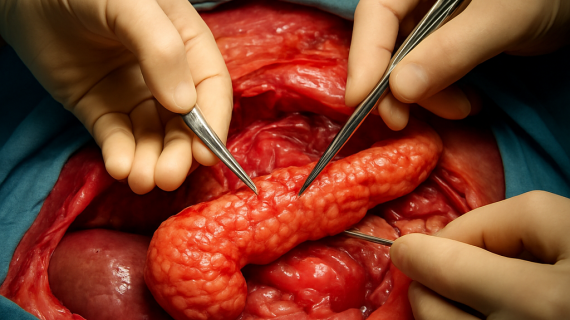
- Open Cholecystectomy: A more traditional approach that involves a larger incision; typically reserved for complicated cases.
- Endoscopic Retrograde Cholangiopancreatography (ERCP): Not just diagnostic but also therapeutic; stones can be removed during this procedure.
Laparoscopic surgery often results in less postoperative pain and quicker recovery times compared to open surgery.
Why Surgery Might Be Necessary
But why surgery? you might ask. The reality is that some conditions simply cannot be managed effectively with non-surgical methods. Take biliary strictures, for example. These narrowings can lead to severe complications if left untreated, including infections like cholangitis or even liver damage.
In such cases, surgical intervention not only alleviates immediate symptoms but also addresses the underlying issue — restoring normal bile flow and preventing future complications. This proactive approach is crucial in maintaining overall health.
'What to Expect Post-Surgery
Now let’s address the elephant in the room: recovery. Most patients can expect a brief hospital stay followed by several weeks of recuperation at home. With laparoscopic procedures, many are back on their feet within days!
- Day of Surgery: You’ll likely spend several hours in recovery before heading home.
- First Week: Rest is key! Light activities are encouraged while avoiding heavy lifting.
- Follow-Up: A follow-up appointment will help monitor your healing process and address any concerns.
If you’re experiencing persistent symptoms related to your biliary tract, don’t hesitate to consult with a specialist like Dr. Murshidul Arefin at Popular Medical College Hospital in Dhanmondi. Early intervention could make all the difference!
Non-Surgical Treatment Modalities for Biliary Conditions
If you think surgery is the only way to tackle biliary tract issues, think again! Non-surgical treatment modalities have come a long way and can often provide effective solutions without the need for an operating room.
Consider a patient named Amina, who was diagnosed with gallstones but wasn't quite ready to jump into surgery. Instead, her doctor recommended a combination of non-surgical options that helped manage her symptoms and improve her quality of life.
Medications: The First Line of Defense
Medications play a crucial role in managing biliary conditions. For instance, ursodeoxycholic acid (UDCA) is often prescribed to dissolve cholesterol gallstones. It works by reducing cholesterol levels in bile, making it easier for the body to break down these pesky stones. While not an instant fix, it can be effective for patients who are not candidates for surgery.
Endoscopic Treatments: A Minimally Invasive Approach
Endoscopic techniques have revolutionized how we treat biliary disorders without resorting to full-blown surgery. For example, Endoscopic Retrograde Cholangiopancreatography (ERCP) not only helps diagnose conditions but can also be therapeutic. During ERCP, doctors can remove stones from the bile duct or place stents to alleviate blockages. This approach is particularly beneficial for patients experiencing acute complications.
- * Effective in treating bile duct obstructions.
- * Can relieve symptoms associated with cholangitis.
- * Often performed on an outpatient basis.
'Lifestyle Modifications: Small Changes, Big Impact
'Sometimes the best medicine comes in the form of lifestyle changes. Adjusting your diet can significantly impact biliary health. Incorporating more fiber-rich foods while reducing saturated fats can help manage cholesterol levels and prevent gallstone formation.
Regular exercise and maintaining a healthy weight also contribute to better bile flow and overall digestive health.
'In Dhaka, where access to healthcare is evolving rapidly, these non-invasive approaches offer hope for many individuals dealing with biliary issues. If you're unsure about your treatment options, consult with a specialist like Dr. Murshidul Arefin at Popular Medical College Hospital to explore what might work best for you.'
Postoperative Care and Long-term Management Strategies
After surgery for biliary tract disorders, the real work begins. Think of it like finishing a marathon — you’ve crossed the finish line, but now you need to recover and prepare for the next race. Postoperative care is crucial for ensuring not just a smooth recovery, but also long-term health.
Immediate Postoperative Care
In the hours following surgery, your body will be in recovery mode. Expect to spend some time in the recovery room where medical staff will monitor your vital signs and manage any pain. This is not just a formality; it’s an essential step to ensure everything went as planned.
- Pain Management: Your doctor will prescribe medications to manage postoperative pain effectively.
- Monitoring: Regular checks on your blood pressure, heart rate, and temperature are essential during this stage.
- Fluid Intake: You may start with clear liquids before gradually introducing solid foods as tolerated.
'What to Expect at Home
'Once you’re home, things can feel overwhelming. You might be eager to return to your daily routine, but patience is key. Recovery from biliary surgery can take several weeks. During this period, consider these strategies:
- 'Follow-Up Appointments: Keep all scheduled follow-ups with your surgeon to monitor healing.
- 'Diet Adjustments: Gradually reintroduce foods into your diet. Start with bland options before moving back to your usual meals.
- 'Activity Level: Avoid strenuous activities for at least four to six weeks post-surgery. Light walks can help promote circulation without overexerting yourself.
Listen to Your Body: If something doesn’t feel right, don’t hesitate to reach out to your healthcare provider.
'Long-term Management Strategies
'Once you’re past the immediate recovery phase, it’s essential to adopt long-term strategies that promote biliary health and prevent future complications. Here are some key approaches:
- Regular Check-Ups: Routine evaluations can help catch any issues early.
- Healthy Diet: Focus on a balanced diet rich in fiber while limiting saturated fats and cholesterol.
- Hydration: Staying well-hydrated aids digestion and bile production.
In Dhaka, where access to expert care is becoming more prevalent, don't underestimate the importance of following these guidelines post-surgery. Dr. Murshidul Arefin at Popular Medical College Hospital emphasizes that proactive management can lead not only to a smoother recovery but also significantly improve your quality of life in the long run.
Emerging Research Trends in Biliary Tract Disorders
Recent studies suggest that nearly 30% of patients with biliary tract disorders are misdiagnosed at their initial visits. This staggering statistic highlights the urgent need for more precise diagnostic tools and treatment protocols.
One of the most exciting areas of research is the development of biomarkers for early detection of biliary tract cancers. Imagine a simple blood test that could indicate the presence of a tumor before it manifests symptoms, potentially saving lives through early intervention. This isn't just wishful thinking; ongoing studies are showing promise in identifying specific proteins correlated with biliary malignancies.
Advancements in Imaging Techniques
While traditional imaging methods like ultrasound and CT scans have served us well, researchers are pushing boundaries with enhanced imaging technologies. For instance, advancements in MRI techniques are allowing for better visualization of bile duct structures and abnormalities. These improvements could lead to more accurate diagnoses and tailored treatment plans, especially for complex cases involving strictures or tumors.
Innovative Surgical Approaches
Surgical techniques are also evolving. The introduction of robotic-assisted surgeries is revolutionizing how we approach biliary tract disorders. These minimally invasive procedures not only reduce recovery times but also improve precision during surgery, leading to better patient outcomes. Imagine being able to undergo a complex gallbladder removal with just a few tiny incisions — that’s the future we’re heading towards!
Patient-Centric Research
'Another trend gaining traction is patient-centered research that focuses on understanding quality of life after treatment. Studies are increasingly looking at how surgical interventions impact daily living, allowing healthcare providers to tailor post-operative care plans that truly address patients’ needs and concerns. This shift towards holistic care ensures that patients like you aren’t just statistics but active participants in their health journey.
Surgical Interventions for Biliary Tract Disorders
When it comes to biliary tract disorders, sometimes the only way out is through — and by that, I mean surgical intervention. For many patients grappling with issues like gallstones or bile duct obstructions, surgery can be a game changer. In fact, nearly 600,000 cholecystectomies (gallbladder removals) are performed annually in the U.S. alone, making it one of the most common surgeries.
Imagine a patient named Rahim who has been living with debilitating abdominal pain due to gallstones. After several failed attempts at managing his symptoms through diet and medication, he finally consults an expert. The verdict? A laparoscopic cholecystectomy is necessary to alleviate his suffering and restore his quality of life.
Types of Surgical Procedures
Understanding the types of surgeries available can empower patients like Rahim to make informed decisions about their health. The most common surgical interventions for biliary tract disorders include:
- Laparoscopic Cholecystectomy: A minimally invasive procedure where small incisions are made in the abdomen to remove the gallbladder.
- Open Cholecystectomy: A more traditional approach that involves a larger incision; typically reserved for complicated cases.
- Endoscopic Retrograde Cholangiopancreatography (ERCP): Not just diagnostic but also therapeutic; stones can be removed during this procedure.
Laparoscopic surgery often results in less postoperative pain and quicker recovery times compared to open surgery.
Why Surgery Might Be Necessary
But why surgery? you might ask. The reality is that some conditions simply cannot be managed effectively with non-surgical methods. Take biliary strictures, for example. These narrowings can lead to severe complications if left untreated, including infections like cholangitis or even liver damage.
'In such cases, surgical intervention not only alleviates immediate symptoms but also addresses the underlying issue — restoring normal bile flow and preventing future complications. This proactive approach is crucial in maintaining overall health.
'What to Expect Post-Surgery
'Now let’s address the elephant in the room: recovery. Most patients can expect a brief hospital stay followed by several weeks of recuperation at home. With laparoscopic procedures, many are back on their feet within days!
If you’re experiencing persistent symptoms related to your biliary tract, don’t hesitate to consult with a specialist like Dr. Murshidul Arefin at Popular Medical College Hospital in Dhanmondi. Early intervention could make all the difference!