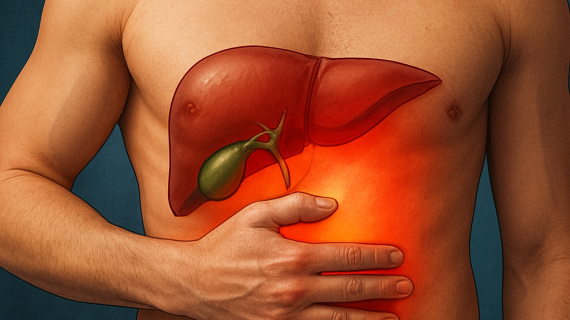
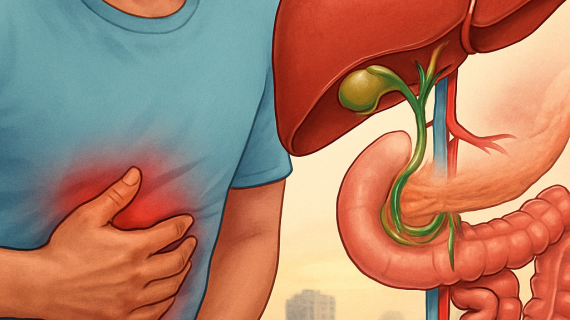
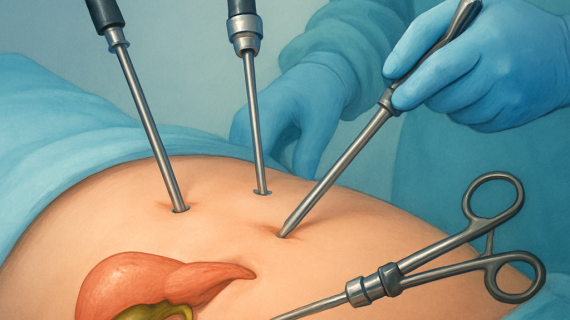
When gallstones, biliary disease, liver tumors or pancreatic problems arise, the central question for patients and doctors is whether medical treatment will control disease or surgery offers the better chance of cure. This post walks through the diagnostic steps, objective decision points, and non-surgical alternatives used in Dhaka — from ERCP and stents to TACE, RFA, and systemic therapy — so you know when surgery is truly needed. You will also learn what to bring and what to expect at a consultation with Dr Murshidul Arefin at Popular Medical College Hospital, Dhanmondi.
1 Diagnostic pathway and clinical assessment used in Dhaka
Triage first. The practical decision between immediate medical treatment and planned surgery is set at the first contact: stabilise infection and obstruction, then collect the information that determines resectability and physiologic reserve. In Dhaka this sequence reduces unnecessary operations performed on patients who are septic, coagulopathic, or functionally unfit.
Stepwise diagnostic pathway used in practice
- Focused clinical assessment: document red flags (high fever, progressive jaundice, severe pain, altered mental status) and a concise surgical history.
- Targeted labs: rapid
LFTs, CBC, coagulation profile and, where cancer is suspected,AFPandCA 19-9to guide urgency and staging. - Rapid imaging: point-of-care ultrasound for stones or biliary dilation, then cross-sectional imaging (triple-phase CT or MRI/MRCP) to map tumors or bile ducts.
- Immediate interventions when needed: intravenous antibiotics and resuscitation, urgent ERCP or PTBD for biliary sepsis before any elective plan.
- Functional and risk assessment: Child Pugh and MELD for liver disease, ASA and performance status for operative risk.
- Multidisciplinary review: brief tumour board or surgeon-led case review to choose medical treatment, endoscopy, interventional radiology, or resection.
Key judgment: scoring systems matter but do not replace clinical synthesis. Child Pugh and MELD quantify liver function, and TNM/BCLC describe tumor anatomy, yet a patient with borderline scores can still be a safe surgical candidate after optimisation. Conversely, a technically resectable lesion is not acceptable if the liver remnant or comorbidities predict high perioperative mortality.
Imaging trade-off to accept in Dhaka: MRI/MRCP gives the best biliary roadmap, but MRI access and cost create delays. In emergencies we rely on contrast CT for staging and proceed to ERCP; for elective oncologic planning we push for MRI when the decision could change treatment. Understand that imaging availability often dictates whether the next step is medical treatment or surgery.
Concrete example: A 56-year-old patient arrives with fever, jaundice and abdominal pain. At Popular Medical College Hospital the team starts IV antibiotics, orders urgent bloodwork and ultrasound, and performs ERCP the same day to relieve obstruction; only after biliary decompression and repeat imaging does the team decide between definitive cholecystectomy, stent maintenance, or oncologic referral.
Practical limitation patients should know: missing prior imaging or incomplete labs often forces repeat tests and delays definitive care. Bring original scans on CD/USB, a list of medications, and previous discharge summaries to avoid being shifted from a surgical pathway to prolonged medical treatment while records are reassembled. If you cannot produce records, expect extra preoperative tests and possible postponement.
Important: emergency management (stabilisation and biliary drainage) changes short-term mortality; the later decision for surgery or ongoing medical treatment follows only after reliable staging and functional assessment.
Next consideration: after stabilisation the pathway splits toward definitive surgical assessment or planned medical/interventional therapy; the choice depends on staging, liver function and the multidisciplinary judgment made at that second visit.
2 Medical treatment options and when they are preferred
Quick principle: medical treatment is chosen when the immediate goal is stabilisation, symptom control, or when surgery offers unacceptable risk or no clear survival advantage. Medical therapy rarely aims for long-term cure in advanced hepatobiliary or pancreatic cancer; its role is to make surgery possible, relieve obstruction, or palliate.
Non-surgical modalities and the clinical situations that favour them
Targeted decompression: ERCP with biliary stent or PTBD is the default when obstruction causes sepsis or cholestatic liver failure and the patient cannot tolerate an immediate operation. In Dhaka this is the fastest route to stabilise a patient and avoid perioperative mortality.
- Acute cholangitis: urgent antibiotics plus ERCP (first line) or PTBD for inaccessible ducts.
- Symptomatic but low-risk gallstones: conservative measures or delayed elective laparoscopic cholecystectomy when comorbidity is high; surgery remains definitive for recurrent symptoms.
- Small HCC or patients unfit for resection: local ablation (RFA) or stereotactic options as curative-intent alternatives when liver function is marginal.
- Intermediate-stage HCC: transarterial therapies (TACE/TARE) as tumour control or bridge to transplant/resection.
- Pancreatic cancer: neoadjuvant chemotherapy for borderline resectable tumours to downstage disease; palliative chemotherapy for unresectable metastatic disease.
- Palliation and quality of life: biliary stents, pain management, nutritional support and coordinated hospice care when cure is not realistic.
Practical trade-off: choosing a non-surgical route often trades potential cure for safer short-term outcomes. In practice at Popular Medical College Hospital we pursue medical options when they preserve function and buy time for oncologic staging or optimisation — but we avoid prolonged medical-only management when a clear chance for curative resection exists.
Resource and timing constraint: advanced interventional radiology, access to immunotherapy, and repeat TACE sessions are available in Dhaka but unevenly distributed and cost-sensitive. Patients should ask early about availability and likely schedule because delays while arranging TACE or systemic drugs often convert a resectable case into an unresectable one.
Concrete example: A 63-year-old with a 3.5 cm solitary HCC and Child Pugh B arrives with mild ascites; because his liver reserve is marginal, the team performs TACE to control tumour growth and improves nutrition/support, then re-evaluates for resection or ablation in 6–8 weeks. That staged approach avoids an immediate high-risk hepatectomy and preserves a realistic chance of cure if the liver recovers.
Non-surgical care is not simply a stopgap; when used correctly it is a strategic bridge to surgery or a focused palliative plan that preserves quality of life.
Next consideration: when non-surgical therapy is proposed, insist on a clear plan: goals (stabilise, bridge, palliate), measurable checkpoints, and what changes would trigger surgery — that clarity prevents medical management from becoming indefinite delay.
3 Surgical options and advances offered at Popular Medical College Hospital
Direct statement: Popular Medical College Hospital provides a full surgical spectrum for hepatobiliary and pancreatic disease – from straightforward laparoscopic cholecystectomy to complex hepatic and pancreatic resections coordinated with interventional radiology and oncology. When a lesion is technically resectable and the patient has adequate physiologic reserve, surgical treatment remains the option most likely to offer long term control or cure.
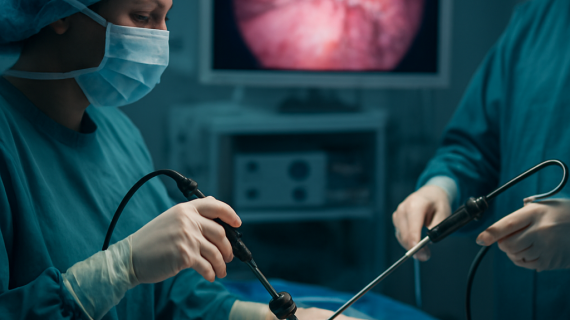
Key surgical services available: The team performs laparoscopic cholecystectomy for symptomatic gallstones, formal liver resections (segmental, wedge, lobectomy) using intraoperative ultrasound for margin mapping, and biliary reconstruction including hepaticojejunostomy for strictures. For pancreatic disease the unit offers pancreaticoduodenectomy (Whipple) and distal pancreatectomy with attention to perioperative nutrition and drain management. Major resections are managed with dedicated ICU support, blood-bank coordination, and stepwise rehabilitation.
Minimally invasive and staged approaches that matter
Advances in practice: Laparoscopic liver resection and hybrid plans that combine surgery with preoperative interventional techniques expand who can safely undergo resection. For example, portal vein embolization (PVE) is offered to increase the future liver remnant before major hepatectomy, and percutaneous ablation is used as a curative alternative for small lesions when reserve is limited. These options increase resectability but require close coordination between surgery and interventional radiology.
Practical trade off: Minimally invasive approaches shorten hospital stay and reduce wound complications, but they demand an experienced team and appropriate case selection. If the surgical team lacks sufficient volume or the tumour involves major vessels, conversion to open surgery or choosing an open approach up front may be the safer oncologic choice.
Concrete example: A 62 year old patient with a solitary 4 cm right lobe hepatocellular carcinoma and marginal functional reserve underwent PVE followed by right hepatectomy three weeks later at Popular Medical College Hospital. The staged plan increased the future liver remnant, avoided postoperative liver failure, and allowed definitive resection with an uneventful recovery.
What patients should ask: Before consenting, confirm whether the surgeon routinely performs the proposed operation and how often the hospital manages similar cases, whether PVE or intraoperative ultrasound is available, and what postoperative ICU and blood product arrangements exist. These logistics affect outcomes as much as the operation itself. See services for clinic details and appointment steps.
4 How doctors decide the best path clinical decision framework
Central rule: clinicians separate immediate stabilisation from definitive intent. First they ask two practical questions: will removing the disease now improve survival or symptoms more than medical alternatives, and can the patient tolerate the operation given liver function and comorbidity. Those two questions drive whether treatment begins with medical measures, an interventional procedure, or direct surgical treatment.
Clinicians run through five checkpoint assessments in sequence. Diagnosis integrity – confirm the lesion or obstruction with the best available imaging and targeted biopsy when needed. Physiologic reserve – quantify liver performance and cardiorespiratory risk. Resectability and oncologic benefit – does removal give meaningful margin negative resection without leaving insufficient liver? Timing and logistics – can the hospital and teams deliver surgery within a safe window or will delay turn a resectable case into unresectable? Patient context – social support, financial capacity, and goals of care often decide between aggressive surgery and palliative medical treatment.
Objective thresholds that change the recommended path
| Decision node | Clinical implication |
|---|---|
| Child Pugh A vs B-C | Child Pugh A usually permits curative liver resection; B or C shifts preference to ablation, staged therapy, or non surgical management |
| Vascular invasion on imaging | Major vessel encasement commonly rules out straightforward resection and favours neoadjuvant therapy or palliative care |
| Acute cholangitis with sepsis | Priority is rapid biliary decompression by ERCP or PTBD before any elective surgical plan |
| Poor performance status or severe comorbidity | Medical treatment or minimally invasive palliation is safer than major resection |
Practice insight: a technically resectable tumour is not a good candidate if the expected postoperative recovery would leave the patient with poor quality of life or high mortality risk. Conversely, borderline physiologic scores can be improved with optimisation and staged approaches so rule of thumb decisions must not be reflexive.
Concrete example: a 54 year old patient in Dhaka has a pancreatic head mass abutting the superior mesenteric vein but no distant spread. At Popular Medical College Hospital the case goes to the multidisciplinary team. The team recommends biopsy followed by neoadjuvant chemotherapy to shrink the tumour and reassess vascular involvement, with a planned Whipple only if imaging after two cycles shows sufficient downstaging.
Do not accept indefinite medical management without milestones. Ask for a timeline with measurable checkpoints that will trigger surgery or a formal change to palliative care.
Final judgement: the right path blends objective thresholds with realistic logistics and patient goals. In Dhaka the most common failure is unclear timelines and fragmented communication between teams. Push for a documented plan so medical treatment serves as a bridge or palliation rather than a permanent substitute for needed surgery.
5 Risks, expected outcomes, and recovery comparisons
Bottom line: surgical treatment typically increases short term physiologic risk but gives the best chance at long term disease control for resectable hepatobiliary and pancreatic lesions; medical treatment and endoscopic/interventional care reduce immediate danger and preserve options, but they often require repeated procedures and lifelong surveillance.
Short term surgical risks: bleeding, wound or intraabdominal infection, bile leak, postoperative liver insufficiency, and cardiopulmonary complications from anesthesia. The real-world hazard profile is not a fixed number but a function of liver reserve, nutritional state, tumour complexity, and institutional experience.
Long term trade offs to consider: resection can lower recurrence and improve survival for appropriate tumours, yet it may also produce chronic effects such as biliary strictures, reduced liver capacity, or endocrine/exocrine insufficiency after pancreatic surgery. Medical-only pathways avoid immediate functional loss but increase the probability of repeat biliary interventions, stent exchanges, and progressive disease requiring palliative care.
Recovery comparisons and common complications
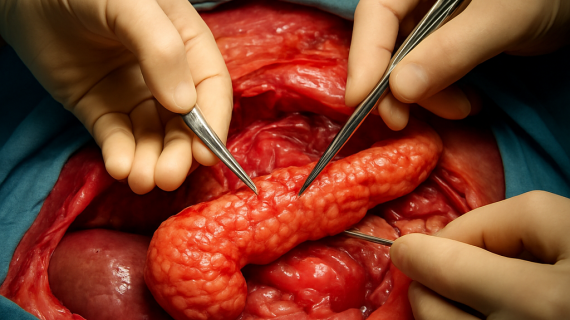
Minimally invasive operations and focused endoscopic procedures differ sharply in recovery and resource needs. A laparoscopic cholecystectomy or single-session ERCP usually needs brief observation and rapid return to daily activity. Major hepatic or pancreatic resections require planned inpatient support, active nutritional management, and staged rehabilitation; complications like bile leak, intraabdominal collection, or delayed gastric emptying extend convalescence and may need readmission.
- Factors that prolong recovery: preoperative malnutrition, uncontrolled diabetes, extensive tumour involvement of vascular structures, preexisting liver dysfunction, and postoperative infections
- Practical consequence: these factors increase the chance of reintervention, ICU time, and delayed adjuvant therapy when cancer is present
Concrete example: A patient in Dhaka presented with obstructive jaundice from a distal bile duct tumour. The team at Popular Medical College Hospital performed ERCP and stenting to stabilise bilirubin, delivered neoadjuvant chemotherapy, and then proceeded to a planned Whipple operation once optimization goals were met. Recovery required staged nutrition and a two week inpatient rehabilitation plan before safe discharge home with outpatient surveillance.
Judgment clinicians should make explicit: do not accept indefinite non surgical management without milestones. Medical and interventional care must be framed as stabilization, bridge to surgery, or definitive palliation with measurable checkpoints. Otherwise delays, repeated stenting, and fragmented imaging commonly convert a potentially curative situation into an incurable one.
Prioritize a documented plan. Short term safety is important but a clearly defined pathway with timelines determines whether medical treatment protects or merely delays a curative surgical opportunity.
6 Practical logistics for patients in Dhaka seeking care
Practical reality: the logistics you handle before the first clinic visit often determine whether you proceed quickly to definitive surgical treatment or end up on repeated rounds of medical management. Book tests, assemble records, and confirm referral pathways before you arrive — that effort shortens decision time and reduces the chance a potentially curative operation is delayed.
What to bring and what to organise before the appointment
Essential documents: original imaging (CT/MRI/US) on CD or USB, printed reports, operative notes if any, discharge summaries, and a complete medication list. Incomplete records are the single most common cause of duplicated tests and postponed treatment.
- Baseline tests to have ready: recent LFTs, CBC, coagulation profile, AFP or CA 19-9 if done
- Contact details: phone numbers for your referring doctor and any prior treating physicians
- Practical items: a family member who can answer social/support questions and insurance or payment documentation
Appointment logistics and timing trade-off: specialist clinics in Dhanmondi run busy lists. If your case is cancer-related insist on an expedited slot or a telemedicine triage consult so imaging and labs can be prioritised. Waiting for a routine outpatient opening is acceptable for simple gallstones but dangerous for obstructive jaundice or suspected malignancy — speed matters.
Financial and scheduling realities: advanced investigations and interventional procedures are available across Dhaka but not uniformly. Ask at booking whether the hospital can perform MRCP, ERCP, TACE, or PVE on-site and whether staging therapies have waiting lists. If a necessary test or therapy is delayed for cost or availability, get a written plan of alternatives and timelines to avoid open-ended medical-only management.
Second opinion workflow: bring the same complete package to the second opinion. Request a concise written assessment that states: recommended next test, target dates for intervention, and what findings would change the plan. A documented second opinion speeds referral and gives leverage when arranging operating dates or insurance approvals.
Concrete Example: a family brought CDs of prior CT scans, lab results, and a referral letter to Popular Medical College Hospital. The team performed a one-hour tele-triage, scheduled an urgent MRCP the next day, and booked an ERCP within 48 hours; in two weeks the case moved from stabilisation to a planned resection rather than repeated stenting. That sequence preserved resectability.
Practical next step: use contact to request a telemedicine triage if you have urgent jaundice or suspected cancer, and review available services at services so you know which investigations are in-house before you travel to Dhanmondi.
7 How patients should prepare questions and make shared decisions
Start with the decision you want. Before the clinic visit decide whether your priority is symptom control now, a realistic chance of cure, or avoiding major surgery. That single choice determines which questions are most important and prevents discussions from drifting into procedural detail that does not change the clinical direction.
How to structure your questions for a productive consultation
Three question buckets matter. Clinical facts (diagnosis, options and risks), timing and logistics (how fast can treatment start, who coordinates), and personal impact (recovery timeline, long term function, costs). Ask one example question from each bucket and insist on a measurable answer.
| Question to ask | What to listen for |
|---|---|
| What are my realistic options here and why do you recommend one over the others? | A clear rationale that links imaging and liver function to the recommended pathway rather than generic reassurance |
| If we choose non surgical treatment, what are the checkpoints and exact dates for re-evaluation? | Specific timing such as CT after two chemo cycles or stent review at 6 weeks and the trigger that will move to surgery |
| What immediate risks and likely long term effects should I expect? | Concrete complications with probabilities and the likely impact on daily life so you can compare trade offs |
| How many of these procedures does the surgeon perform each year and what support services are available here? | A number or range, plus confirmation of ICU, interventional radiology and blood-bank backup |
| What will this cost and who arranges approvals or insurance paperwork? | An estimate or range and the named person or office handling scheduling and finance |
Concrete example: A 59 year old man with a borderline resectable pancreatic tumor was offered neoadjuvant chemotherapy. At Popular Medical College Hospital the team documented a CT re-assessment after two cycles and a provisional surgery date window. That written timetable prevented an open ended delay that would have erased his chance at curative resection.
Practical judgment: Patients often fixate on survival percentages. In practice the more useful questions are about timelines, measurable checkpoints, and named responsibility. A surgeon willing to schedule re-evaluation and put milestones on paper is more reliable than one who gives verbal assurance without dates.
- Before the visit: prepare two short goals and three priority questions so the consultation stays focused.
- During the visit: ask for a written plan that states the next test, the date for re-evaluation, and who will coordinate care.
- After the visit: photograph or scan the written plan and send it to your referring physician; request a telemedicine follow up if imaging or labs are delayed.