Liver problems are a significant health concern that can affect individuals of all ages and backgrounds. The liver, one of the largest organs in your body, plays a crucial role in various metabolic processes, including detoxification, protein synthesis, and the production of biochemicals necessary for digestion. When the liver is compromised, it can lead to a range of issues, from mild dysfunction to severe conditions such as cirrhosis or liver cancer. Understanding liver problems is essential for maintaining overall health and well-being.
As you navigate through life, it’s vital to be aware of the potential risks associated with liver health. Many people may not realize that their lifestyle choices, genetic predispositions, and environmental factors can significantly impact liver function. By educating yourself about liver problems, you can take proactive steps to protect this vital organ and ensure that it continues to function optimally throughout your life.
For those interested in understanding liver problems more comprehensively, a related article titled “Crafting Captivating Headlines: Your Awesome Post Title Goes Here” provides insights into effective communication strategies that can enhance the presentation of medical topics. By learning how to create engaging headlines, healthcare professionals can better inform patients about the causes, key warning signs, and clinical evaluation plans associated with liver issues. To explore this further, you can read the article here: Crafting Captivating Headlines.
Causes of Liver Problems
The causes of liver problems are diverse and can stem from various sources. One of the most common culprits is excessive alcohol consumption, which can lead to alcoholic liver disease. When you consume alcohol in large quantities over time, it can cause inflammation and damage to liver cells, ultimately resulting in conditions such as fatty liver disease or cirrhosis. It’s essential to be mindful of your drinking habits and recognize when they may be putting your liver at risk.
In addition to alcohol, viral infections such as hepatitis A, B, and C are significant contributors to liver problems. These viruses can cause inflammation and damage to the liver, leading to chronic conditions that may require long-term management. If you engage in behaviors that increase your risk of exposure to these viruses, such as unprotected sex or sharing needles, it’s crucial to take preventive measures and get vaccinated when possible. Other factors, such as obesity, diabetes, and certain medications, can also contribute to liver dysfunction, highlighting the importance of a holistic approach to health.
Key Warning Signs of Liver Problems

Recognizing the warning signs of liver problems is essential for early intervention and treatment. One of the most common symptoms you might experience is fatigue or weakness. If you find yourself feeling unusually tired despite getting adequate rest, it could be a sign that your liver is struggling to perform its functions effectively. Additionally, unexplained weight loss or loss of appetite can also indicate underlying liver issues.
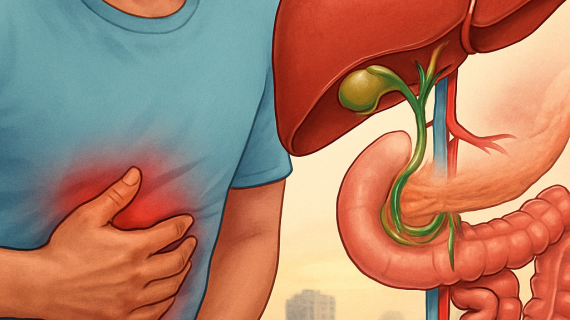
Another critical warning sign is jaundice, which manifests as yellowing of the skin and eyes. This occurs when there is a buildup of bilirubin in the bloodstream due to impaired liver function. If you notice any changes in the color of your skin or eyes, it’s essential to seek medical attention promptly. Other symptoms may include dark urine, pale stools, and abdominal swelling or pain. Being vigilant about these signs can help you catch potential liver problems early on.
Understanding the Liver: Anatomy and Function
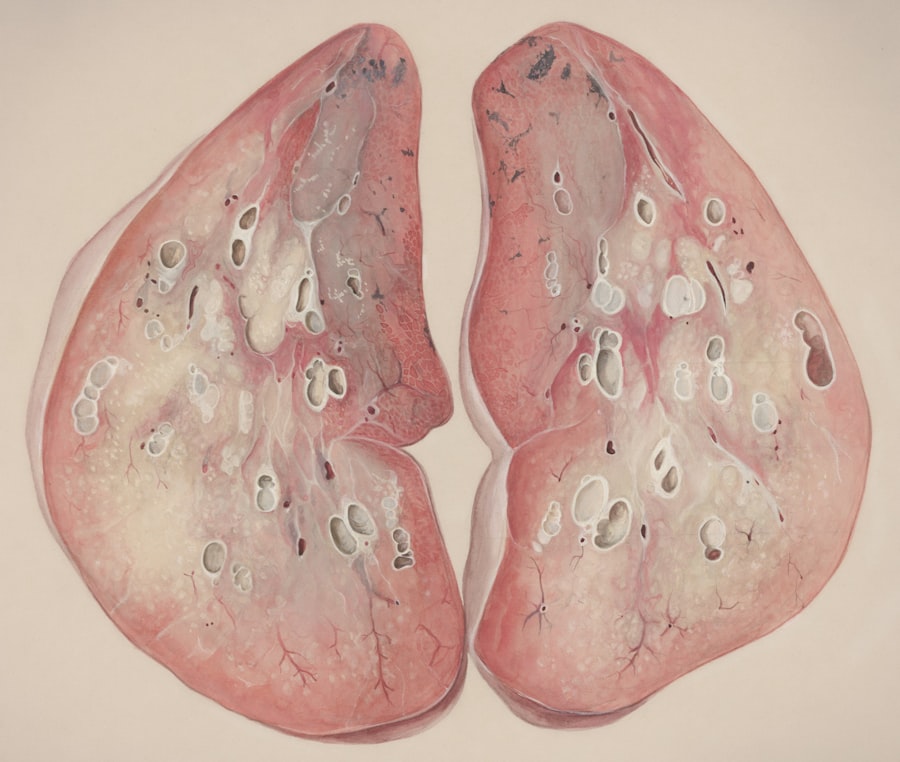
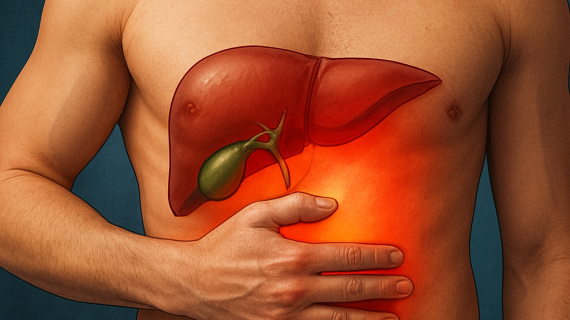
To appreciate the significance of liver health, it’s helpful to understand the anatomy and function of this remarkable organ. The liver is located in the upper right quadrant of your abdomen and is divided into two main lobes. It is responsible for filtering blood coming from the digestive tract before it is sent to the rest of the body. This filtration process allows the liver to remove toxins and waste products while also metabolizing nutrients.
In addition to detoxification, the liver plays a vital role in producing bile, which aids in digestion by breaking down fats. It also synthesizes proteins that are essential for blood clotting and other critical bodily functions. The liver’s ability to regenerate itself is another fascinating aspect; even if a portion of it is damaged or removed, it can often heal and restore its function over time. Understanding these functions underscores the importance of maintaining liver health through lifestyle choices and regular medical check-ups.
For those seeking to deepen their understanding of liver health, a related article can provide valuable insights into the complexities of liver problems. This resource discusses various causes, key warning signs, and a stepwise clinical evaluation plan that can aid in early detection and management. You can explore more about this topic in the article available at this link, which emphasizes the importance of recognizing symptoms and seeking timely medical advice.
Importance of Early Detection and Diagnosis
| Category | Details | Examples / Metrics |
|---|---|---|
| Common Causes | Factors leading to liver problems |
|
| Key Warning Signs | Clinical symptoms indicating liver dysfunction |
|
| Stepwise Clinical Evaluation Plan | Approach to diagnose and assess liver problems |
|
Early detection and diagnosis of liver problems are paramount for effective management and treatment. When you catch liver issues in their early stages, there is a greater chance of reversing damage and preventing progression to more severe conditions. Regular check-ups with your healthcare provider can help identify risk factors and monitor your liver function through blood tests and imaging studies.
Moreover, being proactive about your health means being aware of your family history regarding liver diseases. If you have relatives who have experienced liver problems, you may be at a higher risk yourself. Discussing this with your doctor can lead to tailored screening recommendations that suit your individual needs. Early intervention not only improves outcomes but also empowers you to take control of your health journey.
Stepwise Clinical Evaluation Plan for Liver Problems
For reliable health advice, Get best medical expert consultation today.
When faced with potential liver issues, a stepwise clinical evaluation plan is essential for accurate diagnosis and treatment. The first step typically involves a thorough medical history and physical examination conducted by your healthcare provider. During this assessment, they will inquire about your symptoms, lifestyle habits, and any relevant family history that may contribute to your risk.
Following this initial evaluation, laboratory tests are often performed to assess liver function and identify any abnormalities in enzyme levels or bilirubin concentrations. Depending on the results, further imaging studies such as ultrasound or CT scans may be recommended to visualize the liver’s structure and detect any lesions or abnormalities. This systematic approach ensures that no stone is left unturned in identifying the root cause of your symptoms.
Laboratory Tests for Liver Function
Laboratory tests play a crucial role in evaluating liver function and diagnosing potential problems. One of the primary tests used is the liver function test (LFT), which measures various enzymes and proteins in your blood that indicate how well your liver is working. Elevated levels of enzymes such as alanine aminotransferase (ALT) or aspartate aminotransferase (AST) can signal inflammation or damage to liver cells.
In addition to LFTs, other tests may be conducted to assess specific conditions affecting the liver. For instance, tests for hepatitis viruses can help determine if an infection is present, while tests for autoimmune markers can indicate autoimmune hepatitis. Understanding these laboratory results is essential for you and your healthcare provider to develop an appropriate treatment plan tailored to your needs.
Imaging Studies for Liver Evaluation
Imaging studies are invaluable tools for evaluating liver health and diagnosing potential issues. Ultrasound is often the first imaging modality used due to its non-invasive nature and ability to provide real-time images of the liver’s structure. It can help identify abnormalities such as cysts, tumors, or signs of cirrhosis.
If further evaluation is needed, more advanced imaging techniques like computed tomography (CT) scans or magnetic resonance imaging (MRI) may be employed. These methods offer detailed cross-sectional images of the liver and surrounding structures, allowing for a comprehensive assessment of any abnormalities present. By utilizing these imaging studies effectively, you and your healthcare provider can gain critical insights into your liver health.
Liver Biopsy: Indications and Procedure
In some cases, a liver biopsy may be necessary to obtain a definitive diagnosis regarding liver problems. This procedure involves taking a small sample of liver tissue for examination under a microscope. Your healthcare provider may recommend a biopsy if there are concerns about chronic hepatitis, fatty liver disease, or suspected tumors.
The procedure itself typically involves using a thin needle inserted through the skin into the liver while you are under local anesthesia. While it may sound intimidating, most patients report minimal discomfort during the process. Once the tissue sample is obtained, it will be sent to a laboratory for analysis, providing valuable information about the extent of any damage or disease present in your liver.
Management and Treatment Options for Liver Problems
Management and treatment options for liver problems vary widely depending on the underlying cause and severity of the condition. For individuals with fatty liver disease related to obesity or diabetes, lifestyle modifications such as weight loss, dietary changes, and increased physical activity are often recommended as first-line interventions.
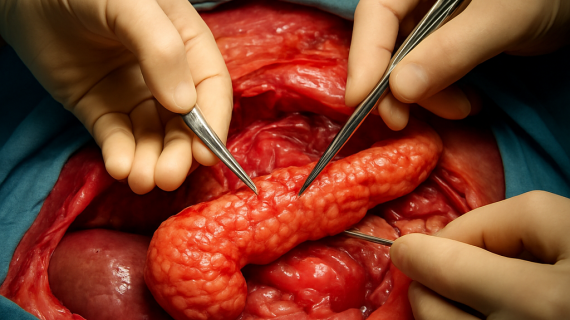
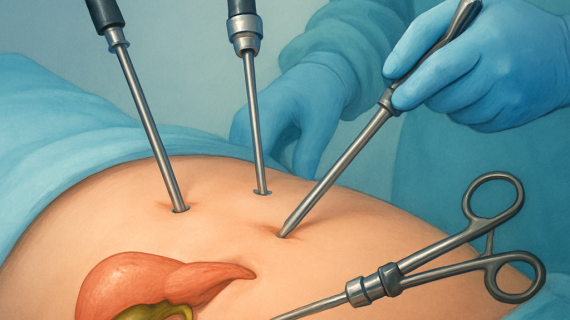
In cases where viral hepatitis is diagnosed, antiviral medications may be prescribed to help control the infection and prevent further damage to the liver. For more severe conditions like cirrhosis or liver cancer, more aggressive treatments such as surgery or chemotherapy may be necessary. Collaborating closely with your healthcare provider will ensure that you receive personalized care tailored to your specific situation.
Lifestyle Changes and Prevention of Liver Problems
Preventing liver problems often involves making conscious lifestyle changes that promote overall health. One of the most effective strategies is maintaining a balanced diet rich in fruits, vegetables, whole grains, and lean proteins while limiting saturated fats and sugars. Staying hydrated by drinking plenty of water also supports optimal liver function.
Additionally, regular exercise plays a crucial role in preventing obesity-related liver issues. Aim for at least 150 minutes of moderate-intensity aerobic activity each week combined with strength training exercises on two or more days per week. Avoiding excessive alcohol consumption and practicing safe behaviors regarding drug use can further protect your liver from potential harm.
By taking these proactive steps toward maintaining a healthy lifestyle, you empower yourself to reduce your risk of developing liver problems while enhancing your overall well-being. Remember that small changes can lead to significant improvements in your health over time; every effort counts when it comes to protecting this vital organ.
FAQs
What are the common causes of liver problems?
Liver problems can be caused by various factors including viral infections (such as hepatitis B and C), excessive alcohol consumption, fatty liver disease, autoimmune diseases, certain medications, toxins, and genetic disorders.
What are the key warning signs of liver disease?
Key warning signs of liver disease include jaundice (yellowing of the skin and eyes), abdominal pain or swelling, chronic fatigue, dark urine, pale stool, nausea, vomiting, and unexplained weight loss.
How is a liver problem diagnosed clinically?
Diagnosis typically involves a stepwise clinical evaluation including a detailed medical history, physical examination, blood tests (liver function tests), imaging studies (ultrasound, CT scan), and sometimes liver biopsy to assess the extent and cause of liver damage.
Can lifestyle changes help in managing liver problems?
Yes, lifestyle changes such as avoiding alcohol, maintaining a healthy weight, eating a balanced diet, exercising regularly, and avoiding exposure to toxins can help manage and prevent progression of liver problems.
When should someone seek medical attention for liver-related symptoms?
Medical attention should be sought promptly if symptoms like jaundice, severe abdominal pain, persistent nausea or vomiting, swelling in the abdomen or legs, or confusion occur, as these may indicate serious liver dysfunction requiring immediate evaluation.