Liver cysts are fluid-filled sacs that develop within liver tissue. These benign lesions are frequently asymptomatic and are commonly detected incidentally during imaging studies performed for unrelated medical conditions. Liver cysts can range significantly in size, from microscopic to several centimeters in diameter.
The etiology of liver cysts is multifactorial. They may result from congenital developmental anomalies, infectious processes, or secondary complications of liver disease. A subset of liver cysts is associated with polycystic liver disease, an inherited disorder characterized by the progressive formation of multiple hepatic cysts due to genetic mutations affecting bile duct development.
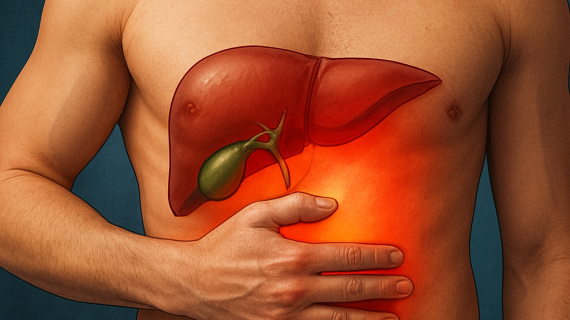
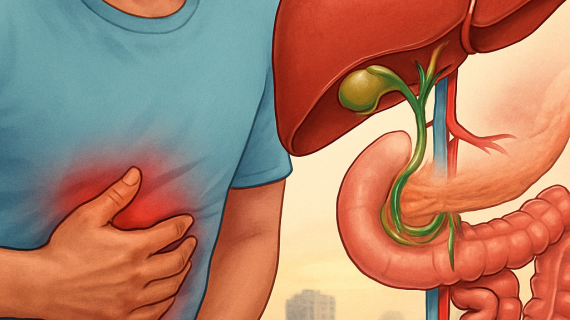
Most patients with liver cysts remain asymptomatic throughout their lives. However, larger cysts may produce symptoms due to mass effect or compression of surrounding structures. Clinical manifestations can include right upper quadrant abdominal pain or discomfort, early satiety, nausea, and vomiting.
These symptoms typically occur when cysts reach sufficient size to cause hepatomegaly or compress adjacent organs. Complications, though rare, may include cyst rupture, hemorrhage, or secondary infection. Patients experiencing persistent abdominal pain, fever, or other concerning symptoms should seek medical evaluation for appropriate diagnostic assessment and management.
Key Takeaways
- Liver cysts can arise from various causes and often require imaging tests for accurate diagnosis.
- Non-surgical treatments and medications play a significant role in managing liver cysts effectively.
- Lifestyle changes and dietary adjustments are important for controlling symptoms and improving liver health.
- Regular monitoring and follow-up are crucial to track cyst progression and decide on intervention timing.
- Expert consultation, including interventional radiology and alternative therapies, is essential for personalized liver cyst management, especially in regions like Dhaka and Bangladesh.
Diagnosis of Liver Cysts: Tests and Imaging
Diagnosing liver cysts typically involves a combination of medical history assessment, physical examination, and imaging studies. Your healthcare provider will first inquire about your symptoms and any relevant medical history, which can provide valuable context for understanding your condition. Following this initial assessment, imaging techniques such as ultrasound, computed tomography (CT) scans, or magnetic resonance imaging (MRI) may be employed to visualize the liver and identify any cysts present.
Ultrasound is often the first-line imaging modality due to its non-invasive nature and ability to provide real-time images of the liver. If cysts are detected, further imaging with CT or MRI may be recommended to determine their size, number, and characteristics. These advanced imaging techniques can help differentiate between simple cysts and more complex lesions that may require additional investigation or intervention.
Accurate diagnosis is crucial for determining the appropriate management plan and ensuring that any potential complications are addressed promptly.
Non-Surgical Treatment Options for Liver Cysts
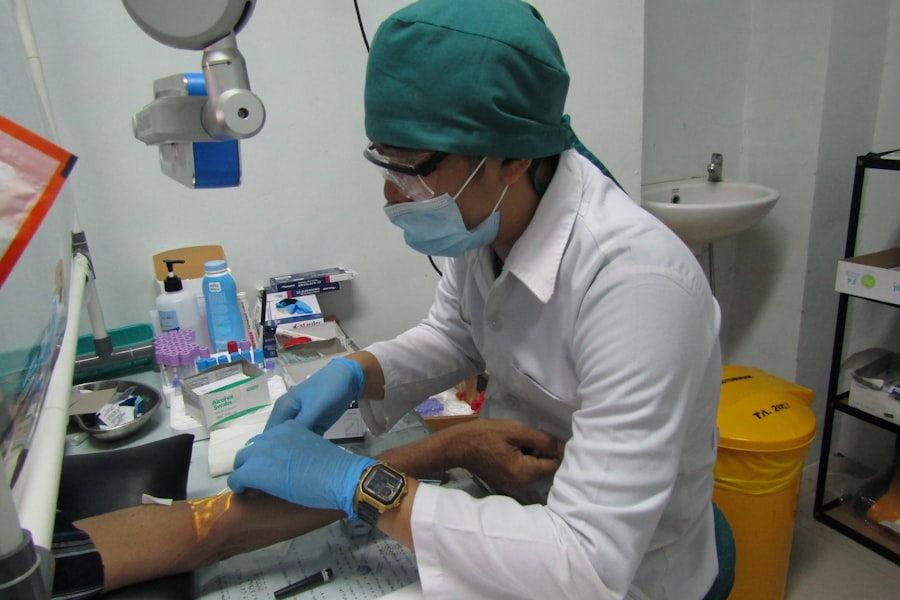
In many cases, liver cysts do not require surgical intervention, especially if they are asymptomatic and diagnosed as simple cysts. Non-surgical treatment options focus on monitoring the cysts and managing any associated symptoms. Regular follow-up appointments with your healthcare provider can help track the size and characteristics of the cysts over time, ensuring that any changes are promptly addressed.
For symptomatic cysts, various non-invasive treatments may be considered. Aspiration is one such option, where a needle is inserted into the cyst to drain the fluid. This procedure can provide immediate relief from discomfort and is often performed under ultrasound guidance to ensure accuracy.
Additionally, sclerotherapy may be employed in some cases, where a sclerosing agent is injected into the cyst after aspiration to promote closure and prevent recurrence. These non-surgical approaches can effectively manage symptoms while minimizing risks associated with more invasive procedures.
Expert Opinion: The Role of Medications in Liver Cyst Treatment
While medications are not typically used to treat liver cysts directly, they can play a supportive role in managing associated symptoms or underlying conditions. For instance, if you experience pain or discomfort due to a large cyst, your healthcare provider may recommend over-the-counter pain relievers such as acetaminophen or nonsteroidal anti-inflammatory drugs (NSAIDs) to alleviate your symptoms. In cases where liver cysts are associated with other liver diseases or conditions, specific medications may be prescribed to address those underlying issues.
For example, if you have polycystic liver disease, your doctor may recommend medications that help manage complications related to this condition. It is essential to have open communication with your healthcare provider about your symptoms and treatment options so that you can work together to develop an effective management plan tailored to your needs.
Lifestyle Changes and Dietary Recommendations for Managing Liver Cysts
| Aspect | Details |
|---|---|
| Condition | Liver Cyst |
| Treatment Type | Non-Surgical Management |
| Common Non-Surgical Methods | Observation, Aspiration, Medication |
| Observation | Regular monitoring with ultrasound if cyst is asymptomatic |
| Aspiration | Needle drainage under ultrasound guidance, often combined with sclerotherapy |
| Medication | Use of pain relievers or antibiotics if infection is present |
| Effectiveness | Variable; aspiration may have recurrence, observation suitable for benign cysts |
| Expert Opinion (Dhaka) | Non-surgical treatment recommended for small, asymptomatic cysts; surgery reserved for complicated cases |
| Follow-up | Regular imaging every 6-12 months to monitor cyst size and symptoms |
Making certain lifestyle changes can significantly impact your overall liver health and may help manage liver cysts more effectively. Adopting a balanced diet rich in fruits, vegetables, whole grains, and lean proteins can support liver function and promote overall well-being. Limiting the intake of processed foods, saturated fats, and added sugars is also advisable, as these can contribute to liver inflammation and other complications.
In addition to dietary modifications, incorporating regular physical activity into your routine can enhance liver health. Engaging in moderate exercise for at least 150 minutes per week can help maintain a healthy weight and reduce the risk of developing additional liver-related issues. Staying hydrated by drinking plenty of water is also essential for supporting liver function and overall health.
By making these lifestyle changes, you can take proactive steps toward managing your liver health and potentially reducing the impact of liver cysts.
Managing Polycystic Liver Disease without Surgery
Polycystic liver disease (PLD) is a condition characterized by the presence of multiple cysts in the liver. While surgical intervention may be necessary in severe cases, many individuals with PLD can manage their condition effectively without surgery. Regular monitoring through imaging studies is crucial for tracking the progression of the disease and identifying any potential complications early on.
In addition to monitoring, lifestyle modifications play a vital role in managing PLD. Maintaining a healthy diet and engaging in regular physical activity can help mitigate symptoms and improve overall liver function. Your healthcare provider may also recommend specific supplements or medications to support liver health and manage any associated symptoms.
By taking an active role in your health management and working closely with your healthcare team, you can navigate the challenges of PLD while minimizing the need for surgical intervention.
The Importance of Regular Monitoring and Follow-Up for Liver Cysts
Regular monitoring and follow-up appointments are essential components of managing liver cysts effectively. Even if your cysts are asymptomatic, periodic imaging studies can help track any changes in size or characteristics over time. This proactive approach allows for early detection of potential complications or the development of new cysts.
Your healthcare provider will likely recommend a follow-up schedule based on your individual circumstances. During these appointments, you will have the opportunity to discuss any new symptoms or concerns you may have.
By prioritizing regular monitoring, you can take charge of your health and make informed decisions regarding your treatment options.
Interventional Radiology Techniques for Liver Cyst Treatment
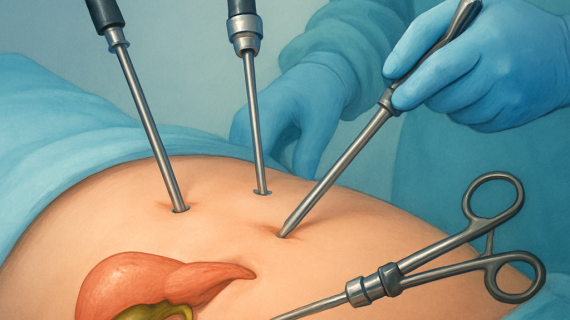
In certain cases where liver cysts cause significant symptoms or complications, interventional radiology techniques may be employed as a minimally invasive treatment option. These procedures are performed by specialized radiologists who use imaging guidance to treat various conditions affecting the liver. One common interventional technique is percutaneous aspiration, where a needle is inserted into the cyst under ultrasound or CT guidance to drain the fluid.
This procedure can provide immediate relief from discomfort and is often performed on an outpatient basis. In some instances, sclerotherapy may be used in conjunction with aspiration to promote closure of the cyst and prevent recurrence. These interventional radiology techniques offer effective alternatives to traditional surgical approaches while minimizing recovery time and associated risks.
Expert Insights on the Risks and Benefits of Liver Cyst Removal in Bangladesh
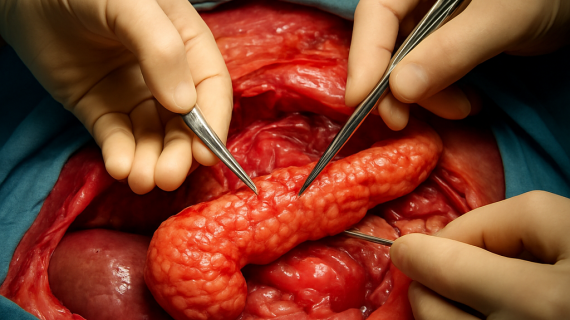
The decision to remove liver cysts surgically should be made on a case-by-case basis, taking into account various factors such as the size of the cysts, associated symptoms, and overall health status. In Bangladesh, where access to healthcare resources may vary, it is essential to weigh the risks and benefits carefully before proceeding with surgery. Surgical removal of liver cysts can provide relief from symptoms and prevent potential complications; however, it also carries inherent risks such as bleeding, infection, or damage to surrounding structures.
Consulting with experienced healthcare professionals who specialize in liver conditions is crucial for making informed decisions regarding surgical intervention. By seeking expert opinions and considering all available options, you can navigate this complex decision-making process with confidence.
Alternative Therapies and Complementary Medicine for Liver Cyst Management
In addition to conventional medical treatments, some individuals explore alternative therapies and complementary medicine approaches for managing liver cysts. While scientific evidence supporting these methods may vary, many people find value in incorporating holistic practices into their health management routines. Some alternative therapies that may be beneficial include acupuncture, herbal remedies, and mindfulness practices such as yoga or meditation.
These approaches aim to promote relaxation, reduce stress levels, and enhance overall well-being. However, it is essential to consult with your healthcare provider before starting any alternative therapies to ensure they do not interfere with your existing treatment plan or pose any risks.
Seeking Expert Consultation for Liver Cyst Treatment in Dhaka
If you suspect you have liver cysts or have been diagnosed with them already, seeking expert consultation is crucial for effective management. In Dhaka, numerous healthcare facilities offer specialized services for diagnosing and treating liver conditions. Consulting with experienced hepatologists or gastroenterologists can provide you with valuable insights into your condition and available treatment options.
During your consultation, be prepared to discuss your medical history, symptoms, and any concerns you may have regarding your health.
By taking this proactive step toward seeking expert care, you empower yourself to make informed decisions about your health journey while ensuring that you receive the best possible support for managing liver cysts effectively.
For those seeking information on liver cyst treatment without surgery, it’s essential to explore various expert opinions and insights. A related article that delves into effective strategies and alternative approaches can be found in our news section. You can read more about it in this article, which provides valuable information that complements the discussion on non-surgical treatment options for liver cysts.
FAQs
What is a liver cyst?
A liver cyst is a fluid-filled sac that forms in the liver. Most liver cysts are benign (non-cancerous) and often do not cause symptoms.
Are all liver cysts treated with surgery?
No, not all liver cysts require surgery. Many liver cysts are asymptomatic and can be monitored without intervention. Treatment depends on the size, symptoms, and type of cyst.
What non-surgical treatment options are available for liver cysts?
Non-surgical treatments may include observation with regular imaging, aspiration (draining the cyst fluid with a needle), and sclerotherapy (injecting a solution to shrink the cyst). These methods are typically used for symptomatic cysts or those causing complications.
Is aspiration a permanent solution for liver cysts?
Aspiration alone often provides temporary relief, as cysts may refill with fluid. Combining aspiration with sclerotherapy can reduce the chance of recurrence.
When is surgery recommended for liver cysts?
Surgery is usually recommended if the cyst is very large, causes significant symptoms, is infected, or if there is suspicion of malignancy.
Can liver cysts cause symptoms?
Yes, large cysts can cause abdominal pain, discomfort, fullness, or bloating. However, many cysts remain asymptomatic.
Are there any risks associated with non-surgical treatments?
Non-surgical treatments like aspiration and sclerotherapy carry risks such as infection, bleeding, or cyst recurrence, but these are generally low when performed by experienced specialists.
How can I know if I have a liver cyst?
Liver cysts are often found incidentally during imaging tests like ultrasound, CT scan, or MRI performed for other reasons. If symptomatic, your doctor may order imaging to diagnose the cyst.
Is lifestyle modification helpful in managing liver cysts?
There is no specific lifestyle change proven to treat liver cysts, but maintaining overall liver health through a balanced diet, avoiding excessive alcohol, and regular medical check-ups is beneficial.
Where can I get expert opinion and treatment for liver cysts in Dhaka?
Specialized hepatologists and gastroenterologists in Dhaka offer expert evaluation and treatment options for liver cysts, including non-surgical approaches. It is advisable to consult a qualified healthcare provider for personalized care.