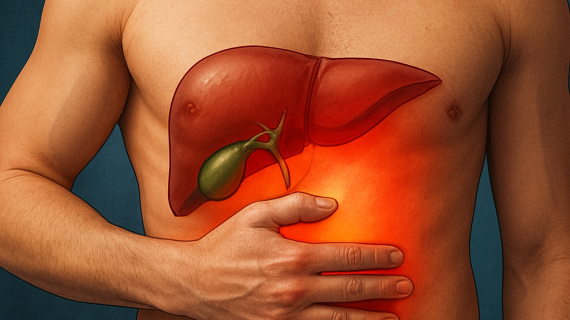
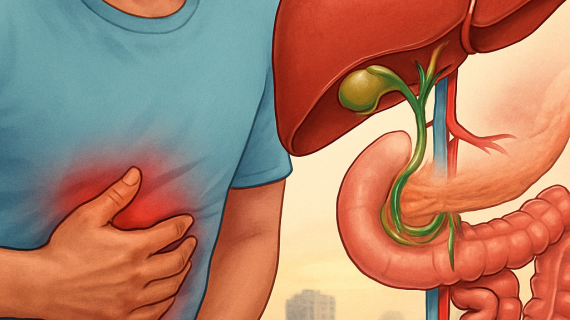
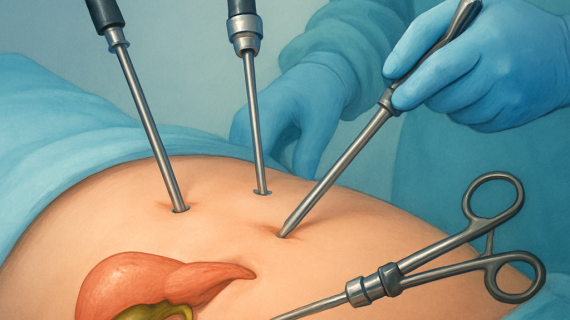
Following gallbladder removal (cholecystectomy), the body undergoes physiological adaptations that affect digestion. The gallbladder normally stores and concentrates bile produced by the liver, releasing it in response to fat intake. After removal, bile flows continuously from the liver directly into the small intestine through the common bile duct, rather than being stored and released on demand.
This anatomical change results in several digestive modifications. The continuous bile flow means that bile is less concentrated when it reaches the intestines compared to the stored, concentrated bile previously released from the gallbladder. Consequently, fat digestion may be less efficient, particularly immediately after surgery.
Common post-surgical digestive changes include diarrhea, loose stools, and increased bowel movement frequency. These symptoms occur because the continuous, diluted bile flow can have a laxative effect on the intestines. Additionally, some patients experience difficulty digesting fatty foods, bloating, and abdominal discomfort.
These symptoms typically occur within the first few weeks to months following surgery as the digestive system adapts to the new bile flow pattern. The severity and duration of these symptoms vary among individuals. Most patients experience gradual improvement as the bile ducts dilate slightly to accommodate increased bile flow, and the digestive system adapts to the continuous bile presence.
Complete adaptation typically occurs within several months, though some individuals may experience long-term dietary sensitivities.
Key Takeaways
- Life without a gallbladder requires adapting to changes in digestion and managing symptoms like bloating.
- Dietary adjustments, including low-fat and high-fiber foods, are crucial for digestive comfort post-surgery.
- Regular exercise and lifestyle modifications can improve overall digestive health after gallbladder removal.
- Ongoing medical check-ups are important to monitor health and prevent future digestive complications.
- Accessing support resources helps individuals cope with the physical and emotional aspects of life after gallbladder surgery.
Digestive Changes After Gallbladder Removal
After gallbladder surgery, your digestive system undergoes several changes that can affect how you process food. One of the most common issues is the difficulty in digesting fatty foods. Without the gallbladder’s ability to store bile, your body may struggle to break down fats efficiently, leading to discomfort and digestive upset.
You might find that certain foods trigger symptoms like bloating, gas, or diarrhea, prompting you to reevaluate your dietary choices.
You may notice an increase in bowel movements or a shift in stool consistency.
This is often due to the constant trickle of bile into the intestines, which can alter how food is processed. While these changes can be unsettling, they are typically manageable with dietary adjustments and a better understanding of your body’s new rhythm.
Coping with Bloating After Gallbladder Surgery
Bloating is a common complaint among those who have undergone gallbladder removal. The absence of the gallbladder can lead to an imbalance in how your body processes food, resulting in gas and bloating after meals. To cope with this discomfort, it’s essential to identify potential triggers in your diet.
Keeping a food diary can help you pinpoint which foods cause bloating and allow you to make informed choices moving forward. In addition to dietary adjustments, consider incorporating smaller, more frequent meals into your routine. Eating smaller portions can help reduce the burden on your digestive system and minimize bloating.
Staying hydrated is also crucial; drinking plenty of water aids digestion and can help alleviate some of the discomfort associated with bloating. If bloating persists despite these changes, consulting with a healthcare professional may provide additional strategies tailored to your specific needs.
Long-Term Health Tips for Those Without a Gallbladder
Maintaining long-term health after gallbladder removal involves adopting a proactive approach to your diet and lifestyle. One of the most important aspects is focusing on a balanced diet rich in fiber, lean proteins, and healthy fats. Incorporating whole grains, fruits, and vegetables can support digestive health and help regulate bowel movements.
Additionally, being mindful of portion sizes and avoiding large meals can prevent overwhelming your digestive system. Regular physical activity is another key component of long-term health post-surgery. Exercise not only aids digestion but also helps maintain a healthy weight and reduces the risk of developing other health issues.
Aim for at least 150 minutes of moderate aerobic activity each week, along with strength training exercises twice a week. By prioritizing both diet and exercise, you can enhance your overall well-being and adapt more easily to life without a gallbladder.
Managing Digestive Discomfort After Gallbladder Removal
| Metric | Details | Notes |
|---|---|---|
| Common Digestive Changes | Diarrhea, bloating, gas, indigestion | Usually temporary, may persist in some cases |
| Frequency of Diarrhea | Up to 30% of patients experience post-surgery diarrhea | Can be managed with diet and medication |
| Recommended Diet | Low-fat, high-fiber, small frequent meals | Helps reduce digestive discomfort |
| Long-Term Health Tips | Regular exercise, hydration, avoid fatty and spicy foods | Supports overall digestive health |
| Follow-up Frequency | Every 3-6 months initially, then annually | Monitors digestive health and complications |
| Common Supplements | Digestive enzymes, probiotics | May aid digestion and gut flora balance |
| Impact on Nutrient Absorption | Minimal to moderate, mainly fat-soluble vitamins | Supplementation may be necessary in some cases |
| Patient Support Resources in Dhaka | Local clinics, dietitians, support groups | Available for post-surgery guidance and counseling |
Digestive discomfort is a common experience for many individuals after gallbladder removal, but there are effective strategies to manage these symptoms. One approach is to gradually reintroduce foods into your diet after surgery. Start with bland, easy-to-digest foods and slowly add more complex items as your body adjusts.
This method allows you to identify any specific foods that may trigger discomfort. In addition to dietary modifications, consider exploring over-the-counter remedies that can alleviate digestive issues. Products containing simethicone may help reduce gas and bloating, while probiotics can support gut health by promoting a balanced microbiome.
However, it’s essential to consult with your healthcare provider before starting any new supplements or medications to ensure they are appropriate for your situation.
Diet and Nutrition Advice for Life After Gallbladder Surgery

Adopting a thoughtful approach to diet and nutrition is crucial for those living without a gallbladder. Focus on incorporating low-fat options into your meals, as high-fat foods can exacerbate digestive issues. Lean proteins such as chicken, turkey, fish, and plant-based sources like beans and lentils are excellent choices that provide essential nutrients without overwhelming your system.
In addition to protein sources, prioritize fiber-rich foods that promote healthy digestion. Whole grains, fruits, and vegetables not only support bowel regularity but also provide vital vitamins and minerals. It’s also wise to limit processed foods and added sugars, as these can contribute to digestive discomfort.
By being mindful of what you eat and making informed choices, you can create a balanced diet that supports your health after gallbladder removal.
Exercise and Lifestyle Changes for Improved Digestive Health
Incorporating regular exercise into your routine can significantly improve digestive health after gallbladder surgery. Physical activity stimulates the digestive system and helps prevent constipation, which can be a concern for some individuals post-surgery. Aim for activities that you enjoy, whether it’s walking, swimming, or yoga; finding something you love will make it easier to stay consistent.
In addition to exercise, consider other lifestyle changes that promote overall well-being. Stress management techniques such as mindfulness meditation or deep breathing exercises can help reduce anxiety that may exacerbate digestive issues. Prioritizing sleep is also essential; aim for 7-9 hours of quality rest each night to support your body’s recovery and overall health.
Understanding the Role of the Gallbladder in Digestion
To fully appreciate life without a gallbladder, it’s helpful to understand its role in digestion. The gallbladder serves as a storage reservoir for bile produced by the liver, releasing it into the small intestine when needed for fat digestion. This process allows for efficient fat breakdown and absorption of fat-soluble vitamins.
When the gallbladder is removed, bile flows directly from the liver into the intestines continuously rather than being released in response to meals. This change can lead to challenges in digesting fats effectively and may require adjustments in dietary habits to ensure optimal nutrient absorption and minimize discomfort.
Tips for Preventing Gallbladder Issues in the Future
While you may no longer have a gallbladder, it’s still important to take steps to prevent future digestive issues.
Focus on a balanced diet rich in whole foods while avoiding excessive consumption of processed items high in sugar and unhealthy fats.
Regular physical activity also plays a vital role in preventing future gallbladder problems. Aim for at least 150 minutes of moderate exercise each week to support overall health and reduce the risk of developing complications related to digestion or weight management.
Seeking Support and Resources for Life After Gallbladder Removal
Navigating life after gallbladder removal can be challenging, but you don’t have to do it alone. Seeking support from healthcare professionals such as dietitians or gastroenterologists can provide valuable insights tailored to your specific needs. They can help you develop a personalized plan that addresses any ongoing digestive concerns while ensuring you meet your nutritional requirements.
Additionally, consider joining support groups or online communities where individuals share their experiences post-surgery. Connecting with others who understand what you’re going through can provide emotional support and practical tips for managing life without a gallbladder.
The Importance of Regular Check-Ups and Monitoring After Gallbladder Surgery
After gallbladder removal, regular check-ups with your healthcare provider are essential for monitoring your health and addressing any concerns that may arise. These appointments allow you to discuss any ongoing digestive issues or dietary challenges you may be facing while providing an opportunity for preventive care. Your healthcare provider may recommend routine blood tests or imaging studies to ensure that your liver function remains optimal and that no complications have developed post-surgery.
By staying proactive about your health through regular monitoring, you can better manage any potential issues and maintain a high quality of life after gallbladder removal.
If you’re looking to understand more about the implications of life after gallbladder removal, you might find the article on digestive health news particularly insightful. It provides updates and tips that can complement the information found in “Life After Gallbladder Removal: Digestive Changes and Long-Term Health Tips Dhaka,” helping you navigate the changes in your digestive system and maintain long-term health.
FAQs
What digestive changes can occur after gallbladder removal?
After gallbladder removal, also known as cholecystectomy, bile flows directly from the liver into the small intestine instead of being stored in the gallbladder. This can lead to changes such as diarrhea, bloating, and difficulty digesting fatty foods, especially in the initial weeks following surgery.
How long do digestive symptoms last after gallbladder removal?
Digestive symptoms typically improve within a few weeks to months after surgery as the body adjusts to the new bile flow. However, some individuals may experience mild digestive changes for a longer period.
Are there dietary recommendations after gallbladder removal?
Yes, it is generally advised to follow a low-fat, high-fiber diet after gallbladder removal. Eating smaller, more frequent meals and avoiding greasy, spicy, or highly processed foods can help minimize digestive discomfort.
Can I eat fatty foods after gallbladder removal?
While some people can tolerate moderate amounts of fat over time, it is best to limit high-fat foods initially. Gradually reintroducing healthy fats in small amounts can help determine individual tolerance.
Is it necessary to take medications after gallbladder removal?
Most patients do not require long-term medications after gallbladder removal. However, if diarrhea or other symptoms persist, a doctor may recommend medications to manage these issues.
Are there any long-term health risks after gallbladder removal?
Gallbladder removal is generally safe with minimal long-term risks. Some individuals may experience changes in bowel habits or increased risk of certain digestive conditions, but serious complications are uncommon.
When should I consult a doctor after gallbladder removal?
You should consult a healthcare provider if you experience severe abdominal pain, persistent diarrhea, jaundice, or any other concerning symptoms following gallbladder removal.
Can lifestyle changes improve digestion after gallbladder removal?
Yes, maintaining a healthy weight, staying hydrated, exercising regularly, and following a balanced diet can support digestive health and overall well-being after gallbladder removal.
Is gallbladder removal common in Dhaka?
Gallbladder removal is a common surgical procedure worldwide, including in Dhaka, due to the prevalence of gallstones and related conditions. Access to laparoscopic surgery has made the procedure safer and more accessible.
How can I find support or information about life after gallbladder removal in Dhaka?
Patients can consult local healthcare providers, hospitals, or support groups in Dhaka for guidance and information on managing life after gallbladder removal. Reliable online resources and patient education materials are also available.