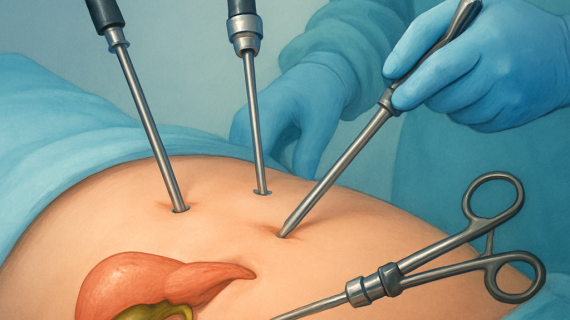
Facing surgery for gallstones, a liver tumor, or pancreatic cancer is stressful, and choosing the right surgery doctor directly affects your risk and recovery. This practical guide explains how to verify surgeon credentials, assess hospital capacity in Dhaka including Popular Medical College Hospital, prepare for the first consultation, and decide when to seek a second opinion. You will get checklists, sample questions, and clear preoperative and postoperative steps to turn uncertainty into a concrete plan.
Verify surgeon credentials and specialization
Key point: Do not assume a surgery doctor listed on a clinic website has current permissions to perform the operation you need. Confirm specific credentials and active hospital privileges before you book major hepatobiliary or pancreatic surgery.
What to check on a surgeon profile
- BMDC registration: Verify the registration number on the Bangladesh Medical and Dental Council site BMDC.
- Primary surgical qualification: MS in General Surgery or FCPS in Surgery – this is the base requirement for a surgery doctor.
- Subspecialty training: Look for fellowship or formal training in hepatobiliary-pancreatic surgery or minimally invasive surgery – this indicates focused surgical expertise.
- Hospital appointments and operating privileges: Confirm the surgeon operates at the hospital you plan to use and has privileges for the specific procedure.
- Evidence of practice: Recent case listings, operative videos, or publications that show active surgical practice in liver, biliary, or pancreatic procedures.
Practical insight: A certified surgeon with an HPB fellowship is not automatically better if they have not performed the specific operation recently. Recency of cases matters as much as formal training.
How to verify – quick, practical checks
- Check BMDC online for name and registration status using BMDC.
- Confirm on hospital staff pages or call the hospital to ask if the surgeon holds active privileges for the operation in the hospital surgery department.
- Request a short CV or summary listing recent volumes of laparoscopic cholecystectomies, liver resections, and Whipple procedures.
- Ask whether cases are discussed at a multidisciplinary tumor board – this shows integrated surgical practice for complex cancer cases.
Concrete example: A patient with a suspected liver tumour checked the surgeon profile on drarefin.com, confirmed the BMDC number online, then called Popular Medical College Hospital to verify that the surgeon had performed major hepatic resections there in the past 12 months. The hospital confirmed active operating privileges and that cases go to the hospital tumor board for review.
Trade-off to consider: For routine gallbladder removal a skilled general surgeon can be appropriate and local access matters. For complex hepatic or pancreatic resections prioritize an HPB specialist even if it requires scheduling at a different hospital or traveling within Dhaka.
Sample wording you can use
- Phone script to clinic: Hello, I am confirming Dr Names BMDC registration number and whether they have current operating privileges for hepatic resection at Popular Medical College Hospital.
- Email template to surgeon office: Please send the surgeon CV or a brief summary showing specialty training, BMDC registration, and number of major liver or pancreatic operations performed in the last 12 months.
- One-line ask when booking: Can you confirm this surgery doctor is licensed and currently operating on liver and pancreatic cases at the hospital?
Next consideration: After you verify the surgeon, move on to confirm the hospital facilities and ICU support for your specific procedure.
Frequently Asked Questions
Straight answer, no fluff: below are the practical responses patients ask most when choosing a surgery doctor in Dhaka. Each item gives what to check, what to expect, and what it actually changes about your care.
How do I confirm a surgery doctor is legally allowed to operate in Bangladesh?
Check the surgeon name and registration on the Bangladesh Medical and Dental Council site and then confirm active hospital privileges. BMDC confirms licensure but not where the surgeon currently operates; call the hospital surgery department and ask whether the doctor has admitting and operating privileges for your specific procedure. See BMDC.
Should I pick a high-volume surgeon or a hospital with better resources?
For technically complex hepatobiliary or pancreatic operations, surgeon experience with the specific procedure usually has the larger impact on outcomes, but only if the hospital can safely manage complications. The tradeoff: a technically excellent surgeon at a poorly equipped hospital increases transfer risk. Prioritize a surgeon who routinely operates inside a hospital with an ICU, interventional radiology, and reliable blood services.
What specific risks should I ask about for liver or pancreatic surgery?
Ask about procedure-specific complications such as bile leak, liver insufficiency, pancreatic fistula, and the chance of needing a reoperation or transfusion. Request the surgeon frame those risks for a patient with your age and comorbidities rather than giving generic percentages — that makes the prediction meaningful.
How long will I be in hospital after a major liver operation?
Expect several days to a couple of weeks depending on the extent of resection and how quickly your liver and bowels recover. The practical implication: plan for in‑home support, arrange medication and dressing supplies ahead, and confirm who the contact person is for unexpected problems after discharge.
When should I get a second opinion and how do I ask for it?
Seek a second opinion for major cancer surgery, when recommendations conflict, or if you feel rushed. Request copies of CT/MRI and pathology to bring to the second reviewer. A respectful script: I appreciate your assessment; I would like a second opinion to confirm the plan before I proceed. Can you provide copies of my imaging and pathology? You can also request an MDT review through the clinic — many hospitals, including Popular Medical College Hospital, will arrange that.
Can my imaging and pathology be reviewed before I decide on surgery?
Yes. Ask for DICOM files or CD for scans and full pathology reports (including slides if available). Most experienced surgeons will review external records before an in-person consult; this often changes the recommended approach and can avoid unnecessary operations.
What warning signs after abdominal surgery need immediate contact with the team?
Watch for a new high temperature, pain that suddenly worsens or feels different from usual postoperative pain, bright or increasing bleeding from the wound, persistent vomiting, difficulty breathing, or very low urine output. These are not minor issues — contact the surgical team immediately.
If in doubt, call. Rapid response to early complications prevents escalation and lowers the chance of return to theatre.
Concrete example: A 58-year-old with a pancreatic mass brought DICOM scans and pathology to two consultations. The first surgeon recommended immediate Whipple. The second opinion — after reviewing images and discussing the case at a tumor board — recommended neoadjuvant chemotherapy followed by re-staging, which shrank the tumour and made a safer operation possible. The pre-review changed the entire plan.
Practical judgments patients miss: routine reassurances like general competence are useless for complex HPB surgery. Instead, verify three things: the surgeon's recent experience with your specific procedure, the hospital's ability to manage complications, and whether an MDT will review your case. If any one of these is weak, ask for alternatives.
- Verify the surgeon on BMDC and confirm hospital privileges by phone.
- Obtain DICOM scans and full pathology to bring to consultations or for remote review.
- Ask whether your case will be presented at a tumor board and request documentation of MDT recommendations.
- If surgery is major, get a second opinion and confirm postoperative ICU and interventional radiology availability before booking.
- To book at Popular Medical College Hospital or request records, visit drarefin.com/contact.