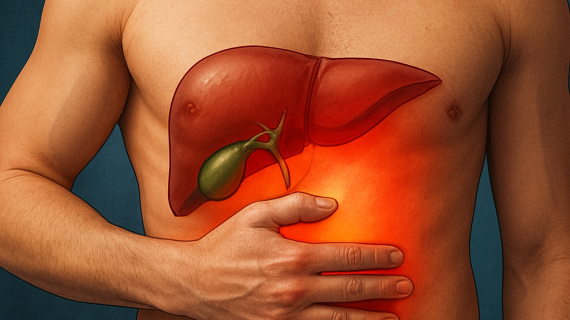
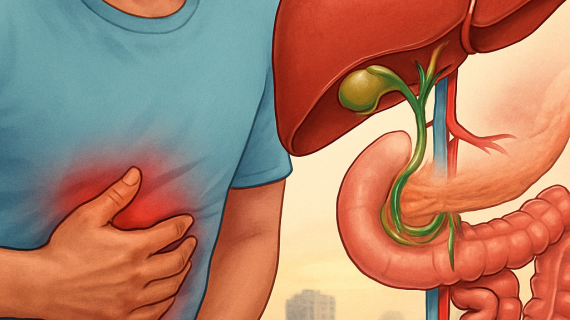
Biliary tract cancer, a term that encompasses malignancies arising in the bile ducts and gallbladder, is a rare but formidable disease that poses significant challenges for patients and healthcare providers alike. As we delve into this complex condition, we recognize that the biliary system plays a crucial role in digestion and the overall functioning of the liver. The bile ducts transport bile from the liver to the small intestine, facilitating the digestion of fats. When cancer develops in this intricate system, it can disrupt not only the digestive process but also the body’s overall health. Understanding biliary tract cancer is essential for early detection and effective treatment, which can significantly impact patient outcomes.
The rarity of biliary tract cancer often leads to a lack of awareness among the general public and even within the medical community. This can result in delayed diagnoses, which are critical in determining the effectiveness of treatment options. As we explore this topic, we aim to shed light on the various aspects of biliary tract cancer, from its early symptoms to advanced treatment strategies. By increasing our understanding of this disease, we can better equip ourselves to recognize its signs and advocate for timely medical intervention.
For those seeking a deeper understanding of biliary tract cancer, including its early symptoms, risk factors, and advanced treatment strategies, a related article can provide valuable insights. You can explore more about this topic by visiting this informative article, which delves into the nuances of cancer awareness and management, helping readers stay informed about this critical health issue.
Understanding the Early Symptoms of Biliary Tract Cancer
Recognizing the early symptoms of biliary tract cancer is vital for improving patient outcomes. Unfortunately, these symptoms can often be vague and easily mistaken for other less serious conditions. Common early signs include jaundice, which manifests as yellowing of the skin and eyes due to elevated bilirubin levels. This occurs when the bile ducts become obstructed, preventing bile from flowing properly. Additionally, patients may experience unexplained weight loss, loss of appetite, and fatigue, which can further complicate the diagnostic process.
As we consider these symptoms, it becomes clear that they are not exclusive to biliary tract cancer. Many individuals may dismiss them as signs of stress or minor digestive issues. This underscores the importance of awareness and education regarding the potential severity of these symptoms. We must encourage individuals experiencing these signs to seek medical attention promptly, as early diagnosis can lead to more effective treatment options and improved prognoses.
Identifying the Risk Factors for Biliary Tract Cancer

Understanding the risk factors associated with biliary tract cancer is crucial for prevention and early detection. Several factors have been identified that may increase an individual’s likelihood of developing this type of cancer. Chronic conditions such as primary sclerosing cholangitis (PSC) and cholangitis are significant contributors, as they cause long-term inflammation and damage to the bile ducts. Additionally, certain genetic predispositions can play a role; individuals with a family history of biliary tract cancers or related conditions may be at higher risk.
Moreover, lifestyle factors such as obesity and smoking have also been linked to an increased risk of biliary tract cancer. As we reflect on these risk factors, it becomes evident that awareness and lifestyle modifications can play a pivotal role in reducing incidence rates. By promoting healthy habits and regular medical check-ups, we can empower individuals to take charge of their health and potentially mitigate their risk of developing this challenging disease.
Diagnostic Techniques for Biliary Tract Cancer
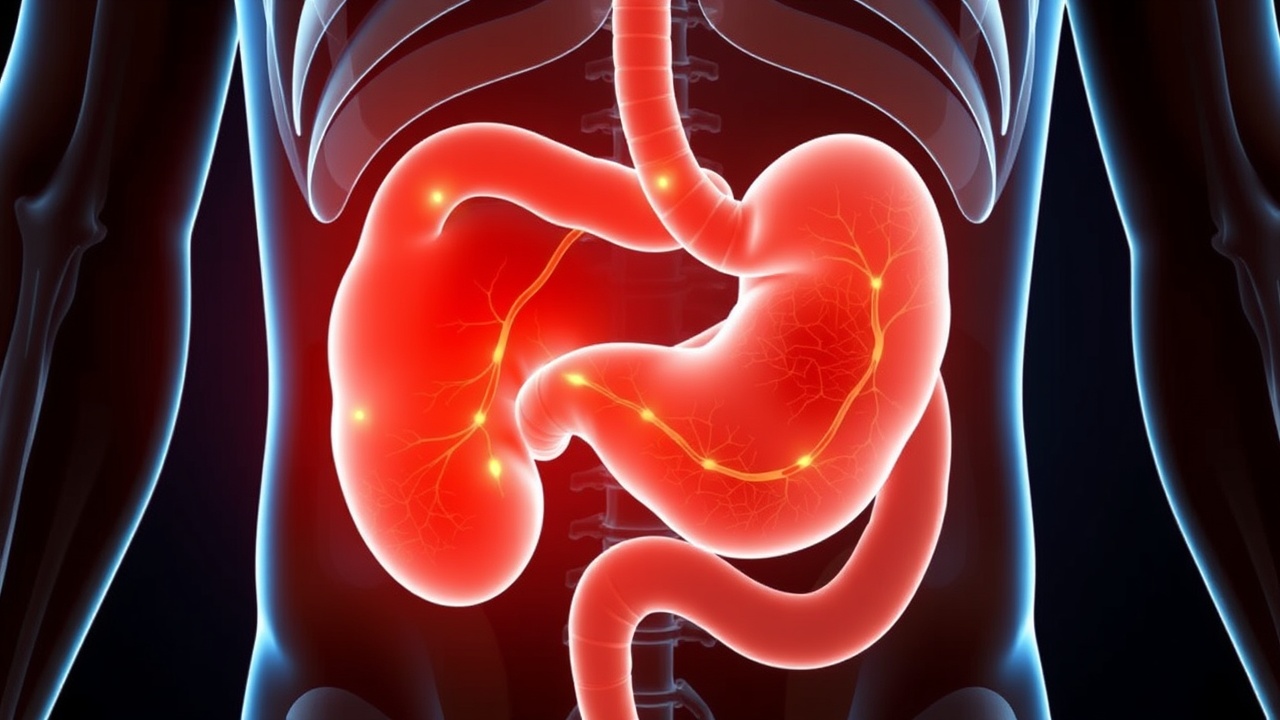
The diagnostic process for biliary tract cancer involves a combination of imaging studies and laboratory tests aimed at confirming the presence of malignancy. Initially, healthcare providers may utilize non-invasive imaging techniques such as ultrasound, computed tomography (CT), or magnetic resonance imaging (MRI) to visualize the biliary system and identify any abnormalities. These imaging modalities can help detect tumors or blockages in the bile ducts, providing critical information for further evaluation.
Once a potential diagnosis is established, more invasive procedures may be necessary to confirm the presence of cancer cells. Endoscopic retrograde cholangiopancreatography (ERCP) is one such technique that allows for direct visualization of the bile ducts while also enabling tissue sampling through biopsy. This combination of imaging and biopsy is essential for accurate diagnosis and staging of biliary tract cancer, guiding subsequent treatment decisions. As we navigate through these diagnostic techniques, it is clear that a multidisciplinary approach is vital for ensuring comprehensive care for patients suspected of having this condition.
Biliary tract cancer is a complex condition that requires a thorough understanding of its early symptoms, risk factors, and advanced treatment strategies. For those seeking more information on this topic, a related article provides valuable insights into the nuances of diagnosis and management. It discusses how recognizing early signs can significantly impact treatment outcomes and explores various risk factors associated with the disease. Additionally, the article highlights innovative treatment approaches that are currently being researched and implemented. To delve deeper into these aspects, you can read the full article here.
Treatment Options for Early-Stage Biliary Tract Cancer
| Category | Details | Metrics / Data |
|---|---|---|
| Early Symptoms | Common initial signs of biliary tract cancer |
|
| Risk Factors | Factors increasing likelihood of developing biliary tract cancer |
|
| Advanced Treatment Strategies | Current approaches for managing advanced biliary tract cancer |
|
When biliary tract cancer is diagnosed at an early stage, treatment options become more favorable and can significantly improve patient outcomes. Surgical resection remains the primary treatment modality for localized tumors, particularly when they are confined to the gallbladder or bile ducts. The goal of surgery is to remove the tumor along with a margin of healthy tissue to minimize the risk of recurrence. In some cases, a liver transplant may be considered for patients with specific criteria, offering a potential cure for those with early-stage disease.
In addition to surgical intervention, adjuvant therapies such as chemotherapy may be recommended to reduce the risk of recurrence post-surgery. These treatments aim to target any remaining cancer cells that may not have been removed during surgery. As we explore these options, it is essential to recognize that each patient’s situation is unique; therefore, treatment plans should be tailored to individual needs and preferences. By fostering open communication between patients and their healthcare teams, we can ensure that treatment decisions align with patients’ values and goals.
Biliary tract cancer is a complex disease that often goes undetected in its early stages, making awareness of its symptoms and risk factors crucial for timely diagnosis and treatment. For those looking to deepen their understanding of this condition, a related article offers valuable insights into the latest advancements in treatment strategies. You can read more about these developments and how they can impact patient outcomes by visiting this informative article. Understanding the nuances of biliary tract cancer can empower patients and their families to make informed decisions regarding their health.
Advanced Treatment Strategies for Biliary Tract Cancer
For reliable health advice, Get best medical expert consultation today.
For patients diagnosed with advanced biliary tract cancer, treatment strategies become more complex and multifaceted. In cases where surgical resection is not feasible due to tumor spread or other factors, systemic therapies such as chemotherapy become central to management. Chemotherapy regimens may include combinations of drugs designed to target rapidly dividing cancer cells throughout the body. While these treatments can help control disease progression and alleviate symptoms, they often come with side effects that require careful management.
In addition to traditional chemotherapy, targeted therapies have emerged as promising options for advanced biliary tract cancer. These therapies focus on specific molecular targets associated with cancer growth and progression, offering a more personalized approach to treatment. As we consider these advanced strategies, it is crucial to remain informed about ongoing clinical trials that may provide access to novel therapies not yet widely available. By staying engaged with emerging research, we can help patients explore all available options in their fight against this challenging disease.
Palliative Care for Advanced Biliary Tract Cancer
Palliative care plays a vital role in managing advanced biliary tract cancer, focusing on improving quality of life rather than solely extending survival. This approach emphasizes symptom management and emotional support for both patients and their families during what can be an incredibly challenging time. Common symptoms associated with advanced disease include pain, jaundice, and digestive issues; addressing these concerns is paramount in providing holistic care.
As we engage in discussions about palliative care, it is essential to recognize that this type of care can be integrated alongside curative treatments or provided independently when curative options are no longer viable. By fostering open communication about goals of care and patient preferences, we can ensure that individuals receive compassionate support tailored to their unique needs. Ultimately, palliative care aims to enhance dignity and comfort during a difficult journey.
Surgical Interventions for Biliary Tract Cancer
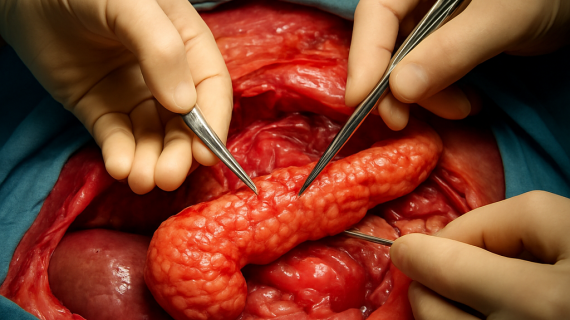
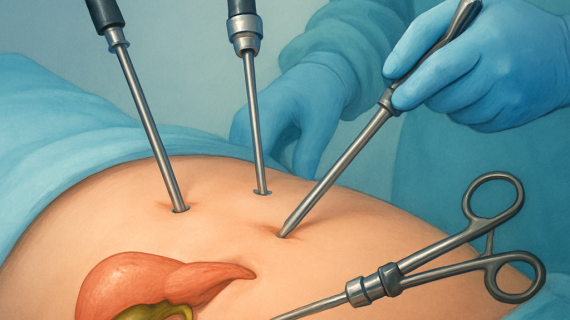
Surgical interventions remain a cornerstone in the management of biliary tract cancer when feasible. For localized tumors, surgical resection offers the best chance for a cure; however, careful consideration must be given to tumor location and extent of disease spread. In cases where tumors are located in challenging areas or involve major blood vessels or organs, surgical options may be limited.
In addition to resection, other surgical procedures such as biliary bypass or stenting may be employed to relieve obstruction caused by tumors. These interventions aim to restore bile flow and alleviate symptoms associated with jaundice or cholangitis. As we navigate through surgical options, it is crucial to involve a multidisciplinary team that includes surgeons, oncologists, and palliative care specialists to ensure comprehensive management tailored to each patient’s unique circumstances.
Chemotherapy and Radiation Therapy for Biliary Tract Cancer
Chemotherapy and radiation therapy are integral components in the treatment landscape for biliary tract cancer, particularly in cases where surgery is not an option or when there is a high risk of recurrence post-surgery. Chemotherapy regimens typically involve combinations of cytotoxic agents designed to target rapidly dividing cancer cells throughout the body. While these treatments can effectively control disease progression, they often come with side effects that require careful monitoring and management.
Radiation therapy may also play a role in managing biliary tract cancer by targeting localized tumors or providing palliative relief from symptoms such as pain or obstruction. In some cases, radiation therapy may be used in conjunction with chemotherapy as part of a multimodal approach aimed at maximizing treatment efficacy while minimizing adverse effects. As we explore these therapeutic modalities, it becomes evident that ongoing research into optimizing treatment regimens is essential for improving outcomes in patients with this challenging disease.
Immunotherapy and Targeted Therapy for Biliary Tract Cancer
In recent years, immunotherapy and targeted therapy have emerged as promising avenues for treating biliary tract cancer, particularly in advanced stages where traditional treatments may fall short. Immunotherapy harnesses the body’s immune system to recognize and attack cancer cells more effectively. Various immunotherapeutic agents are currently being investigated in clinical trials for their potential efficacy against biliary tract malignancies.
Targeted therapy focuses on specific genetic mutations or alterations present within cancer cells that drive tumor growth. By targeting these specific pathways, targeted therapies aim to inhibit cancer progression while minimizing damage to healthy cells. As we consider these innovative approaches, it is crucial to remain informed about ongoing research efforts that may lead to new treatment options for patients facing biliary tract cancer.
Prognosis and Long-Term Management of Biliary Tract Cancer
The prognosis for biliary tract cancer varies significantly based on several factors including stage at diagnosis, tumor location, and overall patient health. Early-stage disease generally offers better outcomes compared to advanced stages where metastasis has occurred. As we reflect on long-term management strategies, it becomes clear that ongoing surveillance and follow-up care are essential components in monitoring for recurrence or new developments.
Patients diagnosed with biliary tract cancer should engage in regular follow-up appointments with their healthcare team to assess their health status and address any emerging concerns promptly. Additionally, lifestyle modifications such as maintaining a healthy diet and engaging in regular physical activity can contribute positively to overall well-being during survivorship. By fostering a proactive approach towards long-term management, we can empower individuals affected by biliary tract cancer to navigate their journey with resilience and hope for the future.
FAQs
What are the early symptoms of biliary tract cancer?
Early symptoms of biliary tract cancer may include jaundice (yellowing of the skin and eyes), itching, abdominal pain, unexplained weight loss, and dark urine. These symptoms often prompt further medical evaluation.
What are the main risk factors associated with biliary tract cancer?
Key risk factors include chronic inflammation of the bile ducts, primary sclerosing cholangitis, liver fluke infections, gallstones, obesity, and certain genetic conditions. Age and gender may also influence risk.
How is biliary tract cancer diagnosed?
Diagnosis typically involves imaging tests such as ultrasound, CT scans, or MRI, blood tests including liver function tests and tumor markers, and sometimes biopsy to confirm the presence of cancer cells.
What treatment options are available for advanced biliary tract cancer?
Advanced biliary tract cancer may be treated with a combination of chemotherapy, targeted therapy, radiation therapy, and palliative care to manage symptoms. Clinical trials may also offer access to new treatments.
Can early detection improve the prognosis of biliary tract cancer?
Yes, early detection generally improves treatment outcomes and survival rates. Identifying symptoms early and seeking prompt medical evaluation can lead to earlier intervention and more effective management.