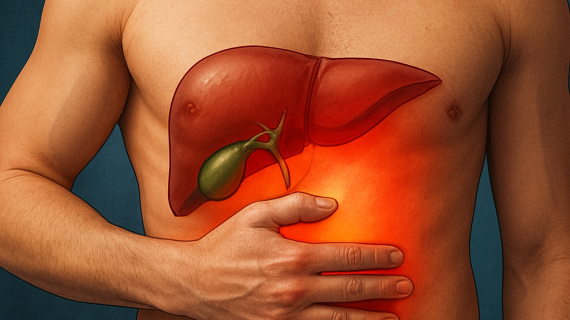
Many people with persistent abdominal pain, jaundice, or abnormal liver tests wonder whether they need an hpb surgeon to diagnose and treat gallbladder, bile duct, liver, or pancreatic problems. This article explains what HPB surgeons do, the usual tests and treatment pathways, when to seek urgent care, and how to arrange specialist consultation in Dhaka including services available at Popular Medical College Hospital with Dr Murshidul Arefin. You will find a practical checklist for next steps, realistic timelines for diagnostics and surgery, and clear red flags that require prompt attention.
What an HPB Surgeon Does and Why Specialized Care Matters
An HPB surgeon is the person you turn to when surgery is not routine. They do more than cut out a gallbladder; they assess complex liver, biliary tract, and pancreatic disease, coordinate endoscopic and radiologic procedures, plan oncologic care, and take responsibility for high-risk operations that require precise anatomical judgment and team logistics.
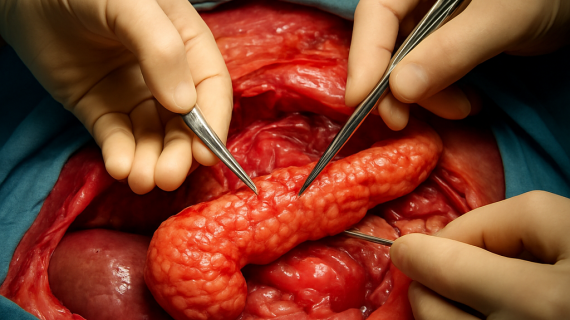
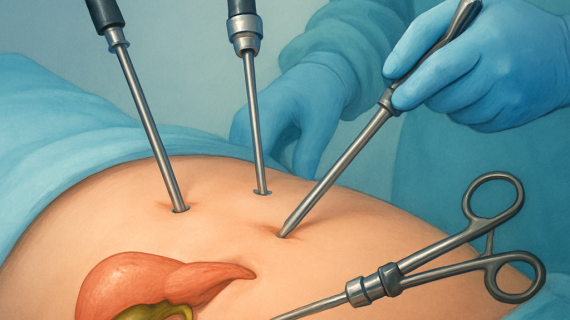
An HPB specialist and hepatobiliary surgeon performs and plans procedures ranging from laparoscopic cholecystectomy and ERCP stenting to hepatic resection, radiofrequency ablation, transarterial chemoembolization, and pancreatic resections such as pancreaticoduodenectomy or distal pancreatectomy. When a case crosses into reconstructive or vascular territory – for example bile duct reconstruction or portal vein resection – that is where HPB training changes the outcome.
Practical tradeoff: minimally invasive HPB surgery shortens recovery and cuts wound complications, but it is not always the right choice for cancer. Oncologic clearance and patient safety trump the desire for laparoscopy. In practice this means an open operation is the better option when tumor exposure, margin control, or vascular reconstruction are needed. Also, outcomes improve measurably at high volume centers with multidisciplinary teams – a consideration when choosing care in Dhaka.
Concrete example: A patient presents with progressive jaundice and weight loss. An HPB surgeon will usually coordinate urgent ERCP to relieve obstruction, request contrast CT or MRCP for staging, and then present the case at a multidisciplinary meeting to decide between upfront surgery, neoadjuvant therapy, or palliative stenting. That single pathway – endoscopy, cross-sectional imaging, MDT discussion – often prevents unnecessary operations and shortens time to definitive treatment.
When specialist involvement changes the plan
There are common situations where specialist input alters the recommended treatment: unexpected liver cirrhosis that reduces resection tolerance, bile duct strictures that need reconstructive surgery rather than simple removal, or borderline resectable pancreatic tumors that benefit from preoperative chemotherapy and vascular workup. In Dhaka these are the cases where you should ask for an HPB opinion rather than proceeding with a general surgical plan.
Choosing an HPB surgeon matters when anatomy, liver function, or cancer stage make the operation complex – the wrong decision early costs recovery time and long term outcomes.
If you want a focused HPB opinion in Dhaka, review surgical services and referral steps at Popular Medical College Hospital hepatobiliary services and consider an early consult when imaging shows ductal obstruction, liver lesions, or a pancreatic mass. Specialized assessment changes decisions in ways that matter for safety and long term results.
Conditions an HPB Surgeon Treats: Practical Examples
Most referrals to an hpb surgeon fall into a handful of real-world scenarios that demand specialist judgment, not just technical skill. What matters is matching the right intervention to the disease biology and the patient — timing, imaging, and liver function change the plan more often than preference for a particular operation.
Typical clinical scenarios and the surgeon's role
- Obstructive jaundice and cholangitis: urgent
ERCPor percutaneous biliary drainage to stabilise the patient, followed by definitive management (stent, bile duct exploration, or reconstruction). Trade-off: immediate drainage lowers risk of sepsis but may complicate later oncologic resections. - Symptomatic gallstones and acute cholecystitis: laparoscopic cholecystectomy is standard, but severe inflammation or fibrosis can force conversion to open surgery or a delayed approach with interval cholecystectomy.
- Focal liver lesions (HCC or metastases): decisions range from segmental liver resection to ablation or TACE depending on tumour size, location, and residual liver function; preservation of hepatic reserve is the critical constraint.
- Suspected pancreatic cancer: resectable tumours may go straight to pancreaticoduodenectomy or distal pancreatectomy; borderline tumours often benefit from neoadjuvant chemotherapy and vascular assessment because vascular involvement changes what is technically and oncologically feasible.
- Complications of pancreatitis: infected necrosis, persistent collections, or bile duct strictures after pancreatitis often require endoscopic stenting, minimally invasive necrosectomy, or multidisciplinary drainage — not routine general surgery.
Concrete Example: A 54-year-old who arrives jaundiced with high fever and hypotension is stabilised by an HPB team with urgent ERCP and biliary stent placement. After cultures and imaging, the same team schedules a planned definitive operation once the infection resolves — that sequence prevents an unnecessary major resection in a septic patient.
Concrete Example: A patient with colorectal liver metastases on staging CT is referred to a hepatobiliary surgeon and medical oncology. The team gives short-course systemic therapy to shrink lesions, then performs a parenchyma-sparing liver resection coordinated with a colorectal resection; this staged approach preserves liver function and improves chances of long-term disease control. For details on local services see hepatobiliary services.
Practical judgment: Patients often assume minimally invasive always wins. In practice, oncologic clearance and vascular control matter more than avoiding a larger incision. If malignancy or vascular reconstruction is likely, a planned open operation at a centre with ICU and interventional radiology support is the safer choice.
Key point: an HPB surgeon balances disease control, liver reserve, and timing — the safest path is often stepwise (drain, stage, then resect), not immediate removal.
If you are in Dhaka and facing any of these scenarios, seek care at a centre that combines surgical experience with endoscopy and interventional radiology. For local options and to arrange evaluation with Dr Murshidul Arefin, visit Popular Medical College Hospital hepatobiliary services or contact the clinic.
Diagnostic Pathway in Dhaka: What Tests to Expect and Where to Get Them
Start with a clinical funnel, not a shopping list. In Dhaka the diagnostic pathway is sequenced to answer three questions: Is the patient stable? Is there obstructive biliary disease requiring immediate drainage? And what is the exact lesion and its relationship to vascular and liver reserve? Tests and timing follow from those answers, not from patient preference.
Practical sequencing: urgent stabilisation and blood work (including liver panel and inflammatory markers) precede targeted imaging. After basic labs, expect an ultrasound at a neighbourhood centre, then rapid escalation to cross sectional imaging or endoscopy depending on findings. This order reduces unnecessary invasive procedures and focuses resources where they change management.
Tradeoffs that matter
CT versus MRI/MRCP: contrast enhanced CT is fast, widely available, and excellent for staging vascular relationships; MRCP is superior for delineating ductal anatomy. The tradeoff is time and cost — MRCP may delay a decision by days but avoids missed bile duct involvement. Choose the test that answers the single most urgent clinical question.
EUS versus ERCP: EUS is primarily diagnostic (and samples masses with less risk of precipitating cholangitis), while ERCP is therapeutic and carries procedure-related pancreatitis risk. In practice, use EUS when tissue diagnosis will change the plan; use ERCP when biliary decompression is needed now.
- On biopsy: percutaneous and EUS guided sampling have different risks; for suspected hepatocellular carcinoma avoid biopsy when imaging and AFP are conclusive to prevent tumour tract seeding.
- Marker tests have limits: AFP or CA19-9 help the picture but never replace imaging and multidisciplinary review.
- Logistics tip: bring prior imaging on a USB or request DICOM transfers — re-scanning increases cost and delays decisions.
Where to get these tests in Dhaka: basic ultrasound and lab tests are readily available across Dhanmondi clinics. For coordinated advanced workup — contrast CT with liver protocol, MRCP, endoscopic procedures, and image-guided biopsies — choose a centre with on-site interventional radiology and endoscopy to avoid fragmented care. Popular Medical College Hospital coordinates these services and offers direct referral; see hepatobiliary services for logistics and contact details.
Concrete example: a patient arrives jaundiced with rising bilirubin and fever. The team does rapid labs and bedside ultrasound, books urgent ERCP for biliary drainage within 24 hours, then performs a contrast CT or MRCP once infection is controlled to stage any underlying tumour. Tissue sampling via EUS-FNA is scheduled only if imaging and MDT discussion indicate it will change therapy.
Judgment call most patients miss: faster is not always better. Rushing to the appealing test (for example, immediate biopsy) without addressing sepsis or clarifying ductal anatomy risks complications and may force repeat procedures. In Dhaka, the advantage goes to centres that manage the full sequence — endoscopy, imaging, pathology and oncology — under one coordinated plan.
ERCP availability before traveling.Surgical and Non Surgical Treatment Options Explained
Surgery is the curative option for most resectable liver, bile duct, and pancreatic tumours but non surgical therapies are integral to treatment planning and symptom control. An experienced hpb surgeon and HPB specialist chooses between immediate resection, staged therapy, or definitive non surgical care based on anatomy, liver reserve, and overall fitness rather than patient preference for a particular technique.
Key decision factors that determine the approach
Decisions hinge on four practical constraints: tumour biology and location, functional liver volume, need for vascular or biliary reconstruction, and patient physiology. Minimally invasive HPB surgery and laparoscopic HPB procedures shorten hospital stay and reduce wound complications, but they are not always appropriate when precise margin control or complex vessel work is required. In plain terms – choose the technique that secures cure and safety, not the smallest scar.
| Approach | When used | Tradeoff or limitation |
|---|---|---|
| Minimally invasive surgery (laparoscopic cholecystectomy, selected laparoscopic liver resections) | Small peripheral tumours, symptomatic gallbladder disease, high surgical risk patients when anatomy is favourable | Faster recovery – limited exposure for complex vascular reconstructions or large central tumours |
| Open major resection (segmental or lobar liver resection, Whipple procedure, distal pancreatectomy) | Tumours requiring wide margins, vascular resection, or multi-organ work | Longer hospital stay and recovery but superior access for safe oncologic clearance |
| Non surgical and adjunctive therapies (RFA, TACE, systemic therapy, biliary stenting via ERCP) | Small HCC not suitable for resection, downstaging before surgery, palliation of obstruction or metastatic disease | May control disease without cure; effectiveness declines for larger lesions or when liver function is poor |
Concrete example: A patient with a 3.5 cm hepatocellular carcinoma in segment VI and preserved liver function is a reasonable candidate for either percutaneous radiofrequency ablation or a parenchyma sparing segmental resection. The HPB surgeon weighs tumour depth, proximity to bile ducts, and expected post operative liver remnant; if the lesion lies next to a major duct the team will favour resection despite a longer recovery to avoid local recurrence.
Important: stenting and drainage can stabilise a patient and convert an urgent situation into a planned operation – but prolonged stents can complicate later surgery and should be placed with the surgical plan in mind.
Final judgment: do not prioritise approach over outcome. The correct sequence often is stabilization, staging, and then the definitive procedure chosen to maximise long term disease control. If you need help deciding on that sequence, an experienced hepatobiliary surgeon or liver surgeon at a coordinated centre in Dhaka provides the judgement that changes results.
Preparing for Surgery and What to Expect During Hospital Stay
Be operationally ready before you arrive. The single most important determinant of a smooth hospital stay is preoperative preparation that addresses nutrition, blood-sugar control, breathing fitness, and medication review — not just the imaging or the surgeon you pick.
Practical preop actions (do these in the week before admission): bring recent imaging on a USB, stop or adjust blood thinners only after surgeon instructions, have a current medication list, and follow fasting instructions closely. Failure to follow these steps commonly causes delays or cancelled procedures.
Day of surgery and immediate postoperative period
On the day: you will meet the anaesthesia team, get an IV line and prophylactic antibiotics, and have baseline checks. For major HPB surgery expect a urinary catheter, epidural or PCA for analgesia, and sometimes central venous access — these are normal, not a sign that something went wrong.
What the hospital stay looks like (practical realities): early mobilization, removal of drains and tubes as tolerated, graded diet advancement, physiotherapy for breathing, and daily rounds by the HPB team. Enhanced Recovery After Surgery (ERAS) elements shorten stay but require active patient participation and a team that follows the protocol.
- Typical perioperative milestones: day 0 – extubation and oral sips when safe; day 1–3 – out of bed, drain assessments; day 3–7 – progress diet and remove most drains for routine resections; longer stays for complex reconstructions.
- Common interventions you may see: abdominal drains, bile leaks managed with percutaneous drainage, or postoperative CT and interventional radiology if collections occur.
- A local constraint to check: not every hospital has 24/7 interventional radiology or high‑dependency ICU beds; confirm these resources when you book complex HPB surgery in Dhaka.
Tradeoff to understand: pushing for early discharge to reduce cost can increase readmission risk if the patient leaves with unresolved drain output or uncontrolled pain. In practice, a planned slightly longer stay with clear outpatient wound and drain follow up is better for complex liver or pancreatic resections.
Concrete example: A patient with a small liver tumour and limited future liver remnant underwent preoperative portal vein embolization to hypertrophy the remaining liver before resection. The embolization added two weeks before surgery but reduced postoperative liver insufficiency risk and shortened the eventual ICU requirement — a deliberate delay that improved safety.
Judgment most patients miss: drains or temporary tubes are part of safe HPB practice, not punishment for a bad operation. Removing them too early to hasten discharge causes complications; keeping them too long risks infection. The right timing is clinical and surgeon-led.
Key takeaway: optimize your health before admission, confirm hospital resources (ICU, interventional radiology, endoscopy), and accept that short deliberate delays before major HPB procedures often reduce serious complications after surgery.
Risks, Complications, and How They Are Managed
Straight talk: major HPB operations carry predictable complication patterns rather than random catastrophes. Understanding which problems are likely, how the team watches for them, and what tradeoffs the surgeon will accept to avoid worse outcomes matters more than hoping for a perfect recovery.
How complications present and how we detect them early
Early detection relies on trend data, not single numbers. Clinical warning signs (fever, rising drain output, new jaundice, breathlessness) combined with objective trends (increasing CRP or bilirubin, CT changes, or worsening oxygenation) trigger immediate investigation. In practice the surgical team uses daily rounds, drain output charts, and early post op imaging rather than waiting for a dramatic event.
Practical limitation: in Dhaka some centres do not have round‑the‑clock interventional radiology or therapeutic endoscopy. That changes the management choice: a team with 24/7 ERCP, radiologic drainage, and ICU access can avoid reoperation in many cases. Ask about that capability before you book complex HPB surgery.
Common problems and the standard first‑line responses
- Bile leak: usually managed initially with targeted imaging and percutaneous drainage;
ERCP± stent is the typical next step to reduce ongoing leak and facilitate healing. - Pancreatic fistula after pancreatic resection: treat with careful fluid and electrolyte management, nutritional support (enteral preferred), somatostatin analogues when indicated, and radiologic drainage for collections rather than immediate reoperation.
- Intra‑abdominal collection or abscess: CT guided percutaneous drainage is effective in most cases and avoids major reoperation; antibiotics are culture‑directed.
- Pulmonary complications and DVT: aggressive chest physiotherapy, early mobilisation, and thromboprophylaxis are preventive; treat established problems with oxygen, imaging, and ICU support if needed.
Tradeoff that matters: reoperation reduces ongoing sepsis risk but increases immediate physiological stress and mortality risk. Experienced HPB teams in high‑volume centres usually prefer a graded approach: stabilise, drain percutaneously or endoscopically, then operate only if definitive source control cannot be achieved non‑operatively.
Concrete example: following a Whipple procedure a patient develops rising abdominal pain and low‑grade fever on day five. A CT scan shows a localized fluid collection. The team places a percutaneous drain under image guidance, starts targeted antibiotics, and continues enteral feeding. The collection resolves without relaparotomy and the patient leaves hospital home on oral antibiotics and scheduled follow up.
Judgment most patients do not see: the skill to avoid a second major operation is as important as the skill to perform the first. What separates safe HPB care is not the avoidance of complications but the ability to manage them with minimally invasive tools and clear escalation thresholds.
ERCP, and ICU backup. If these are not available, ask the surgeon how they will manage a bile leak or infected collection and whether transfer plans are in place. For local coordination and resources see hepatobiliary services and contact.Next consideration: when you meet your HPB surgeon, ask for the specific contingency plan for the three complications most relevant to your procedure and the names of the specialists (IR, endoscopist, ICU lead) you will have access to if problems arise.
How to Choose an HPB Surgeon in Dhaka and Next Steps to Book Care
Choose the team that can handle the worst plausible problem, not the one with the nicest website. For HPB work the deciding features are institutional capability and specific procedural experience. Ask whether the surgeon and hospital routinely perform the operation you need (Whipple, hepatic resection, complex bile duct reconstruction) and whether they run a formal multidisciplinary tumour board with on‑site endoscopy and interventional radiology.
Practical vetting checklist
- Procedural experience: how many of this exact procedure the surgeon performs annually and examples of similar complex cases they have managed
- Hospital resources: 24/7 ICU beds, on‑site therapeutic ERCP, and interventional radiology for emergency drainage or embolization
- Team access: regular coordination with medical oncology, diagnostic radiology, and pathology for rapid staging and planning
- Communication and follow up: clear point of contact, clinic frequency, and a named person for postoperative questions
- Transparency: willingness to discuss conversion rates (laparoscopic to open), anticipated complications, and typical length of stay
Tradeoff to accept: higher volume and multidisciplinary centres usually give better outcomes but can have longer wait times. If your case is urgent (worsening jaundice, sepsis) prioritise immediate access to ERCP/IR even if it means a different hospital; for elective cancer resections, a short wait for a high‑volume HPB surgeon is often the safer path.
How to book a consultation and what to bring
Book smart: call the hepatobiliary clinic directly or use the online contact form to request an urgent slot if symptoms are severe. For Popular Medical College Hospital you can start at hepatobiliary services or contact the clinic. Ask when after‑hours ERCP and ICU are available before travelling.
- Documents to provide in advance: DICOM/USB of CT or MR images, recent blood tests (LFTs, CBC, coagulation), endoscopy or biopsy reports if any
- Practical notes for the visit: list of medications, allergies, and a clear timeline of symptoms; tell the scheduler if you need translator or mobility help
- Request: ask for previsit radiology review so the first in‑clinic decision is not to re‑scan
Concrete example: A patient with progressive painless jaundice contacted the Popular Medical College hepatobiliary clinic via the contact page, uploaded CT images, and was given a same‑week slot. The HPB team arranged urgent ERCP the day of consultation to relieve obstruction, then presented imaging at the multidisciplinary meeting to plan definitive surgery — a sequence that avoided unnecessary delay or repeat admissions.
Financial and logistical considerations: expect staged costs — urgent endoscopy or CT first, then further imaging or biopsy, then operation. Ask the clinic for an itemised estimate, whether blood products are arranged through the hospital, and practical advice on family accommodation during a multiweek recovery period.
Key point: competence to rescue from complications matters more than a promise of minimally invasive surgery—confirm the surgeon s plan for the three worst complications relevant to your procedure before you sign consent.