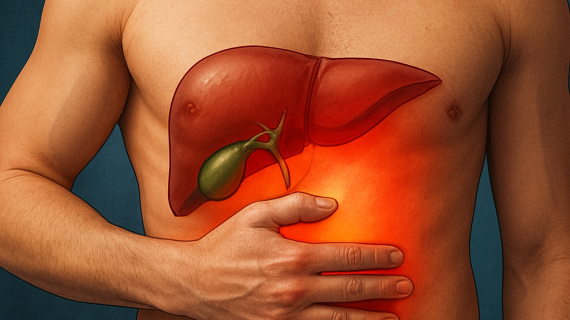
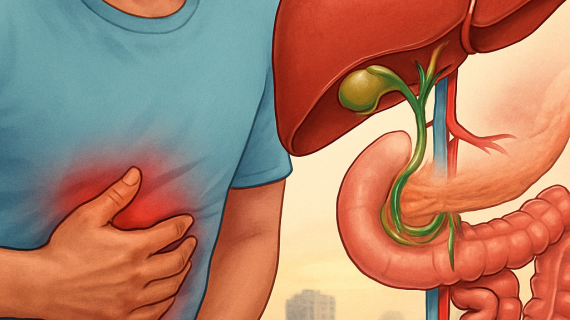
Gallstones are solid deposits that develop in the gallbladder, a small organ positioned beneath the liver. The primary symptom is acute, severe pain in the upper right abdomen that may extend to the back or right shoulder blade. This pain typically occurs 30 minutes to several hours after consuming high-fat foods, as the gallbladder contracts to release bile for fat digestion.
Nausea and vomiting frequently accompany these pain episodes. Jaundice represents another significant symptom, characterized by yellowing of the skin and sclera (whites of the eyes). This condition develops when gallstones obstruct the bile duct, impeding normal bile flow.
Additional indicators include dark-colored urine and clay-colored or pale stools, both reflecting impaired bile processing. Other symptoms may include fever, chills, and digestive disturbances such as bloating or indigestion. Early recognition of these symptoms enables timely medical evaluation and treatment, reducing the risk of complications such as cholangitis, pancreatitis, or gallbladder perforation.
Key Takeaways
- Early recognition of gallstone symptoms and gallbladder pain is crucial for timely treatment.
- Knowing the signs of a gallbladder attack helps in deciding when to seek urgent medical care.
- Delaying gallbladder surgery can lead to serious complications, emphasizing the importance of prompt intervention.
- Proper preparation and understanding of the surgery process improve recovery outcomes.
- Adopting lifestyle changes post-surgery supports long-term gallbladder health and overall well-being.
Recognizing Gallbladder Pain
Gallbladder pain can be quite distinctive, often described as a sharp or cramping sensation in the upper right quadrant of your abdomen. This pain may come in waves, intensifying after meals, particularly those high in fat. You might find that the discomfort lasts anywhere from a few minutes to several hours, making it difficult to pinpoint the exact cause.
If you notice this pattern, it’s essential to pay attention to your body’s signals and consider the possibility of gallbladder issues. In some cases, the pain may be accompanied by other symptoms such as bloating, indigestion, or gas. You might feel a sense of fullness even after eating small amounts of food.
This discomfort can significantly impact your quality of life, making everyday activities challenging. If you find yourself frequently experiencing these symptoms, it’s crucial to consult with a healthcare professional who can provide guidance and support in managing your gallbladder health.
Identifying Gallbladder Attack Signs

A gallbladder attack typically occurs when a gallstone obstructs the bile duct, leading to intense pain and discomfort. You may recognize the onset of an attack by sudden and severe pain in your abdomen, often described as a sharp or stabbing sensation. This pain can last for several hours and may be accompanied by nausea or vomiting.
If you find yourself experiencing these symptoms, it’s essential to take them seriously and seek medical attention if they persist. In addition to abdominal pain, you might notice other signs that indicate a gallbladder attack is occurring. These can include fever, chills, or even changes in your skin color, such as jaundice.
If you experience any of these symptoms alongside abdominal pain, it’s crucial to reach out to a healthcare provider promptly. Early intervention can help prevent complications and ensure that you receive the appropriate care for your condition.
When to Seek Medical Attention for Gallbladder Issues
Knowing when to seek medical attention for gallbladder issues is vital for your health and well-being. If you experience severe abdominal pain that lasts more than a few hours or is accompanied by fever, chills, or jaundice, it’s essential to contact a healthcare professional immediately. These symptoms may indicate a serious condition that requires prompt evaluation and treatment.
Additionally, if you notice persistent nausea or vomiting that prevents you from keeping food or fluids down, it’s crucial to seek medical help. Dehydration can quickly become a concern in such situations, and medical professionals can provide the necessary care to address both your symptoms and any underlying issues with your gallbladder. Trusting your instincts and advocating for your health is key when it comes to managing gallbladder-related concerns.
The Importance of Timely Gallbladder Surgery
| Warning Sign | Description | Possible Symptoms | Urgency Level |
|---|---|---|---|
| Severe Abdominal Pain | Sudden, intense pain in the upper right abdomen indicating gallbladder inflammation or blockage. | Sharp pain, radiating to back or right shoulder, lasting more than a few hours. | Immediate |
| Jaundice | Yellowing of the skin and eyes due to bile duct obstruction. | Yellow skin/eyes, dark urine, pale stools. | Immediate |
| Fever and Chills | Signs of infection such as cholecystitis or gallbladder abscess. | High fever, chills, sweating, nausea. | Immediate |
| Persistent Nausea and Vomiting | Inability to keep food down due to gallbladder dysfunction. | Continuous nausea, vomiting, dehydration risk. | Urgent |
| Abdominal Tenderness and Swelling | Inflammation causing tenderness and swelling in the abdomen. | Swollen abdomen, pain on touch, discomfort. | Urgent |
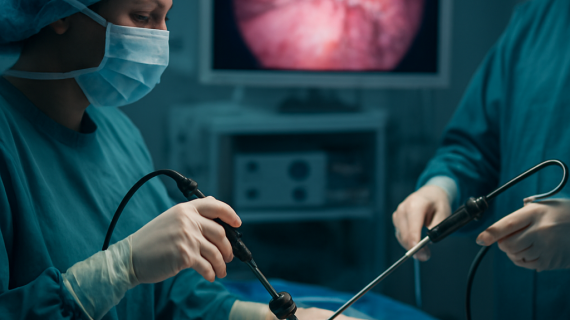
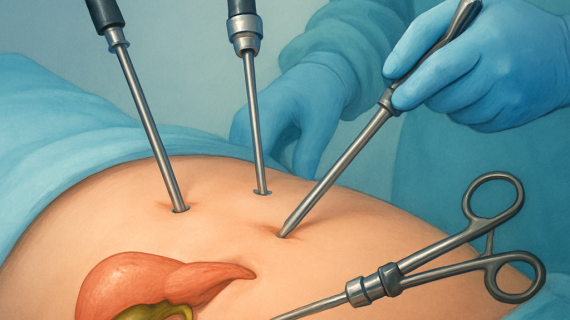
When gallstones cause significant symptoms or complications, timely gallbladder surgery may be necessary. The procedure, known as cholecystectomy, involves the removal of the gallbladder and is often performed laparoscopically for quicker recovery times. Understanding the importance of addressing gallbladder issues promptly can help prevent further complications and improve your overall quality of life.
Delaying surgery can lead to more severe health problems, such as pancreatitis or infections. By opting for timely intervention, you not only alleviate painful symptoms but also reduce the risk of developing additional complications that could arise from untreated gallstones. Consulting with a healthcare provider about the best course of action for your specific situation is essential in ensuring optimal health outcomes.
Dr.
He advises patients to thoroughly discuss their symptoms and medical history with their healthcare provider to determine the most appropriate treatment plan.
In addition to discussing surgical options, Dr. Arefin encourages patients to consider lifestyle modifications that can support gallbladder health post-surgery.
These changes may include adopting a balanced diet low in saturated fats and high in fiber, which can help prevent future gallstone formation. By taking an active role in your health journey and following expert advice, you can enhance your recovery and overall well-being.
Potential Complications of Delaying Gallbladder Surgery
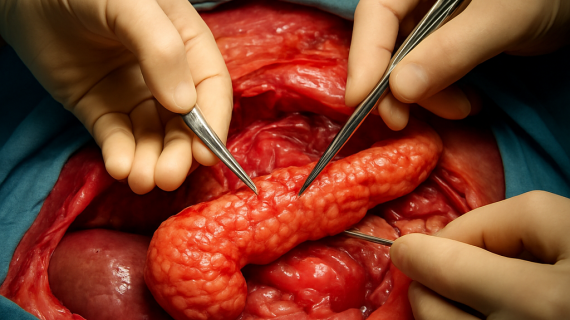
Delaying gallbladder surgery can lead to various complications that may significantly impact your health. One potential issue is the development of acute cholecystitis, an inflammation of the gallbladder that can cause severe pain and fever. If left untreated, this condition may require more extensive surgical intervention and prolong recovery time.
Another complication that may arise from delaying surgery is pancreatitis, which occurs when a gallstone blocks the pancreatic duct. This condition can lead to severe abdominal pain and requires immediate medical attention. By addressing gallbladder issues promptly through surgery, you can minimize the risk of these complications and ensure a smoother recovery process.
Preparing for Gallbladder Surgery: What to Expect
Preparing for gallbladder surgery involves several important steps to ensure a successful procedure and recovery. Before the surgery date, you will likely undergo various tests and evaluations to assess your overall health and determine the best surgical approach. Your healthcare provider will provide specific instructions regarding dietary restrictions leading up to the surgery, which may include avoiding certain foods or fasting for a period.
On the day of the surgery, you will be given anesthesia to ensure you are comfortable throughout the procedure. The surgery itself typically lasts about one to two hours, depending on individual circumstances. Afterward, you will be monitored in a recovery area before being discharged home with instructions for post-operative care.
Understanding what to expect during this process can help alleviate any anxiety you may have about the surgery.
Recovery and Aftercare Following Gallbladder Surgery
Recovery after gallbladder surgery varies from person to person but generally involves some common experiences. You may feel groggy or fatigued due to anesthesia but should gradually regain your energy over the following days. It’s essential to follow your healthcare provider’s post-operative instructions carefully, including guidelines on activity levels and dietary modifications.
During the initial recovery period, you might experience some discomfort or mild pain at the surgical site. Over-the-counter pain medications can help manage this discomfort effectively. Additionally, staying hydrated and gradually reintroducing solid foods into your diet will support your healing process.
Keeping an open line of communication with your healthcare provider during recovery is crucial for addressing any concerns or questions that may arise.
Lifestyle Changes to Support Gallbladder Health Post-Surgery
After gallbladder surgery, making certain lifestyle changes can significantly enhance your overall health and well-being. One key adjustment is adopting a balanced diet rich in fruits, vegetables, whole grains, and lean proteins while minimizing saturated fats and processed foods. This dietary shift not only supports digestion but also helps prevent future gallstone formation.
Incorporating regular physical activity into your routine is another essential aspect of maintaining gallbladder health post-surgery. Engaging in moderate exercise can aid digestion and promote overall wellness. Additionally, staying hydrated by drinking plenty of water throughout the day is vital for supporting bodily functions and preventing constipation—a common concern after surgery.
Seeking Support and Guidance for Gallbladder Health
Navigating gallbladder health can be challenging, but seeking support and guidance from healthcare professionals is crucial for managing your condition effectively. Don’t hesitate to reach out to your doctor or a specialist if you have questions or concerns about your symptoms or recovery process. They can provide valuable insights tailored to your unique situation.
Additionally, consider joining support groups or online communities where individuals share their experiences with gallbladder issues. Connecting with others who have faced similar challenges can provide emotional support and practical advice as you navigate your journey toward better health. Remember that you are not alone in this process; seeking help is a sign of strength as you prioritize your well-being.
If you’re concerned about your gallbladder health, it’s essential to recognize the warning signs that may indicate the need for surgery. In addition to the insights provided in the article “5 Warning Signs You Need Gallbladder Surgery Immediately | Expert Advice from Dr. Arefin,” you might find it helpful to explore related topics on effective communication in healthcare. For instance, the article on crafting captivating headlines can enhance your understanding of how to present health information engagingly. You can read more about it here.
FAQs
What are the common symptoms indicating the need for gallbladder surgery?
Common symptoms include severe abdominal pain, especially in the upper right quadrant, nausea, vomiting, fever, jaundice, and digestive issues such as bloating or intolerance to fatty foods.
How quickly should I seek medical attention if I experience gallbladder pain?
If you experience intense or persistent pain, especially accompanied by fever, jaundice, or vomiting, you should seek medical attention immediately as these could be signs of complications requiring urgent surgery.
What causes gallbladder problems that might require surgery?
Gallbladder issues often arise from gallstones blocking the bile ducts, inflammation (cholecystitis), infection, or gallbladder dysfunction, which can lead to pain and other serious complications.
Is gallbladder surgery a common procedure?
Yes, gallbladder removal (cholecystectomy) is a common and generally safe surgical procedure often performed laparoscopically with a quick recovery time.
Can gallbladder problems be treated without surgery?
Mild gallbladder issues may be managed with dietary changes and medication, but surgery is often necessary if there are severe symptoms, recurrent attacks, or complications.
What are the risks of delaying gallbladder surgery when it is needed?
Delaying surgery can lead to worsening infection, gallbladder rupture, pancreatitis, or other serious complications that may require emergency treatment.
How is gallbladder disease diagnosed?
Diagnosis typically involves a physical exam, blood tests, and imaging studies such as ultrasound or CT scans to detect gallstones or inflammation.
What should I expect during recovery from gallbladder surgery?
Recovery usually involves a few days of rest, gradual return to normal diet, and avoiding heavy lifting for a few weeks. Most patients resume normal activities within 1-2 weeks after laparoscopic surgery.