Liver Transplant Surgery: Complete Guide to the Procedure and Recovery
Liver transplant surgery is a life-changing procedure that offers hope to those suffering from severe liver conditions such as cirrhosis or hepatitis. In this comprehensive guide, we will walk you through the essential aspects of the liver transplant process—from understanding eligibility and the surgical procedure to navigating post-operative care and recovery. Whether you're considering a transplant for yourself or a loved one, this article aims to provide you with the knowledge and reassurance you need during this critical journey.
Understanding Liver Transplantation
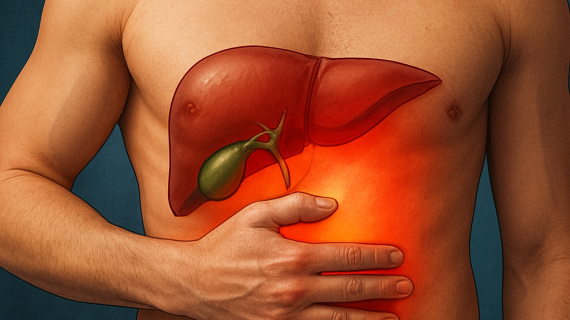
Liver transplantation is a surgical procedure that replaces a diseased liver with a healthy one from a donor. This can be from a deceased donor or through living donation, where a portion of the liver is taken from a living person. The success of this procedure hinges on several factors, including the underlying condition of the patient and the careful matching of donor and recipient.
Common conditions that necessitate a liver transplant include cirrhosis, acute liver failure, and certain types of hepatitis. Cirrhosis, often caused by chronic alcohol use or viral hepatitis, leads to irreversible scarring of the liver. Patients with advanced cirrhosis often require transplantation before they develop severe complications such as liver cancer or hepatic encephalopathy.
Statistics on Liver Transplants in Bangladesh
In Bangladesh, the demand for liver transplants has increased significantly over recent years due to rising rates of chronic liver disease. As of now, thousands are on the waiting list for a transplant, highlighting both the need for organ donation awareness and the challenges faced in matching donors with recipients. For instance, while hospitals like Popular Medical College Hospital have made strides in performing successful surgeries, many patients still wait months or even years for suitable organs.
One practical insight to consider is that while living donor transplants offer quicker options for patients compared to deceased donors, they come with their own set of risks and ethical considerations. The decision to proceed with living donation requires thorough evaluation not only of medical compatibility but also psychological readiness. A real-world example includes cases where family members step forward to donate part of their liver to loved ones suffering from end-stage liver disease—this can significantly reduce waiting time and improve outcomes.
Overcoming misconceptions about organ donation is crucial; many people mistakenly believe that living donations are too risky or complicated.
Indications for Liver Transplant Surgery
Liver transplant surgery is often the last resort for patients suffering from severe liver dysfunction. The primary indications for this procedure include chronic liver disease, acute liver failure, and certain types of liver tumors. Each of these conditions presents unique challenges that can significantly impair liver function and overall health.
Chronic Liver Disease
Chronic liver disease encompasses various conditions such as cirrhosis and hepatitis that lead to progressive liver damage over time. Patients with advanced cirrhosis face a high risk of life-threatening complications, making them prime candidates for transplantation. For instance, a patient with cirrhosis due to chronic alcohol abuse may find themselves needing a transplant once their liver function deteriorates beyond recovery.
Acute Liver Failure
Acute liver failure can occur suddenly and is often triggered by factors such as viral infections or drug toxicity. This condition requires immediate intervention; without a timely transplant, patients may face rapid decline and death. A practical example includes cases where young adults experience acute failure due to acetaminophen overdose—these patients often require urgent referral to transplant centers.
Liver Tumors
Certain types of primary liver tumors or metastatic cancers affecting the liver can also necessitate transplantation. In cases where tumors are confined to the liver and have not spread elsewhere, a transplant may provide the best chance for long-term survival. However, the presence of cancer complicates eligibility; careful evaluation is essential to determine if the tumor meets specific criteria for resection or transplantation.
Understanding the nuances of each condition is crucial for assessing transplant eligibility.
Pre-Operative Assessment
The pre-operative assessment for a liver transplant is critical in determining a patient's suitability for the procedure. This phase involves comprehensive medical evaluations and psychosocial assessments that ensure the patient is physically and mentally prepared for surgery. Failing to address any underlying health issues or psychological concerns can compromise the success of the transplant.
Medical Evaluation
During the medical evaluation, various tests are conducted to assess liver function, overall health, and any comorbidities that may affect the surgery. Blood tests, imaging studies like ultrasound or CT scans, and assessments of heart and lung function are standard procedures. For instance, a patient with existing cardiovascular conditions may need specialized evaluations to ensure they can safely undergo anesthesia.
A practical insight here is that patients often underestimate the importance of addressing comorbid conditions before surgery. For example, a diabetic patient may need tighter blood sugar control prior to undergoing a transplant to minimize surgical risks. Neglecting these factors could lead to complications during or after surgery.
Psychosocial Assessment
The psychosocial assessment evaluates a patient’s mental health, support systems, and readiness for transplantation. This includes screening for depression or anxiety disorders, which can significantly impact recovery outcomes. A solid support network is crucial; research indicates that patients with strong family and social support tend to have better post-operative results.
For example, consider a patient who has been on the waiting list for a liver transplant but struggles with depression related to their illness. Addressing these mental health issues through counseling or medication can enhance their overall outlook and willingness to engage in post-operative care.
Organ Matching Process
Once medical evaluations are complete, the organ matching process begins. This involves matching blood types and tissue compatibility between donor and recipient, which is crucial for minimizing rejection risks post-transplant. The complexity of this process means that patients often remain on waiting lists while suitable organs are identified.
Being informed about your blood type and understanding how it affects your wait time can provide valuable insights into your potential timeline for receiving a transplant.
The Surgical Procedure
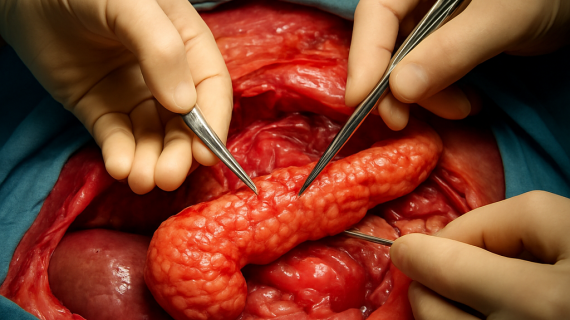
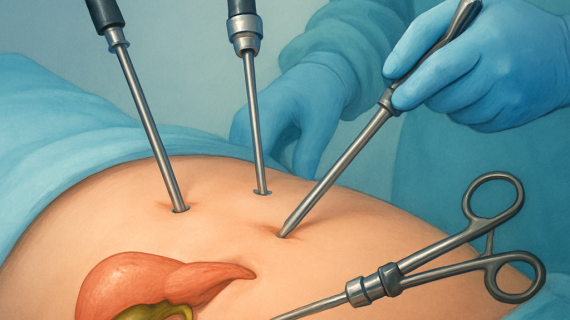
Liver transplant surgery is a complex and highly technical procedure that involves several critical steps to ensure the successful replacement of a diseased liver with a healthy one. The surgery typically begins with an incision in the abdomen, allowing access to the liver and surrounding organs. Surgeons carefully detach the diseased liver from its blood vessels and bile ducts before implanting the donor liver, which is then connected to the recipient's blood supply.
Overview of the Surgery Process
The entire surgical process can be divided into three main phases: preparation, transplantation, and closure. During preparation, patients are positioned on the operating table, and vital signs are monitored closely. The transplant phase involves removing the damaged liver and implanting the new one, which requires meticulous attention to detail to ensure proper blood flow and function. Finally, in the closure phase, surgeons will suture the incision site while ensuring that all connections are secure.
Anesthesia Used During Surgery
General anesthesia is used during liver transplant surgery. This means that patients will be completely unconscious throughout the procedure. Anesthesiologists play a crucial role in managing anesthesia levels and monitoring vital signs during surgery to prevent complications related to anesthesia itself. It's important for patients to discuss any concerns regarding anesthesia with their medical team ahead of time.
Duration of Surgery
The duration of a liver transplant can vary significantly based on individual circumstances but generally ranges from six to twelve hours. Factors such as the complexity of the case, whether it's a living or deceased donor transplant, and any additional procedures required can influence this timeline. For instance, if complications arise during surgery—such as bleeding or issues with organ placement—additional time may be necessary.
Understanding that liver transplantation is time-intensive highlights why careful pre-operative assessment is essential; it prepares both patient and surgical team for potential complexities.
Post-Operative Care
Post-operative care following a liver transplant is crucial for ensuring the success of the procedure and minimizing complications. This phase begins immediately after surgery and continues throughout the recovery process, requiring diligent monitoring and adherence to medical guidelines.
Immediate Recovery Phase
In the immediate recovery phase, patients are transferred to an intensive care unit (ICU) for close monitoring. This period typically lasts from one to three days, during which vital signs are constantly checked, and any signs of complications—such as bleeding or infection—are promptly addressed. For example, a patient might require blood transfusions if there is significant blood loss during surgery.
Monitoring for Complications
Ongoing monitoring is essential in the days following surgery. Specific attention is given to liver function tests, which help assess how well the new liver is performing. Patients may experience fluctuations in these tests as their body adjusts to the new organ; however, significant deviations can indicate rejection or other complications. A practical insight here is that recognizing early warning signs—such as jaundice or unusual abdominal pain—can drastically improve outcomes.
Pain Management Strategies
Pain management after a liver transplant involves a multi-faceted approach, often including medications like opioids followed by non-opioid analgesics. It's critical for patients to communicate openly about their pain levels with their healthcare team. Some may underestimate their pain due to fear of addiction or side effects; however, effectively managing pain is vital for facilitating mobility and recovery.
- Engage in light physical activity as soon as permitted to promote circulation.
- Follow dietary restrictions closely to support liver health during recovery.
- Attend all follow-up appointments for ongoing evaluation of liver function.
Effective post-operative care significantly enhances recovery outcomes.
Long-Term Recovery After Liver Transplant
Long-term recovery after a liver transplant is a multifaceted process that significantly impacts the patient's overall health and quality of life. While the immediate post-operative phase is critical, the long-term journey involves careful management of health, lifestyle changes, and ongoing medical support.
Follow-up Appointments
Regular follow-up appointments are essential for monitoring liver function and managing any potential complications. Patients typically have appointments scheduled weekly or monthly in the first year post-transplant, transitioning to less frequent visits as their condition stabilizes. During these visits, healthcare providers assess liver enzyme levels, kidney function, and other critical health indicators.
For example, a patient may undergo regular blood tests to monitor for signs of rejection or infection. Detecting issues early can lead to timely interventions that prevent severe complications.
Lifestyle Changes and Medication Adherence
Adopting significant lifestyle changes is necessary after a liver transplant. This includes adhering to a healthy diet that supports liver health, engaging in regular physical activity, and avoiding substances that can harm the liver. Patients must also commit to taking immunosuppressive medications as prescribed to prevent organ rejection.
Failure to adhere to medication regimens can lead to serious complications such as organ rejection or graft failure.
Consider a patient who enjoys social drinking but must abstain completely after transplantation. Understanding the importance of this change is crucial for long-term success. This scenario illustrates how lifestyle choices directly affect recovery outcomes.
Potential Complications and How to Manage Them
Even with diligent care, patients may face complications such as infections or issues related to immunosuppressive therapy. Recognizing early signs—like fever or unusual fatigue—can be vital in managing these risks effectively.
- Cognitive changes: Some patients experience difficulties with memory or concentration due to medications.
- Physical changes: Weight gain or loss can occur; maintaining a balanced diet is crucial.
- Mental health: The psychological impact of living with a transplant can lead to anxiety or depression.
Success Rates and Prognosis
Liver transplant success rates have improved significantly over the past few decades. Generally, the one-year survival rate for liver transplant recipients is around 90%, while five-year survival rates can be as high as 75-80%. These statistics reflect advancements in surgical techniques, post-operative care, and immunosuppressive therapies that help prevent organ rejection.
Statistical Outcomes for Liver Transplants
In Bangladesh, the landscape of liver transplantation is evolving. While hospitals like Popular Medical College Hospital have made considerable strides in improving outcomes, challenges remain. For instance, patients needing a transplant often face lengthy waiting periods due to a shortage of available organs. In practical terms, this means that while many patients are successfully transplanted, the time spent on waiting lists can affect overall prognosis.
Factors Affecting Success Rates
Several factors influence the success rates of liver transplants. Key among them are the recipient's age and overall health at the time of surgery, the underlying cause of liver disease, and adherence to post-transplant care. For example, younger patients with fewer comorbidities tend to have better outcomes than older patients or those with multiple health issues. Moreover, consistent follow-up care plays a critical role in long-term success; neglecting follow-up appointments can lead to complications that jeopardize the transplant.
A common misconception is that all recipients will have similar outcomes regardless of their individual circumstances. In reality, two patients with identical conditions may experience vastly different recovery trajectories based on their unique health profiles and support systems.
Patient Testimonials from Dr. Arefin's Practice
I was terrified before my surgery, shared one patient who underwent a liver transplant due to cirrhosis caused by hepatitis C. 'But after learning about Dr. Arefin's experience and hearing other patients' stories of recovery, I felt hopeful.' This sentiment reflects a broader trend among patients who find reassurance in shared experiences and professional expertise.
The first few months were challenging, another patient recounted, but following my doctor’s advice on medication adherence made all the difference. Such testimonials emphasize not only the medical aspects of recovery but also the psychological support needed during this journey.
Understanding your individual risk factors can significantly affect your approach to treatment and recovery.
Support Resources for Patients
Navigating the complexities of liver transplant surgery can feel overwhelming, but numerous support resources are available to assist patients and their families throughout this journey. These resources not only provide essential information but also foster a sense of community, which is crucial during such a challenging time.
Local Support Groups in Dhaka
In Dhaka, local support groups play a vital role in connecting patients with others facing similar challenges. Organizations like the Liver Foundation of Bangladesh offer regular meetings where individuals can share experiences and coping strategies. Such groups can alleviate feelings of isolation and anxiety, as patients realize they are not alone in their struggles. For example, attendees often discuss practical tips for managing post-operative care or dealing with the emotional aspects of waiting for a transplant.
Online Resources for Education
The internet is a valuable tool for education about liver transplant procedures and recovery. Websites like the American Liver Foundation provide comprehensive resources on topics ranging from pre-transplant evaluations to dietary restrictions post-surgery. However, it’s crucial to discern credible sources from unreliable information; misinformation can lead to unnecessary anxiety or poor decision-making regarding health.
Counseling Services Available at Popular Medical College Hospital
At Popular Medical College Hospital, counseling services are available specifically tailored for patients undergoing liver transplantation. Professional counselors help address psychological concerns that may arise before and after surgery. This support is particularly important as emotional well-being significantly influences recovery outcomes; patients who engage in counseling often report better adherence to post-operative care plans.
- Access to trained mental health professionals who understand transplant-related issues.
- Support groups focusing on shared experiences among liver transplant recipients.
- *Workshops covering topics like nutrition, medication adherence, and lifestyle changes.
*Utilizing available resources can enhance both emotional support and practical knowledge during the transplant journey.