How to Maintain Optimal Liver Function and Health
Understanding Liver Function and Its Role in Overall Health
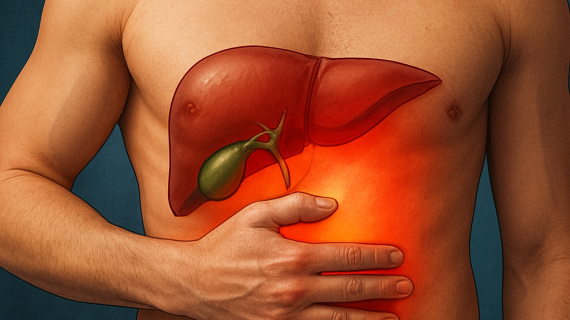
Did you know that your liver performs over 500 functions daily? That's right! This unsung hero of your body is not just a filter for toxins; it's a multitasking powerhouse crucial for digestion, metabolism, and even immune function.
Imagine this: you're enjoying a delicious plate of biryani. While you're savoring every bite, your liver is hard at work breaking down the nutrients, producing bile to aid fat digestion, and ensuring that your blood is free of harmful substances. It's like having a personal chef and security guard rolled into one!
Key Functions of the Liver
- Detoxification: The liver filters out toxins from the blood, ensuring they don’t wreak havoc on your body.
- Bile Production: Essential for digesting fats and absorbing fat-soluble vitamins.
- Metabolism Regulation: It plays a pivotal role in converting nutrients from food into energy.
- Storage: The liver stores vitamins, minerals, and glycogen to keep your body fueled.
Neglecting liver health can lead to serious consequences. Fatty liver disease, hepatitis, or even cirrhosis can develop when this vital organ is overwhelmed by poor lifestyle choices like excessive alcohol consumption or high-fat diets. Think of it as ignoring the warning lights on your car's dashboard—eventually, something's going to break down.
Important: Maintaining optimal liver function is not just about avoiding harm; it's also about supporting its natural processes through diet and lifestyle.
The Connection Between Liver Function and Overall Health
Your liver is the body's biochemical factory, says Dr. Arefin. When it’s functioning well, you feel energized and healthy; when it’s not, everything from digestion to mood can be affected. For instance, if your liver isn’t producing enough bile due to dysfunction, you might experience digestive issues like bloating or diarrhea after meals.
But what if I already have liver issues? you might ask. The good news is that many conditions can be managed or even reversed with proper care. Regular check-ups with healthcare professionals familiar with hepatobiliary health can catch potential problems early.
(How to Support Your Liver Function)
Supporting your liver function doesn’t have to be complicated, Dr. Arefin explains. Simple steps like incorporating leafy greens into your meals or staying hydrated can make a considerable difference over time. Think of it as giving your body the tools it needs to keep this vital organ thriving.
Ultimately, understanding how critical liver function is helps you appreciate its role in maintaining health. So next time you enjoy a meal or sip on water, remember—your liver is right there cheering you on!
Dietary Choices for Supporting Liver Health
Your liver is like a diligent office worker, handling paperwork (a.k.a toxins) and ensuring everything runs smoothly. But what happens when the lunch menu is filled with greasy takeout? That's right—productivity plummets! In fact, studies show that nearly 25% of adults globally suffer from fatty liver disease, often linked to poor dietary choices.
The Power of Whole Foods
Whole foods are your liver's best friends. Think of them as the all-star team that helps your liver tackle its daily tasks. Foods rich in antioxidants, like berries and leafy greens, combat oxidative stress and support detoxification processes. For instance, spinach and kale not only add color to your plate but also pack a punch with vitamins A and C, which are crucial for liver health.
Healthy Fats vs. Unhealthy Fats
Not all fats are created equal—your liver can distinguish between the good guys and the bad guys! Healthy fats from sources like avocados, nuts, and olive oil can actually help reduce inflammation in the liver. On the flip side, trans fats found in processed snacks or fast food can lead to fat accumulation in the liver. It’s like inviting a party crasher who eats all your snacks; no one wants that!
- Leafy greens: Spinach, kale, and arugula.
- Cruciferous vegetables: Broccoli and cauliflower.
- Healthy fats: Avocados, nuts, and olive oil.
- Fruits: Berries, citrus fruits like oranges and lemons.
- Lean proteins: Fish, chicken breast, and legumes.
Hydration is Key: Staying hydrated helps your liver flush out toxins more effectively.
(Avoiding Alcohol and Sugary Drinks)
'Just one drink won't hurt,' you might think. But for a struggling liver, even small amounts can add up to big problems over time. Alcohol is notorious for causing inflammation—and when it comes to sugary drinks? They’re just as bad! Excess sugar intake can lead to fatty deposits in the liver. So next time you're at a gathering in Dhanmondi enjoying some biryani with friends, consider opting for water or fresh juice instead.
The Role of Hydration in Liver Function Maintenance
Hydration isn’t just about quenching your thirst; it’s a lifeline for your liver. Picture this: your liver is like a sponge, soaking up nutrients and filtering out toxins. But what happens when that sponge runs dry? It can't do its job effectively, leading to a cascade of health issues.
Surprisingly, studies show that nearly 75% of Americans are chronically dehydrated. This isn’t just a statistic; it means countless livers are struggling to perform their myriad functions. When hydration levels drop, so does liver function efficiency, which can lead to conditions like fatty liver disease or even cirrhosis over time.
Staying hydrated helps your liver flush out toxins more effectively.
Imagine you're at a bustling Dhanmondi market, surrounded by vibrant fruits and veggies. You pick up a fresh coconut water—nature's perfect hydration solution. Not only does it taste refreshing, but it also provides essential electrolytes that support liver health. Hydration aids in bile production, which is vital for digesting fats and absorbing nutrients.
How Dehydration Affects Liver Function
When you’re not drinking enough water, your liver has to work overtime. Think of it like running a marathon without proper training—you’ll tire out quickly! Dehydration can lead to increased levels of toxins in the bloodstream as the liver struggles to filter them out efficiently. This can manifest as fatigue, digestive issues, and even skin problems.
- Increased risk of fatty liver disease due to impaired fat metabolism.
- Reduced bile production leading to poor digestion.
- Higher levels of toxins in the bloodstream causing fatigue and malaise.
(Tips for Staying Hydrated)
Water is life isn’t just a catchy phrase; it's an essential truth for maintaining optimal liver function. Here are some practical tips to keep your hydration levels up:
- Carry a reusable water bottle with you—make it your trusty sidekick.
- Set reminders on your phone to drink water throughout the day.
- Infuse your water with fruits like lemon or cucumber for added flavor.
- Include hydrating foods in your diet—think cucumbers, oranges, and watermelon.
But what about my morning tea or coffee? you might wonder. While they do contribute some hydration, they shouldn’t be substitutes for plain old water. Caffeine can have diuretic effects if consumed in excess.
Ultimately, keeping yourself well-hydrated is one of the simplest yet most effective ways to support your liver function. So next time you reach for that drink, remember: every sip counts!
Exercise as a Component of Liver Health Management
If you think exercise is just about fitting into your favorite pair of jeans, think again! Regular physical activity is a powerful ally in maintaining optimal liver function. In fact, studies reveal that engaging in moderate exercise can reduce the risk of liver disease by up to 40%.
Imagine a bustling Dhanmondi street where everyone is moving—joggers, cyclists, and even families walking their dogs. This vibrant scene isn’t just good for the heart; it’s also a boon for your liver. Exercise boosts circulation and helps your liver process nutrients effectively, making it a critical component of liver health management.
The Science Behind Exercise and Liver Function
Physical activity enhances insulin sensitivity, which is crucial for managing blood sugar levels. When insulin works efficiently, the liver can focus on its primary functions without being overwhelmed by excess glucose or fat. This leads to improved fat metabolism and reduced risk of fatty liver disease—a condition that’s becoming alarmingly common in urban areas like Dhaka.
Moreover, exercise stimulates the production of hormones that help regulate fat storage and breakdown in the liver. It’s like giving your liver a pep talk—Hey there! Let’s get to work on breaking down those fats!
(Types of Exercises Beneficial for Liver Health)
- Aerobic exercises: Activities like brisk walking, cycling, or swimming help improve cardiovascular health and enhance blood flow to the liver.
- Strength training: Lifting weights or using resistance bands can help build muscle mass, which improves metabolism and fat processing.
- Flexibility exercises: Yoga or stretching not only promote overall well-being but also reduce stress—another factor that can negatively impact liver health.
Important: Aim for at least 150 minutes of moderate aerobic activity each week combined with muscle-strengthening activities on two or more days.
(Real-World Application)
'But I don't have time,' you might say. Well, let’s flip that script! Consider incorporating short bursts of activity into your daily routine—take the stairs instead of the elevator or go for a quick walk during lunch breaks. Every little bit counts!
Incorporating exercise into your lifestyle doesn’t require an expensive gym membership or hours spent on complicated routines. Just remember: every step you take is one step closer to supporting your liver health!
Monitoring Liver Health: Tests and Indicators
Your liver is a silent workhorse, but ignoring its cries for help can lead to serious health issues. Did you know that liver disease is the second leading cause of global deaths from non-communicable diseases? It’s time to tune in to what your liver is trying to tell you!
Monitoring liver function isn’t just about keeping an eye on symptoms; it’s about understanding the indicators that can reveal what’s happening beneath the surface. For instance, if you’ve ever experienced unexplained fatigue or digestive issues, it might be your liver waving a red flag.
Key Tests for Liver Function
Several tests can help gauge how well your liver is functioning. Here are some of the most common ones:
- Liver Function Tests (LFTs): This panel measures enzymes, proteins, and substances like bilirubin in your blood, giving insight into how well your liver is performing.
- Ultrasound: A non-invasive imaging technique that can detect fatty liver disease or structural abnormalities.
- CT Scan or MRI: These imaging methods provide detailed views of the liver and surrounding organs to identify tumors or other issues.
- Liver Biopsy: In certain cases, a small sample of liver tissue may be taken for analysis to assess damage.
Regular screening is essential, especially if you're at risk due to factors like obesity or heavy alcohol use.
(Indicators of Liver Health)
So, what should you look out for? you might ask. Here are some key indicators that suggest your liver might not be in top shape:
- Jaundice: Yellowing of the skin and eyes indicates elevated bilirubin levels.
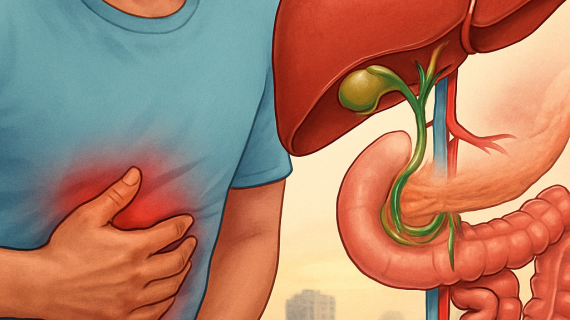
- Abdominal Pain: Discomfort in the upper right abdomen could signal inflammation or swelling.
- Fatigue: Persistent tiredness may indicate that your liver isn't filtering toxins effectively.
- Dark Urine and Pale Stools: Changes in urine and stool color can reflect bilirubin processing issues.
But I feel fine! you might think. The truth is that many individuals with liver dysfunction experience no symptoms until significant damage has occurred. That’s why regular check-ups with healthcare professionals are crucial.
Incorporating these tests into your routine healthcare plan isn’t just smart; it's essential for maintaining optimal liver function. Think of it as preventative maintenance—just like taking your car in for service before it breaks down!
Ultimately, being proactive about monitoring your liver health empowers you to make informed decisions about lifestyle changes and treatments if necessary. So next time you're at Popular Medical College Hospital for a check-up, don’t hesitate to ask about which tests are right for you!
Managing Risk Factors for Liver Disease
Liver disease can feel like a stealthy ninja, creeping up on you when you least expect it. In fact, studies show that about 1 in 4 adults globally have some form of fatty liver disease, often without even knowing it. That’s right—your liver could be throwing a silent tantrum while you’re busy enjoying life!
Let’s face it: life in Dhaka can be a whirlwind of delicious street food and late-night gatherings. But with great culinary delights comes great responsibility. Managing risk factors for liver disease is crucial, especially if you want your liver to keep functioning like the well-oiled machine it is.
Common Risk Factors
- Excessive Alcohol Consumption: Regularly exceeding recommended limits can lead to inflammation and scarring.
- Obesity: Carrying extra weight increases the risk of fatty liver disease.
- Sedentary Lifestyle: Lack of physical activity contributes to poor metabolic health.
- Poor Diet: High intake of processed foods and sugars can overwhelm the liver.
Important: Recognizing these risk factors is the first step towards protecting your liver health.
(Tackling the Risks)
So how do I combat these risks? you might ask. Well, here are some actionable strategies that can make a world of difference.
- Limit Alcohol Intake: Stick to moderate drinking guidelines—no more than one drink per day for women and two for men.
- Adopt a Balanced Diet: Focus on whole foods rich in antioxidants and healthy fats while cutting back on processed snacks.
- Get Moving: Aim for at least 150 minutes of moderate exercise each week. Think brisk walking or cycling around Dhanmondi Park!
- Monitor Your Weight: Keeping your weight within a healthy range is key—consider consulting a nutritionist for personalized guidance.
But what if I’m already experiencing symptoms? you might wonder. Early detection is vital! Regular check-ups with healthcare professionals can help catch any issues before they escalate into serious problems.
(A Real-World Example)
Take Ahmed, for instance—a busy professional who loved his biryani but ignored his growing waistline and fatigue. After a routine check-up revealed elevated liver enzymes, he took action by revamping his diet and incorporating daily walks into his routine. Fast forward six months, and he feels more energetic than ever!
The moral of the story? Your liver doesn’t have to be an unsung hero suffering in silence. By managing risk factors effectively, you empower yourself to live fully while keeping this vital organ happy.
Integrative Approaches to Enhance Liver Function
Imagine your liver as the ultimate multitasker, juggling detoxification, metabolism, and nutrient storage all at once. Now, what if I told you that a few simple integrative approaches could supercharge this vital organ's performance? That's right—enhancing liver function isn't just about avoiding bad habits; it's about embracing a holistic lifestyle.
In fact, studies indicate that incorporating integrative practices can significantly improve liver health. For instance, a study published in the Journal of Hepatology showed that patients who engaged in regular physical activity alongside dietary changes experienced a notable decrease in liver fat content—up to 40% over six months! Now, that's impressive.
Nutrition: The Foundation of Liver Health
You can't talk about enhancing liver function without mentioning nutrition. Think of your diet as the fuel for your liver's engine. A balanced intake of whole foods rich in antioxidants and healthy fats can help reduce inflammation and promote optimal function. Foods like leafy greens, berries, and fatty fish are not just trendy; they’re essential for keeping your liver happy.
- Leafy Greens: Spinach and kale help combat oxidative stress.
- Berries: Packed with antioxidants to support detoxification.
- Fatty Fish: Rich in omega-3 fatty acids that reduce inflammation.
- Nuts: A great source of healthy fats and vitamin E.
Key Tip: Aim for a colorful plate—variety is key to ensuring you get all the nutrients your liver craves!
(Mindfulness and Stress Reduction)
Stress might seem like an abstract concept, but its impact on liver function is very real. Chronic stress can lead to inflammation and hinder your liver’s ability to detoxify effectively. Incorporating mindfulness practices such as yoga or meditation can significantly reduce stress levels while enhancing overall well-being.