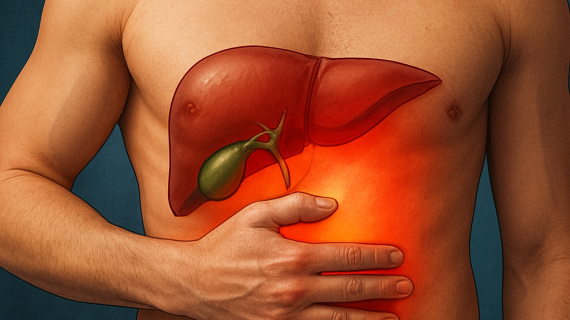
Gallbladder polyps are growths that develop on the inner lining of the gallbladder, a small organ located beneath the liver that plays a crucial role in digestion. These polyps can vary in size and number, and while many are benign, some may pose a risk for gallbladder cancer. Understanding gallbladder polyps is essential for anyone experiencing digestive issues or undergoing routine medical examinations.
The exact cause of these polyps remains unclear, but factors such as age, obesity, and certain medical conditions may contribute to their development. Gallbladder polyps are relatively common, especially in individuals over the age of 50. Most people with gallbladder polyps do not experience any symptoms, which is why they are often discovered incidentally during imaging tests for other conditions.
However, being informed about the potential implications of these growths is vital for health. Regular check-ups and discussions with healthcare providers can help patients stay vigilant and proactive regarding their gallbladder health.
Key Takeaways
- Gallbladder polyps are growths that may require monitoring or treatment based on size and symptoms.
- Diagnosis involves imaging techniques, and symptoms can be subtle or absent.
- Non-surgical treatments focus on monitoring small, asymptomatic polyps.
- Surgery is recommended for larger or symptomatic polyps to prevent complications.
- Seeking expert care and follow-up in Dhaka, including consultation with specialists like Dr. Arefin, ensures optimal treatment and recovery.
Symptoms and Diagnosis
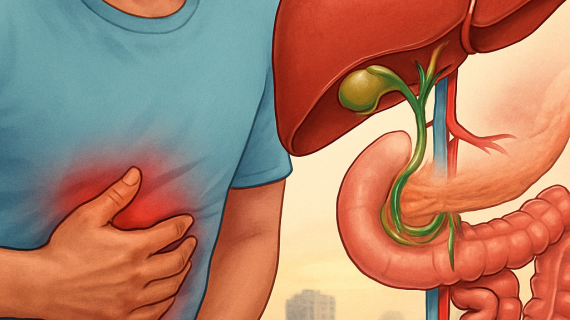
In many cases, gallbladder polyps do not present any noticeable symptoms, making diagnosis somewhat challenging. However, when symptoms do occur, they may include abdominal pain, nausea, or changes in digestion. These symptoms can often be mistaken for other gastrointestinal issues, which is why a thorough evaluation by a healthcare professional is crucial.
If you experience persistent discomfort or unusual digestive changes, it’s important to consult with your doctor for further investigation. Diagnosis typically involves imaging techniques such as ultrasound or CT scans, which can help visualize the gallbladder and identify any polyps present. Your healthcare provider may also recommend blood tests to assess liver function and rule out other potential issues.
If polyps are detected, their size and characteristics will guide your doctor in determining the appropriate course of action. Early diagnosis is key to managing any potential complications associated with gallbladder polyps.
Non-Surgical Treatment Options

For many individuals diagnosed with gallbladder polyps, non-surgical treatment options may be sufficient to manage the condition. If the polyps are small and asymptomatic, your doctor may recommend a watchful waiting approach, which involves regular monitoring through imaging tests to ensure that the polyps do not grow or change in nature. This conservative strategy allows you to avoid unnecessary surgical interventions while keeping an eye on your gallbladder health.
In addition to monitoring, lifestyle modifications can also play a significant role in managing gallbladder health.
Reducing saturated fats and cholesterol intake may also be beneficial, as these dietary changes can help prevent the formation of gallstones, which are often associated with gallbladder polyps.
Engaging in regular physical activity and maintaining a healthy weight can further enhance your gallbladder health and reduce the risk of complications.
When Surgery is Necessary
While many gallbladder polyps can be managed non-surgically, there are certain situations where surgery becomes necessary.
This recommendation is based on the increased risk of gallbladder cancer associated with larger polyps.
Additionally, if you experience recurrent symptoms such as abdominal pain or digestive disturbances that significantly impact your quality of life, surgery may be considered even if the polyps are small. Your healthcare provider will evaluate your individual circumstances and discuss the potential benefits and risks of surgery with you. It’s essential to have open communication with your doctor to make informed decisions regarding your treatment options.
The Importance of Seeking Treatment in Dhaka
| Metric | Details |
|---|---|
| Location | Dhaka, Bangladesh |
| Specialist | Dr. Arefin |
| Condition | Gallbladder Polyps |
| Common Symptoms | Usually asymptomatic; sometimes abdominal pain or discomfort |
| Diagnosis Method | Ultrasound Imaging |
| Polyp Size Threshold for Surgery | Polyps larger than 10 mm |
| Other Surgery Indications | Rapid polyp growth, presence of gallstones, patient symptoms |
| Treatment Options | Monitoring for small polyps; Cholecystectomy for larger or suspicious polyps |
| Follow-up Frequency | Every 6-12 months for polyps under 10 mm |
| Risks of Untreated Large Polyps | Potential malignancy (gallbladder cancer) |
If you find yourself facing a diagnosis of gallbladder polyps, seeking treatment in Dhaka can provide you with access to advanced medical care and expertise. The city is home to numerous healthcare facilities equipped with state-of-the-art technology and experienced professionals who specialize in gastrointestinal health. By consulting with a qualified healthcare provider in Dhaka, you can receive personalized care tailored to your specific needs.
Moreover, seeking treatment in Dhaka allows you to benefit from a collaborative approach to healthcare. Many hospitals and clinics have multidisciplinary teams that include gastroenterologists, surgeons, nutritionists, and other specialists who work together to ensure comprehensive care for patients with gallbladder issues. This integrated approach can enhance your treatment experience and improve outcomes as you navigate your journey toward better health.
Preparing for Gallbladder Polyp Surgery
If surgery is deemed necessary for your gallbladder polyps, proper preparation is essential for a successful outcome. Your healthcare provider will guide you through the pre-operative process, which may include fasting for a certain period before the procedure and undergoing additional tests to assess your overall health. It’s important to follow these instructions carefully to minimize any potential risks during surgery.
In addition to physical preparation, addressing any concerns or anxieties you may have about the surgery is equally important. Open communication with your healthcare team can help alleviate fears and provide clarity about what to expect during the procedure and recovery process. Understanding the steps involved in your surgery can empower you to approach the experience with confidence and peace of mind.
Surgical Procedure for Gallbladder Polyps
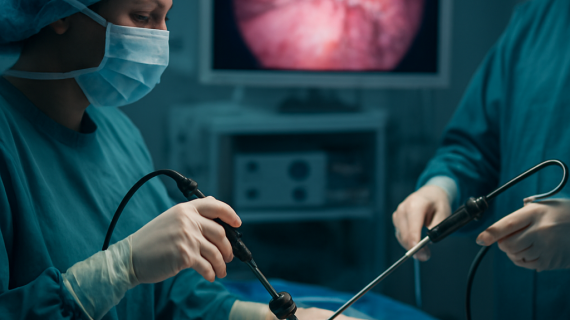
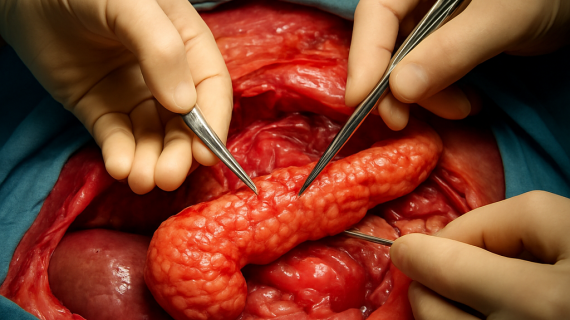
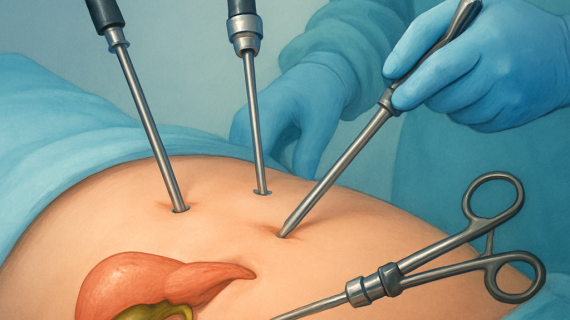
The surgical procedure for gallbladder polyps typically involves laparoscopic cholecystectomy, a minimally invasive technique that allows surgeons to remove the gallbladder through small incisions in the abdomen. This approach offers several advantages over traditional open surgery, including reduced pain, shorter recovery times, and minimal scarring. During the procedure, carbon dioxide gas is used to inflate the abdomen, providing better visibility for the surgeon as they carefully detach the gallbladder from surrounding tissues.
Once the gallbladder is removed, it is sent for pathological examination to determine whether any cancerous cells are present. This step is crucial for ensuring that appropriate follow-up care is provided based on the findings. After the surgery is complete, you will be monitored in a recovery area before being discharged home with instructions for post-operative care.
Recovery and Aftercare
Recovery from gallbladder surgery typically involves a few days of rest followed by gradual resumption of normal activities. While many patients are able to return home on the same day as their surgery, it’s important to allow your body time to heal properly. You may experience some discomfort or mild pain at the incision sites, which can usually be managed with prescribed pain medication.
During the recovery period, it’s essential to follow your healthcare provider’s aftercare instructions closely. This may include dietary modifications as your body adjusts to life without a gallbladder. Many individuals find that they need to avoid high-fat foods initially and gradually reintroduce them as tolerated.
Staying hydrated and incorporating light physical activity into your routine can also aid in recovery and promote overall well-being.
Risks and Complications
As with any surgical procedure, there are potential risks and complications associated with gallbladder surgery. While serious complications are rare, it’s important to be aware of them as part of your informed decision-making process. Possible risks include infection at the incision sites, bleeding, or injury to surrounding organs during surgery.
Additionally, some individuals may experience post-cholecystectomy syndrome, which refers to ongoing digestive issues following gallbladder removal. Symptoms may include diarrhea, bloating, or abdominal pain. While these complications can be concerning, most patients find that they improve over time with appropriate dietary adjustments and lifestyle changes.
Follow-Up Care in Dhaka
After undergoing surgery for gallbladder polyps, follow-up care is crucial for monitoring your recovery and addressing any ongoing concerns. Your healthcare provider will schedule follow-up appointments to assess your healing progress and discuss any symptoms you may be experiencing post-surgery. These visits provide an opportunity for you to ask questions and receive guidance on managing your digestive health moving forward.
In Dhaka, many healthcare facilities offer comprehensive follow-up care programs that include nutritional counseling and support groups for individuals recovering from gallbladder surgery. Engaging in these resources can enhance your recovery experience and provide valuable insights into maintaining optimal digestive health after surgery.
If you’re seeking expert guidance on managing gallbladder polyps or preparing for surgery, consulting with Dr. Arefin can provide you with personalized care tailored to your unique needs. Dr. Arefin is known for his expertise in gastrointestinal health and has helped numerous patients navigate their treatment journeys successfully. During your consultation, he will take the time to listen to your concerns, answer your questions, and develop a comprehensive treatment plan that aligns with your goals. By choosing to work with Dr. Arefin, you can feel confident knowing that you’re receiving care from a dedicated professional who prioritizes patient well-being above all else. Whether you require non-surgical management or surgical intervention for gallbladder polyps, Dr. Arefin’s commitment to excellence ensures that you’ll receive the highest standard of care throughout your treatment journey.
For those seeking information on gallbladder polyps treatment in Dhaka, the article “When is Surgery Necessary?” by Dr. Arefin provides valuable insights into the circumstances under which surgical intervention may be required. Additionally, readers may find it beneficial to explore related topics on effective communication and engagement in healthcare through articles like Crafting Captivating Headlines and The Art of Drawing Readers In, which can enhance their understanding of how to present medical information effectively.
FAQs
What are gallbladder polyps?
Gallbladder polyps are growths or lesions that protrude from the lining of the gallbladder. They are usually benign but can sometimes be precancerous or cancerous.
How are gallbladder polyps diagnosed?
Gallbladder polyps are typically diagnosed through imaging tests such as abdominal ultrasound, which can detect the size and number of polyps.
When is surgery necessary for gallbladder polyps?
Surgery is generally recommended if the polyps are larger than 10 mm, if there are multiple polyps, if the patient has symptoms like pain or inflammation, or if there is suspicion of malignancy.
What type of surgery is performed for gallbladder polyps?
The most common surgical treatment is cholecystectomy, which is the removal of the gallbladder, usually done laparoscopically.
Are all gallbladder polyps treated with surgery?
No, small polyps (less than 10 mm) without symptoms are often monitored with regular ultrasound exams rather than immediate surgery.
What are the risks of gallbladder polyp surgery?
Risks include infection, bleeding, injury to nearby organs, and complications related to anesthesia, though laparoscopic surgery generally has a low risk profile.
Can gallbladder polyps cause symptoms?
Most gallbladder polyps are asymptomatic, but larger polyps or those causing inflammation may cause abdominal pain, nausea, or digestive issues.
Is treatment for gallbladder polyps available in Dhaka?
Yes, treatment including diagnosis, monitoring, and surgical options for gallbladder polyps is available in Dhaka, with specialists like Dr. Arefin providing care.
How often should gallbladder polyps be monitored if surgery is not immediately needed?
Typically, polyps smaller than 10 mm are monitored with ultrasound every 6 to 12 months to check for changes in size or appearance.
Can gallbladder polyps become cancerous?
While most gallbladder polyps are benign, some larger or sessile polyps have a higher risk of becoming gallbladder cancer, which is why monitoring and timely surgery are important.