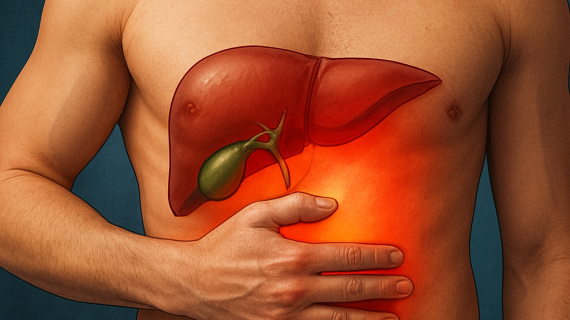
Gallbladder surgery is a common procedure performed to address various gallbladder-related issues, such as gallstones or inflammation. In Dhaka, the increasing prevalence of gallbladder diseases has led to a rise in surgical interventions. As a bustling metropolis with a growing healthcare infrastructure, Dhaka offers a range of options for patients seeking treatment.
Understanding the nuances of gallbladder surgery, including the types of procedures available and their implications, is crucial for anyone facing this medical decision. In recent years, advancements in surgical techniques have transformed the landscape of gallbladder surgery.
This article aims to provide a comprehensive overview of gallbladder surgery in Dhaka, focusing on the differences between laparoscopic and open surgery, their respective advantages and disadvantages, and what patients can expect in terms of recovery and costs.
Key Takeaways
- Laparoscopic gallbladder surgery in Dhaka offers faster recovery and shorter hospital stays compared to open surgery.
- Open gallbladder surgery has more disadvantages, including longer recovery time and increased risk of complications.
- The cost of laparoscopic surgery is generally higher but justified by better outcomes and quicker return to daily activities.
- Both procedures carry risks, but laparoscopic surgery tends to have fewer complications and higher patient satisfaction.
- Experts recommend minimally invasive laparoscopic surgery as the preferred option for gallbladder removal in Dhaka.
Understanding Laparoscopic and Open Gallbladder Surgery
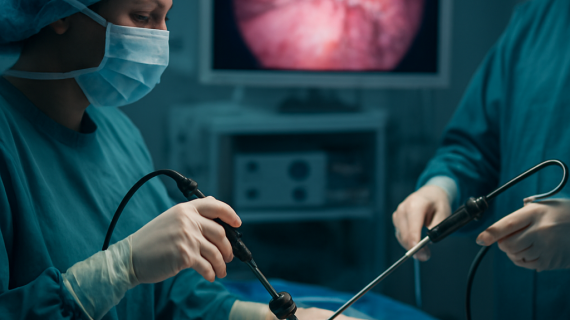
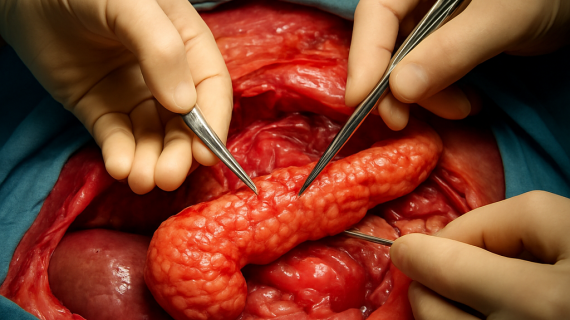
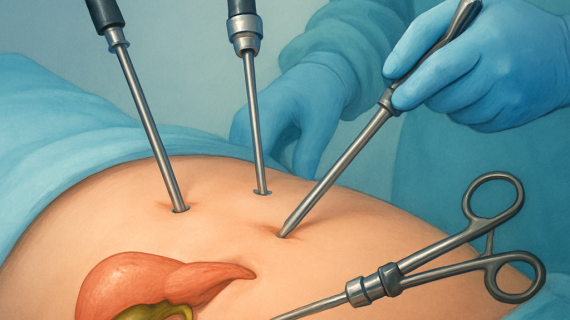
Laparoscopic gallbladder surgery, often referred to as keyhole surgery, involves making small incisions in the abdomen through which a camera and specialized instruments are inserted. This technique allows surgeons to remove the gallbladder with minimal disruption to surrounding tissues. On the other hand, open gallbladder surgery requires a larger incision in the abdomen, providing direct access to the gallbladder but resulting in a more invasive procedure.
The choice between laparoscopic and open surgery often depends on various factors, including the patient’s overall health, the complexity of the gallbladder condition, and the surgeon’s expertise. While laparoscopic surgery is generally preferred due to its minimally invasive nature, there are instances where open surgery may be necessary. Understanding these differences is essential for patients as they navigate their treatment options.
Advantages of Laparoscopic Gallbladder Surgery

One of the most significant advantages of laparoscopic gallbladder surgery is the reduced recovery time. Patients typically experience less postoperative pain and can return to their normal activities much sooner than those who undergo open surgery. The smaller incisions also mean less scarring, which is an appealing factor for many individuals concerned about their appearance post-surgery.
Additionally, laparoscopic surgery often results in a shorter hospital stay. Many patients are able to go home within a day or two after the procedure, allowing them to recover in the comfort of their own environment. This not only enhances patient satisfaction but also reduces healthcare costs associated with prolonged hospital stays.
The minimally invasive nature of laparoscopic surgery has made it a popular choice among both patients and surgeons in Dhaka.
Disadvantages of Open Gallbladder Surgery
While open gallbladder surgery has its place in certain medical scenarios, it comes with several disadvantages that can impact patient outcomes. One of the primary drawbacks is the longer recovery time associated with this procedure. Patients often face more significant pain and discomfort due to the larger incision, which can lead to extended periods of inactivity and a slower return to daily routines.
Moreover, open surgery typically requires a longer hospital stay, which can be inconvenient and costly for patients. The increased risk of complications, such as infections or bleeding, is another concern that patients must consider when weighing their surgical options. Understanding these disadvantages is crucial for anyone contemplating gallbladder surgery in Dhaka.
Comparison of Recovery Time and Hospital Stay
| Metric | Laparoscopic Gallbladder Surgery | Open Gallbladder Surgery | Comments |
|---|---|---|---|
| Average Hospital Stay | 1-2 days | 5-7 days | Minimally invasive approach reduces hospitalization time |
| Postoperative Pain | Minimal | Moderate to Severe | Laparoscopic surgery causes less tissue trauma |
| Recovery Time | 1-2 weeks | 4-6 weeks | Faster return to normal activities with laparoscopy |
| Incision Size | 4 small incisions (0.5-1 cm each) | Single large incision (10-15 cm) | Smaller scars with laparoscopic surgery |
| Risk of Infection | Lower | Higher | Less exposure reduces infection risk in laparoscopy |
| Cost | Moderate | Lower to Moderate | Initial cost higher but overall cost may be lower due to shorter stay |
| Complication Rate | Low | Moderate | Minimally invasive technique reduces complications |
| Suitability for Patients | Most patients | Patients with complicated cases or contraindications to laparoscopy | Laparoscopy preferred unless contraindicated |
When comparing recovery times between laparoscopic and open gallbladder surgeries, the differences are striking. Patients who undergo laparoscopic procedures often find themselves back on their feet within a week or two, while those who opt for open surgery may require several weeks to fully recover. This disparity can significantly affect a patient’s quality of life during the recovery period.
In terms of hospital stay, laparoscopic patients typically spend just one or two nights in the hospital, whereas open surgery patients may find themselves hospitalized for three to five days or longer. This extended stay not only impacts patient comfort but also adds financial strain due to increased medical bills. For many individuals in Dhaka, these factors play a crucial role in their decision-making process regarding gallbladder surgery.
Cost Comparison of Laparoscopic and Open Gallbladder Surgery

Cost is an important consideration for many patients when evaluating surgical options. Generally speaking, laparoscopic gallbladder surgery tends to be more expensive upfront due to the advanced technology and specialized training required for surgeons. However, when factoring in the shorter hospital stay and quicker recovery time, many patients find that laparoscopic surgery can be more cost-effective in the long run.
Open gallbladder surgery may appear less expensive initially; however, the longer hospital stay and potential for complications can lead to higher overall costs. Patients must weigh these financial implications carefully when discussing their options with healthcare providers in Dhaka. Understanding the full scope of costs associated with each procedure can help patients make informed decisions that align with their financial situations.
Availability of Laparoscopic Surgery in Dhaka
As healthcare continues to evolve in Dhaka, laparoscopic gallbladder surgery has become increasingly available across various medical facilities. Many hospitals and clinics now offer this minimally invasive option as part of their surgical services. The growing number of trained surgeons proficient in laparoscopic techniques has made it easier for patients to access this advanced form of treatment.
Patients seeking laparoscopic gallbladder surgery should research local hospitals and consult with healthcare professionals to find facilities that specialize in this procedure. With numerous options available, individuals can choose a provider that meets their needs while ensuring they receive high-quality care throughout their surgical journey.
Risks and Complications Associated with Both Procedures
Like any surgical intervention, both laparoscopic and open gallbladder surgeries carry inherent risks and potential complications. For laparoscopic procedures, risks may include injury to surrounding organs, bleeding, or infection at the incision sites. While these complications are relatively rare, they can occur and should be discussed with your surgeon prior to the procedure.
Additionally, complications such as blood clots or prolonged recovery times can arise from this more invasive approach. Understanding these risks is essential for patients as they prepare for gallbladder surgery in Dhaka.
Patient Satisfaction and Quality of Life After Surgery
Patient satisfaction is a critical aspect of evaluating surgical outcomes. Many individuals who undergo laparoscopic gallbladder surgery report high levels of satisfaction due to the reduced pain, quicker recovery times, and minimal scarring associated with this technique. The ability to return to normal activities sooner often translates into an improved quality of life post-surgery.
Conversely, patients who undergo open gallbladder surgery may experience more prolonged discomfort and limitations during their recovery period. This can lead to frustration and dissatisfaction with their surgical experience. As such, understanding the potential impact on quality of life is vital for anyone considering gallbladder surgery in Dhaka.
Expert Opinion and Recommendations for Gallbladder Surgery in Dhaka
Experts in the field of gastroenterology and surgery often recommend laparoscopic gallbladder surgery as the preferred option for most patients facing gallbladder issues. The benefits associated with this minimally invasive technique—such as reduced recovery time and lower complication rates—make it an attractive choice for both patients and healthcare providers. When seeking recommendations for gallbladder surgery in Dhaka, it is essential to consult with qualified healthcare professionals who can provide personalized advice based on individual health conditions and needs.
Engaging with experienced surgeons who specialize in laparoscopic techniques can help ensure that you receive optimal care throughout your surgical journey.
Why Minimally Invasive is Better for Gallbladder Surgery in Dhaka
In conclusion, laparoscopic gallbladder surgery represents a significant advancement in surgical techniques that offers numerous benefits over traditional open surgery. With shorter recovery times, reduced hospital stays, and lower complication rates, it is no wonder that many patients in Dhaka are opting for this minimally invasive approach. As you consider your options for gallbladder surgery, it is essential to weigh the advantages and disadvantages carefully while consulting with qualified healthcare professionals.
By choosing laparoscopic surgery when appropriate, you can enhance your chances of a smoother recovery and improved quality of life post-surgery. Ultimately, making informed decisions about your health will empower you on your journey toward wellness in Dhaka’s evolving healthcare landscape.
In the ongoing debate between laparoscopic and open gallbladder surgery in Dhaka, the advantages of minimally invasive techniques are becoming increasingly clear. For those interested in exploring more about effective communication in medical writing, a related article on crafting captivating headlines can be found here. This resource provides insights that can enhance the presentation of surgical options and patient education, ultimately leading to better informed decisions regarding surgical procedures.
FAQs
What is the difference between laparoscopic and open gallbladder surgery?
Laparoscopic gallbladder surgery is a minimally invasive procedure where small incisions and a camera are used to remove the gallbladder. Open gallbladder surgery involves a larger incision in the abdomen to access and remove the gallbladder directly.
Why is laparoscopic gallbladder surgery considered better than open surgery?
Laparoscopic surgery typically results in less pain, smaller scars, shorter hospital stays, quicker recovery times, and lower risk of infection compared to open surgery.
Is laparoscopic gallbladder surgery widely available in Dhaka?
Yes, many hospitals and specialized surgical centers in Dhaka offer laparoscopic gallbladder surgery due to its advantages and growing demand for minimally invasive procedures.
Are there any risks associated with laparoscopic gallbladder surgery?
While generally safe, laparoscopic surgery carries risks such as bleeding, infection, injury to surrounding organs, and complications from anesthesia, similar to any surgical procedure.
Who is a candidate for laparoscopic gallbladder surgery?
Patients with gallstones, gallbladder inflammation, or other gallbladder-related issues are typically candidates, but suitability depends on individual health conditions and surgeon evaluation.
How long does recovery take after laparoscopic gallbladder surgery?
Most patients recover within 1 to 2 weeks, resuming normal activities sooner than with open surgery, which may require 4 to 6 weeks for full recovery.
Can all gallbladder problems be treated with laparoscopic surgery?
Not always; some complex cases or severe inflammation may require conversion to open surgery for safety and effectiveness.
Is laparoscopic gallbladder surgery more expensive than open surgery in Dhaka?
Costs vary by hospital and surgeon, but laparoscopic surgery may be slightly more expensive due to specialized equipment; however, shorter hospital stays can reduce overall expenses.
What should patients expect during laparoscopic gallbladder surgery?
Patients are placed under general anesthesia, and the surgeon makes small incisions to insert a camera and instruments to remove the gallbladder, usually completed within 1 to 2 hours.
How can patients prepare for laparoscopic gallbladder surgery?
Preparation includes preoperative evaluations, fasting before surgery, informing the surgeon about medications, and arranging for post-surgery care and transportation.